Laser glass cutting machine
Laser glass cutting machines enhance efficiency and accuracy in industries like automotive, electronics, and construction by utilizing high-energy laser beams for controlled glass cutting.
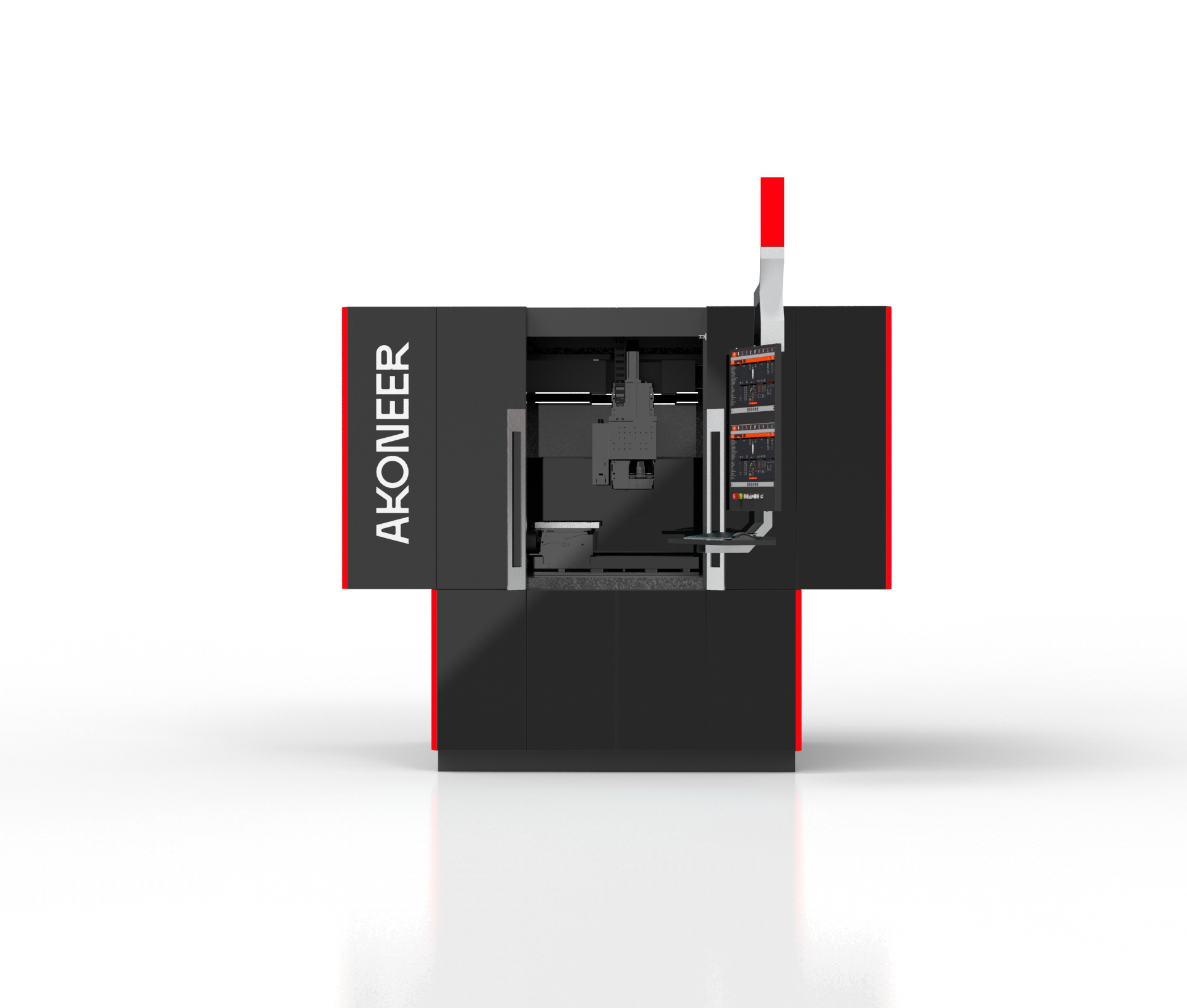
The laser glass cutting machine stands at the forefront of modern industrial technology, offering unmatched precision and efficiency across sectors such as automotive manufacturing, electronics, and construction. As demand for high-quality glass products rises, understanding the functionality and benefits of these machines is crucial.
How laser glass cutting machines work
At the core of laser glass cutting technology is the laser beam—a concentrated stream of light delivering high energy to a focused point. The laser cuts through glass by heating it to a temperature that causes it to fracture along a predetermined line. This process involves directing a laser beam onto the glass surface, creating a small, intense heat-affected zone. The heat induces thermal stress, causing the glass to expand and crack in a controlled manner. This method contrasts with traditional mechanical cutting, which often results in microcracks and requires additional finishing processes.
Precision is enabled by computer numerical control (CNC) systems, allowing intricate patterns to be cut with minimal human intervention. The CNC system controls the laser's movement, ensuring exacting precision. This automation enhances accuracy and significantly speeds up production, facilitating high-volume manufacturing with consistent quality. Laser machines typically operate with a power range of 2–6 kW and achieve a kerf of approximately 0.1 mm.
Advantages of using laser technology for glass cutting
One primary advantage of laser glass cutting is its precision. Laser machines can cut with a tolerance of just a few micrometers, ideal for applications requiring accuracy, such as electronics, where components must fit tight design parameters. The process produces clean edges, reducing the need for additional finishing, translating into cost savings and reduced labor. The non-contact nature of laser cutting minimizes equipment wear and tear, extending machine lifespan and ensuring consistent performance.
Additionally, laser glass cutting machines offer versatility, cutting through various types of glass, including tempered, laminated, and coated glass, without compromising material integrity. This adaptability makes laser cutting an attractive option for manufacturers dealing with diverse glass products. For instance, Corning Incorporated uses laser cutting technology to manufacture Gorilla Glass for smartphones, achieving production speeds of up to 30 m min⁻¹ while maintaining precision.
Applications across different industries
The applications of laser glass cutting machines are vast and varied. In the automotive industry, they create intricate glass components for vehicle windows and dashboards, ensuring perfect component fit and enhancing safety and aesthetics. In the electronics sector, laser cutting manufactures glass screens and panels for smartphones, tablets, and other devices, meeting stringent size and clarity requirements for high-performance electronics. In construction, laser cutting machines produce custom glass panels for architectural projects, allowing for innovative designs that enhance both functionality and aesthetics.
Economic and environmental impact
Laser glass cutting machines improve efficiency and precision, positively impacting the economy and environment. By reducing the need for additional finishing processes, these machines lower production costs and decrease waste. The precision of laser cutting minimizes material loss, ensuring manufacturers maximize raw material use.
Furthermore, laser cutting is cleaner than traditional methods, producing less dust and debris and reducing the need for extensive cleanup. This reduction in waste contributes to a more sustainable production process, aligning with the growing demand for environmentally responsible manufacturing practices.
Future developments and innovations
The technology behind laser glass cutting machines continues to evolve, driven by advancements in laser technology and automation. Researchers are exploring new laser sources and methods to further enhance cutting speed and precision. One area of development is integrating artificial intelligence and machine learning to optimize cutting processes and improve efficiency.
Another promising innovation is developing hybrid machines that combine laser cutting with other technologies, such as waterjet cutting, expanding the range of materials and thicknesses that can be processed. These advancements promise to push the boundaries of what is possible with laser glass cutting, opening up new opportunities for innovation across various industries.
The laser glass cutting machine represents a significant leap forward in manufacturing technology. Its precision, efficiency, and versatility make it a critical tool for industries worldwide. As technology advances, laser glass cutting machines are poised to play an increasingly important role in shaping the future of manufacturing, offering solutions that meet the demands of a rapidly evolving market.