Laser fine cutting
Laser fine cutting technology is crucial for achieving efficient, high-quality manufacturing across various industries.
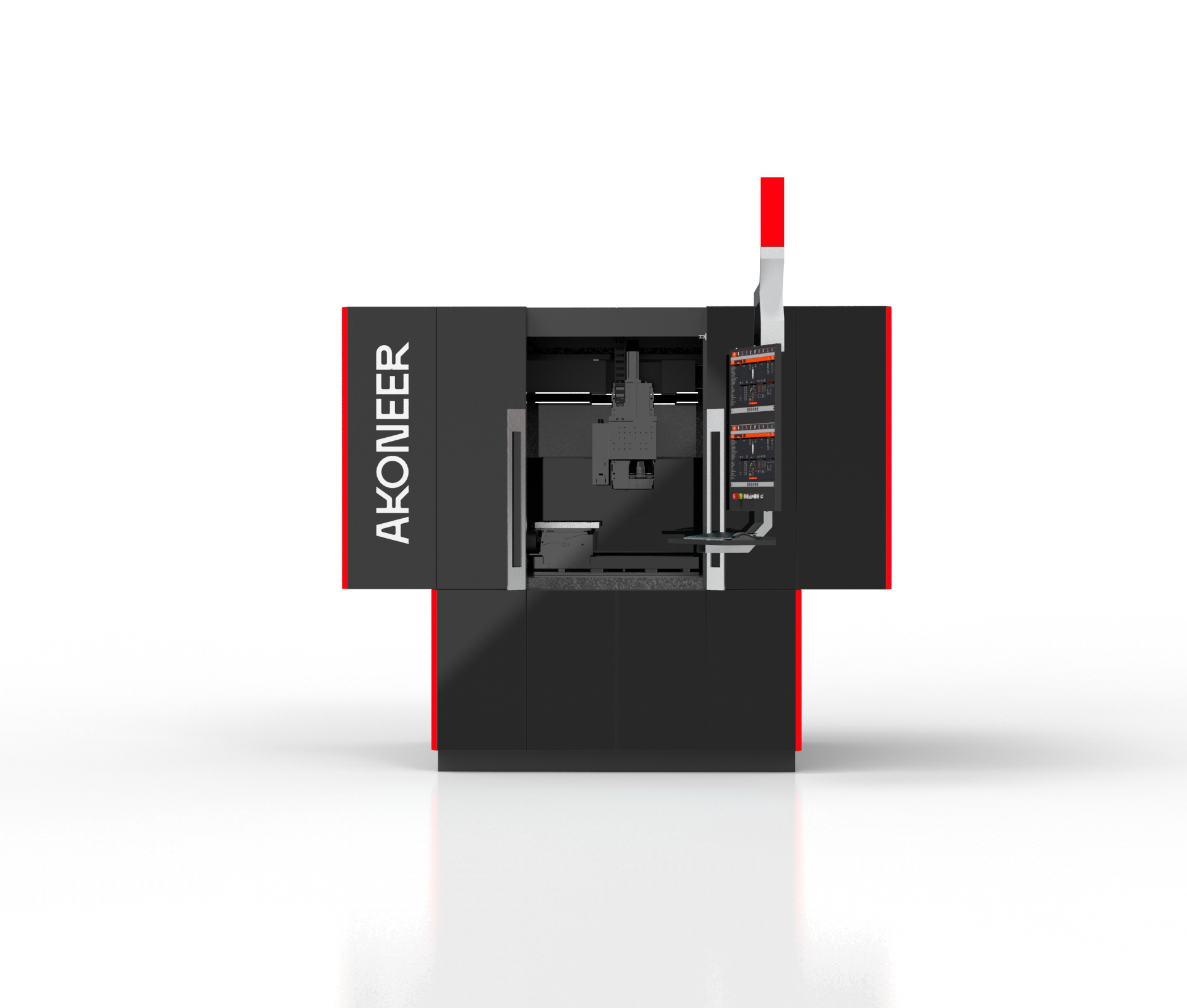
In recent years, the demand for precise and efficient cutting techniques has surged across various industries. Consequently, laser fine cutting has become a pivotal technology in the manufacturing sector. This article explores the significance of laser fine cutting, its applications, advantages, and future potential in modern manufacturing.
Understanding laser fine cutting technology
Laser fine cutting utilizes a focused laser beam to cut materials with unparalleled precision. The technology concentrates laser energy on a small area, causing the material to melt, burn, or vaporize along the beam's path. This method's accuracy allows manufacturers to achieve intricate cuts with minimal material waste.
The laser fine cutting process involves several components: a laser resonator to generate the laser beam, a cutting head to focus and direct the beam, and a motion system to move the material or laser head during cutting. The lasers commonly used include CO2, fiber, and Nd:YAG, each suited for different materials and requirements. For instance, fiber lasers, often with powers ranging from 2 to 6 kW, are known for their efficiency and ability to cut with a kerf as narrow as 0.1 mm.
Applications across various industries
Laser fine cutting is extensively utilized in industries such as aerospace, automotive, electronics, and medical device manufacturing. In aerospace, its precision is vital for producing components with tight tolerances crucial for safety and performance. Automotive manufacturers employ laser fine cutting to craft complex parts requiring high accuracy and repeatability.
In electronics, the technology enables intricate pattern cutting without damaging delicate components, crucial for circuit boards and semiconductors. Similarly, in the medical field, laser fine cutting is used to manufacture surgical instruments and implants that meet exacting specifications. For example, Siemens has reported improved production efficiency by implementing laser cutting technology, achieving repeatability within ±0.02 mm.
Advantages of laser fine cutting
One primary advantage of laser fine cutting is its precision. The technology allows for cuts often within micrometers, ideal for high-quality finishes and intricate designs. This precision minimizes the need for secondary processing, saving time and resources.
Additionally, laser cutting is typically faster than traditional methods, increasing production rates without compromising quality. The non-contact nature of laser fine cutting reduces mechanical stress on materials, minimizing deformation risk. The technology's versatility is evident in its ability to handle materials like metals, plastics, ceramics, and composites.
Laser fine cutting's flexibility makes it attractive for manufacturers working with diverse materials and complex designs. Moreover, its high degree of automation can reduce labor costs and enhance production consistency. For instance, cutting speeds can reach up to 30 m min⁻¹, significantly boosting throughput.
Challenges and considerations
Despite its benefits, laser fine cutting poses challenges. The initial investment in laser cutting equipment can be substantial, potentially deterring smaller manufacturers. Operators also require specialized training to use the technology safely and effectively.
Material properties influence the cutting outcome. Reflective materials like aluminum can challenge certain lasers, necessitating parameter adjustments or specialized equipment. Additionally, cutting thick materials may require multiple laser passes, reducing efficiency.
Future prospects and innovations
The future of laser fine cutting is promising, with ongoing advancements aimed at enhancing capabilities and efficiency. Developments in laser sources, such as higher power and shorter wavelength lasers, are set to improve cutting speed and precision. Innovations in beam delivery systems and motion control are expected to broaden the range of applications and materials effectively cut.
Moreover, integrating laser fine cutting with technologies like additive manufacturing and artificial intelligence promises new design and production possibilities. Such synergies could lead to more complex and customized products, solidifying laser fine cutting as a cornerstone of modern manufacturing.
In summary, laser fine cutting has established itself as a crucial manufacturing technology. Its precision, speed, and versatility make it indispensable for industries seeking to produce high-quality, intricate products. As the technology evolves, it will undoubtedly play a more significant role in shaping the future of manufacturing.