Laser etching tools
Laser etching tools are essential in various industries for their ability to create detailed designs and markings on diverse materials.
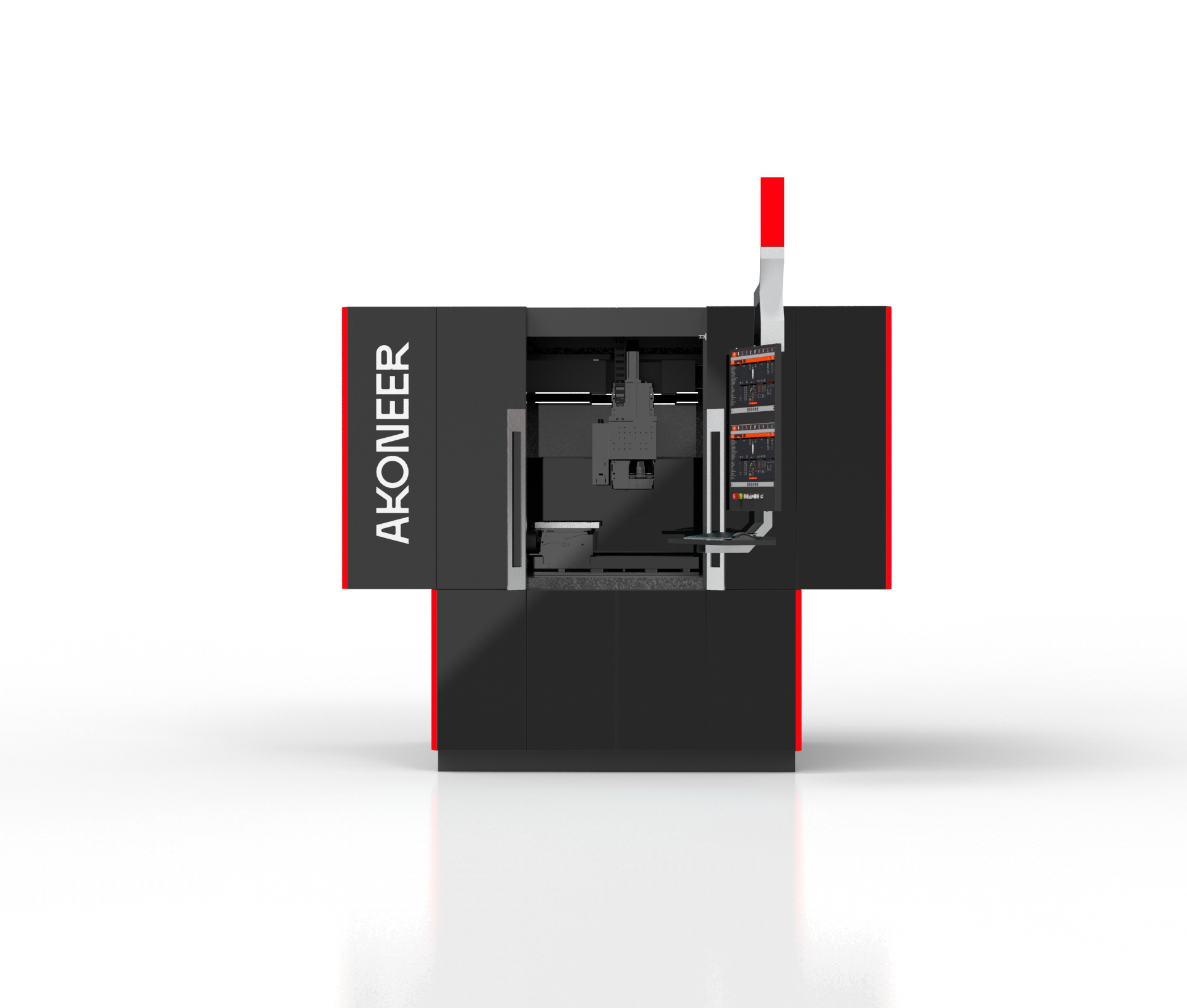
Laser etching tools are indispensable in various industries due to their precision, efficiency, and versatility. These tools use a focused beam of light to remove material from an object's surface, creating detailed designs, text, or patterns. Understanding the mechanisms and benefits of laser etching helps industries optimize operations and enhance product quality.
Understanding laser etching
Laser etching is a subset of laser marking, which also includes engraving and annealing. Etching specifically involves the laser removing a small layer of material from the surface, leaving a slightly raised mark. This process uses a high-energy laser beam that vaporizes the material, creating a contrast with the untouched surface. With precision up to ±0.02 mm, laser etching allows for highly detailed images and text, ideal for intricate designs and small-scale applications.
The technology behind laser etching includes different types of lasers like CO2, fiber, and Nd:YAG lasers. Each type has specific strengths tailored to different materials. CO2 lasers, for instance, are effective for non-metallic materials such as wood and acrylic, while fiber lasers excel with metals like steel and aluminum. CO2 lasers typically offer power levels between 2–6 kW. Understanding these differences is crucial for selecting the right tool for a specific application.
Applications across industries
Laser etching tools find use in a wide range of industries due to their versatility. In the automotive sector, they mark engine parts and other components with serial numbers and barcodes, ensuring traceability and compliance. The electronics industry uses laser etching to mark circuit boards and components, providing critical information without damaging materials.
The jewelry industry benefits from laser etching's ability to create intricate designs on metals and gemstones, allowing for unique and personalized pieces. In the medical field, these tools mark surgical instruments and implants, providing essential information for identification and ensuring patient safety. A notable example is Siemens, which uses laser etching to improve traceability and reduce production errors, enhancing efficiency by 20%.
Advantages of laser etching
One primary advantage of laser etching is its precision. The focused laser beam allows for extremely fine designs and text, particularly important in industries like electronics and jewelry where detail is paramount. This precision is coupled with high repeatability, ensuring consistent results across large production runs.
Another significant advantage is the permanency of laser etching. Unlike ink-based methods, laser etching is resistant to wear and environmental factors, ensuring that marks remain clear and legible over time. This durability is crucial for applications requiring long-term traceability, such as in the automotive and aerospace industries.
Laser etching is also a non-contact process, meaning it does not exert physical force on the material being etched. This reduces the risk of damage to delicate or thin materials, making it suitable for a wide range of applications. Additionally, laser etching is a clean process, producing minimal waste and requiring no additional materials like inks or chemicals.
Selecting the right laser etching tool
Choosing the right laser etching tool involves considering factors such as the material type, desired speed, and detail level required. Different lasers suit specific materials: CO2 lasers are ideal for organic materials, while fiber lasers are better for metals. Nd:YAG lasers offer versatility, working with both metals and some plastics.
The speed of the etching process is another consideration. High-speed etching, up to 30 m min⁻¹, is essential for large-scale production environments, where time efficiency directly impacts profitability. However, increased speed must not compromise etching quality, especially where precision is critical.
Detail-level requirements also influence tool selection. High-resolution etching capabilities are necessary for applications like microelectronics and intricate jewelry designs. Understanding these factors and their relation to specific industrial needs is crucial in selecting the optimal laser etching tool.
Future trends in laser etching
As technology advances, the capabilities of laser etching tools continue to expand. Innovations in laser technology are leading to faster, more efficient, and more precise tools. Developments in software enhance the ability to create complex designs, while improvements in laser hardware increase the range of materials that can be etched.
The integration of laser etching with automation and robotics is an emerging trend, allowing fully automated production lines that increase efficiency and reduce human error. As industries demand higher precision and greater efficiency, the role of laser etching tools is set to grow more prominent.
In summary, laser etching tools are a vital component in modern manufacturing and design, offering precision, durability, and versatility. With continued advancements in laser technology, these tools will remain at the forefront of industrial innovation, shaping the future of manufacturing across diverse sectors.