Laser etching titanium
Laser etching titanium combines precision and durability, making it essential for diverse industries like aerospace, medical, and jewelry.
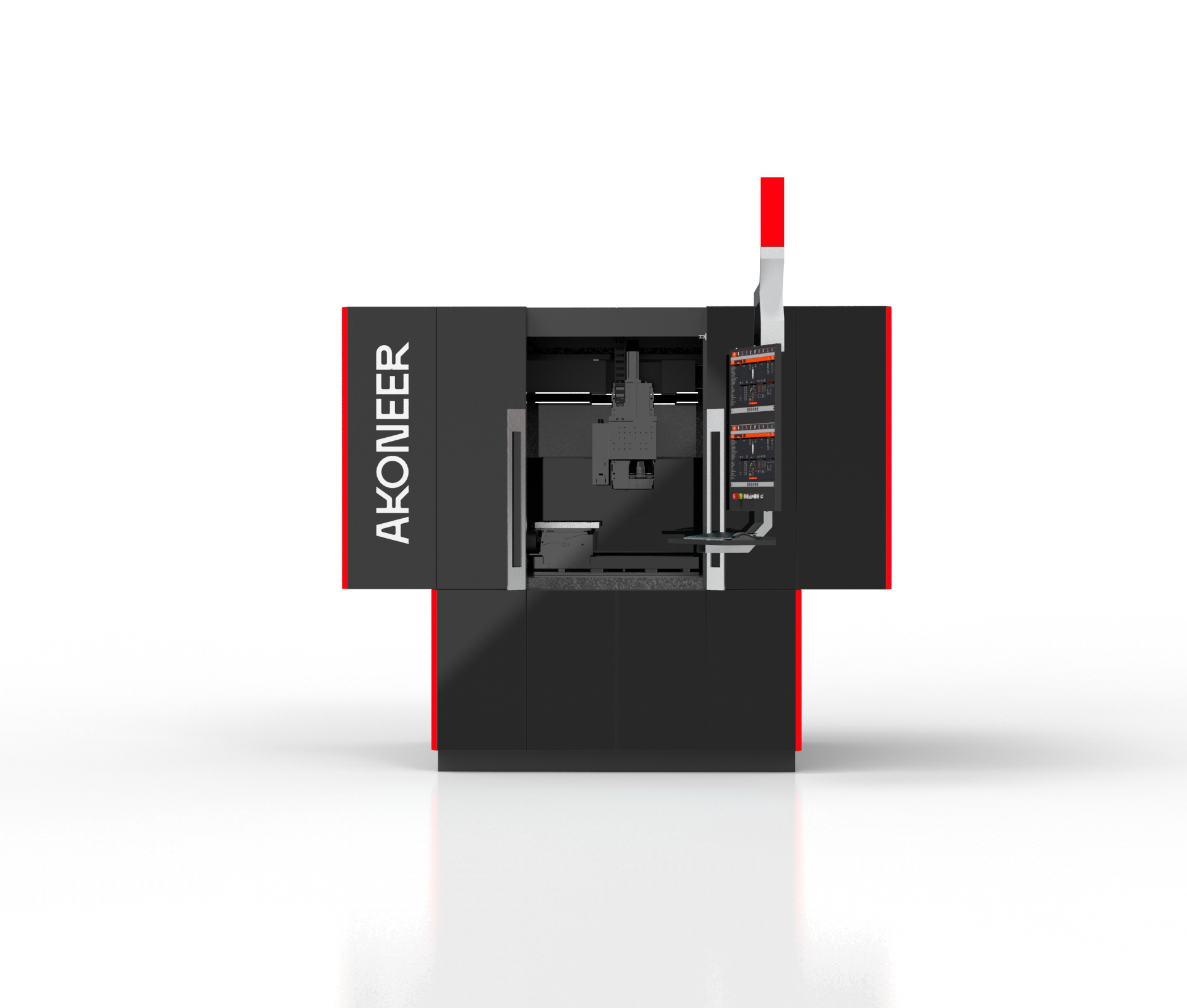
Laser etching titanium is a process that has garnered significant attention due to its precision, durability, and versatility. As a material, titanium is renowned for its strength, lightweight nature, and resistance to corrosion. These properties, combined with advanced laser technology, make laser etching a preferred method for marking and engraving titanium across various industries. This article explores the process, benefits, applications, and considerations involved in laser etching titanium.
Understanding the process of laser etching titanium
Laser etching involves using a high-powered laser beam to remove material from the surface of titanium, creating precise and permanent markings. Typically, fiber lasers with power ranges between 20–60 watts are employed for this purpose. The process begins with directing the laser beam onto the titanium surface, rapidly heating and vaporizing the metal. This controlled removal creates a contrast between the etched design and the surrounding surface, resulting in clear and readable markings.
One key advantage of laser etching is its non-contact nature. Unlike traditional engraving methods requiring physical tools, laser etching minimizes wear, thereby extending equipment lifespan. The precision of laser technology allows for intricate designs and complex patterns, offering flexibility for various applications with repeatability of ±0.02 mm.
Benefits of laser etching on titanium
Laser etching titanium offers a range of benefits, making it attractive for many industries. The process is highly precise, allowing for detailed and accurate markings vital in sectors such as aerospace and medical, where exact specifications are crucial. Consistent results ensure each etched piece meets required standards.
The durability of laser-etched markings is another significant advantage. Resistant to wear and environmental factors like corrosion and high temperatures, these markings suit harsh conditions. This durability ensures vital information, such as serial numbers or logos, remains legible throughout the product's lifespan. Moreover, laser etching is a relatively fast process, enabling high production speeds without compromising quality. For example, a typical laser etching machine can achieve speeds up to 7 meters per minute, reducing production time and costs.
Applications of laser etching titanium
The applications of laser etching titanium are vast and varied, spanning multiple industries. In the aerospace sector, laser etching marks components with essential information, such as part numbers and compliance codes, critical for traceability and maintenance purposes. In the medical field, titanium's biocompatibility makes it ideal for implants and surgical instruments, with laser etching marking these devices with important details like manufacturer information and batch numbers.
The jewelry industry also benefits from laser etching titanium. Designers use laser technology to create intricate patterns and personalized engravings on titanium jewelry, appealing to consumers seeking unique and customized pieces. The precision and aesthetic quality of laser etching enable designers to achieve detailed and artistic results.
Considerations for laser etching titanium
While laser etching titanium offers numerous benefits, several considerations are crucial. The choice of laser is critical, as different types, such as fiber or CO2 lasers, may produce varying results on titanium surfaces. Factors like laser power, speed, and wavelength must be carefully calibrated to achieve desired effects.
Additionally, the surface finish of titanium can influence the etching quality. A polished surface may result in clearer and more defined markings compared to a rough or oxidized surface. Proper surface preparation and cleaning are essential to ensure optimal results. Safety precautions are also important when working with lasers. Operators should be trained to handle laser equipment safely, and appropriate protective measures should be in place to prevent exposure to laser radiation.
Future trends in laser etching technology
As technology advances, the future of laser etching titanium looks promising. Ongoing research and development focus on improving laser efficiency, precision, and speed. Innovations such as ultrafast lasers and adaptive optics are being explored to enhance capabilities. The integration of artificial intelligence and machine learning is anticipated to play a role in optimizing processes, enabling automated adjustments and real-time monitoring for increased efficiency and accuracy.
Furthermore, environmental considerations are driving the development of more sustainable laser technologies. Efforts are being made to reduce energy consumption and minimize the environmental impact of laser etching processes, aligning with global sustainability goals.
In summary, laser etching titanium is a highly effective and versatile method for marking and engraving titanium across various industries. Its precision, durability, and efficiency make it a preferred choice for applications ranging from aerospace to jewelry. As advancements in technology continue, the potential for laser etching titanium is expected to grow, offering even greater possibilities for innovation and application.