Laser etching system
Laser etching systems offer efficient, versatile marking solutions across industries, enhancing manufacturing, art, and technology with permanent, detailed designs on various materials.
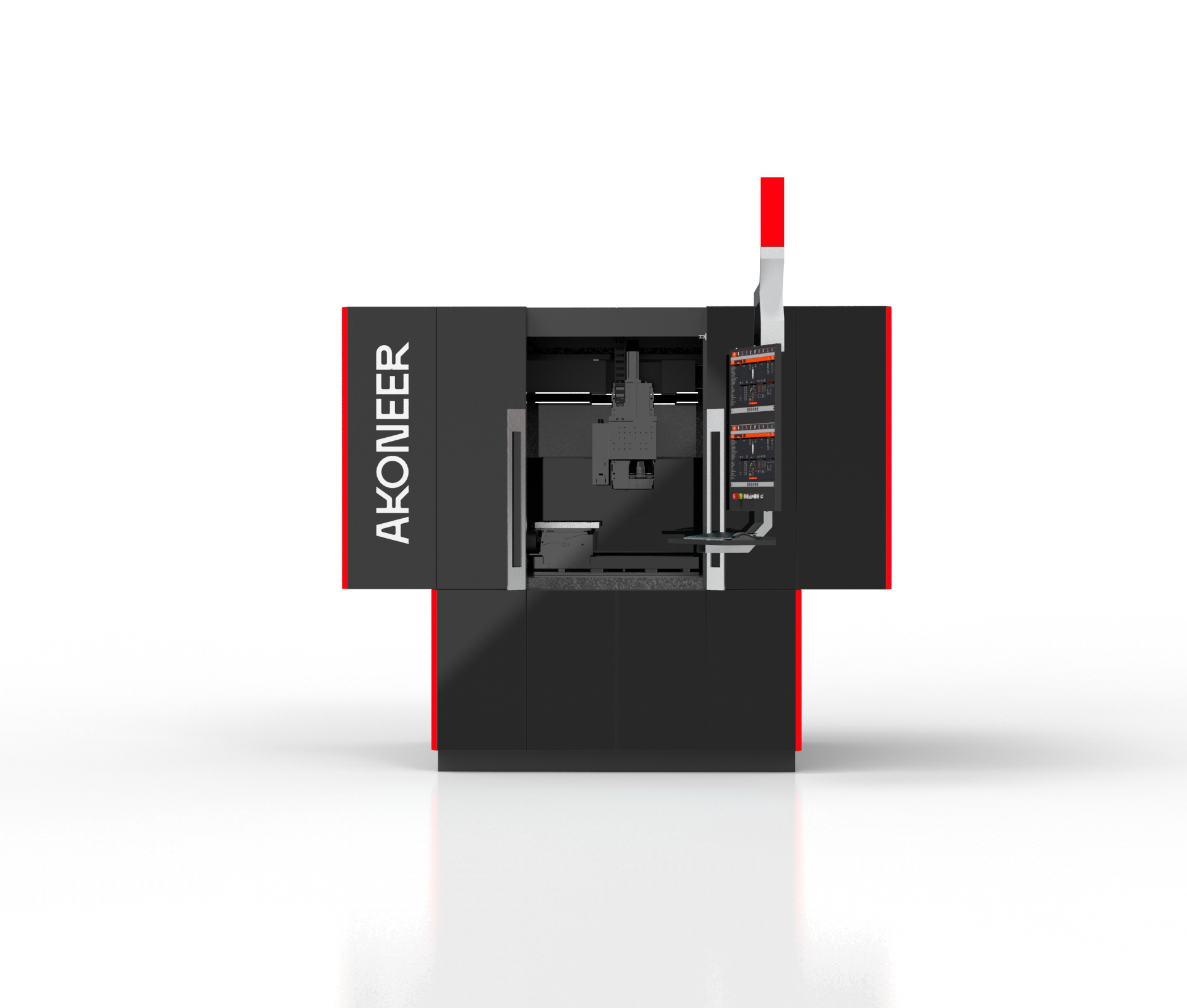
The laser etching system represents a significant advancement in manufacturing, art, and various industries. As a method of permanent marking, laser etching stands out for its precision, efficiency, and versatility. This article delves into the mechanics, applications, benefits, and future prospects of laser etching systems.
Understanding the mechanics of laser etching
Laser etching is a subset of laser marking that employs a beam of concentrated light to alter the surface of a material, creating a permanent mark. By directing a high-powered laser beam onto a material's surface, it melts, vaporizes, or cracks the material. The laser's intensity, speed, and focus are controlled to achieve the desired depth and contrast, allowing for detailed designs on a wide range of materials, including metals, plastics, glass, and ceramics.
The core component of a laser etching system is the laser source, which can be a fiber laser, CO2 laser, or solid-state laser, each suited to different materials and applications. The choice of laser type affects the depth and quality of the etching. A galvanometer, using mirrors to direct the laser beam, ensures intricate designs are rendered accurately. Computerized controls allow users to input designs digitally, making the process efficient and customizable. Typical systems operate with powers ranging from 20 to 100 watts, achieving repeatability as fine as ±0.02 mm.
Diverse applications across industries
Laser etching systems have become indispensable tools across numerous industries. In manufacturing, they are used for part identification, serial numbers, and barcodes, ensuring traceability and compliance with industry standards. The electronics industry utilizes laser etching for marking components with logos and specifications without damaging delicate parts.
In art and design, laser etching offers creators the ability to bring complex patterns to life on various substrates. Jewelers use laser etching to inscribe intricate designs and personal messages on precious metals, enhancing the value and uniqueness of their products. The medical industry benefits from laser etching in the production of surgical instruments and implants, where precision and sterility are paramount. For instance, Medtronic employs laser etching to mark surgical instruments, improving traceability and ensuring compliance with stringent medical standards.
Advantages of using laser etching systems
The advantages of laser etching are numerous and compelling. Its non-contact nature means the laser beam does not physically touch the material, minimizing wear and tear on equipment and reducing the risk of material distortion. This quality makes laser etching ideal for delicate and fragile substrates.
Laser etching is highly precise, capable of producing fine details and high-resolution marks that are consistent and repeatable. This precision is crucial in sectors where accuracy is paramount, such as aerospace and electronics. Furthermore, laser etching is known for its speed and efficiency. Once the design is programmed into the system, the etching process is rapid, with cutting speeds reaching up to 30 m/min, allowing for high throughput and reduced production times.
Additionally, laser etching is environmentally friendly compared to traditional marking methods that use inks or chemicals. It does not produce waste or require consumables, making it a sustainable choice for modern industries.
Challenges and considerations
Despite its many advantages, laser etching systems come with certain challenges. The initial investment in laser technology can be significant, as high-quality laser systems are costly. However, the long-term benefits in terms of durability and reduced operational costs often justify the expenditure.
Another consideration is the potential for heat-affected zones, where the laser’s heat alters the material properties beyond the intended etching area. This issue can be mitigated by using the correct laser settings and cooling techniques, but it requires expertise and experience.
Moreover, different materials react differently to laser etching, necessitating careful selection of laser type and parameters. For instance, organic materials may burn, while metals might require specific wavelengths for optimal etching. Understanding these nuances is essential for achieving the best results.
The future prospects of laser etching
The future of laser etching systems is promising, with ongoing advancements enhancing their capabilities and expanding their applications. Innovations in laser technology are leading to more compact and cost-effective systems, making them accessible to smaller businesses and studios. Improved software integration and automation are streamlining operations, allowing for even greater customization and efficiency.
As industries continue to demand high precision and sustainable practices, laser etching is poised to play a critical role. Researchers are exploring new laser sources and techniques to etch increasingly complex materials and structures, broadening the scope of what can be achieved with this technology.
The laser etching system is a versatile and powerful tool that bridges the gap between traditional craftsmanship and modern technology. Its ability to deliver precise, permanent marks on a myriad of materials makes it an invaluable asset across diverse fields. As technology evolves, laser etching will undoubtedly continue to shape the future of manufacturing, design, and beyond.