Laser etching for metal
Laser etching efficiently marks and alters metal surfaces, offering versatility and reliability across various industries.
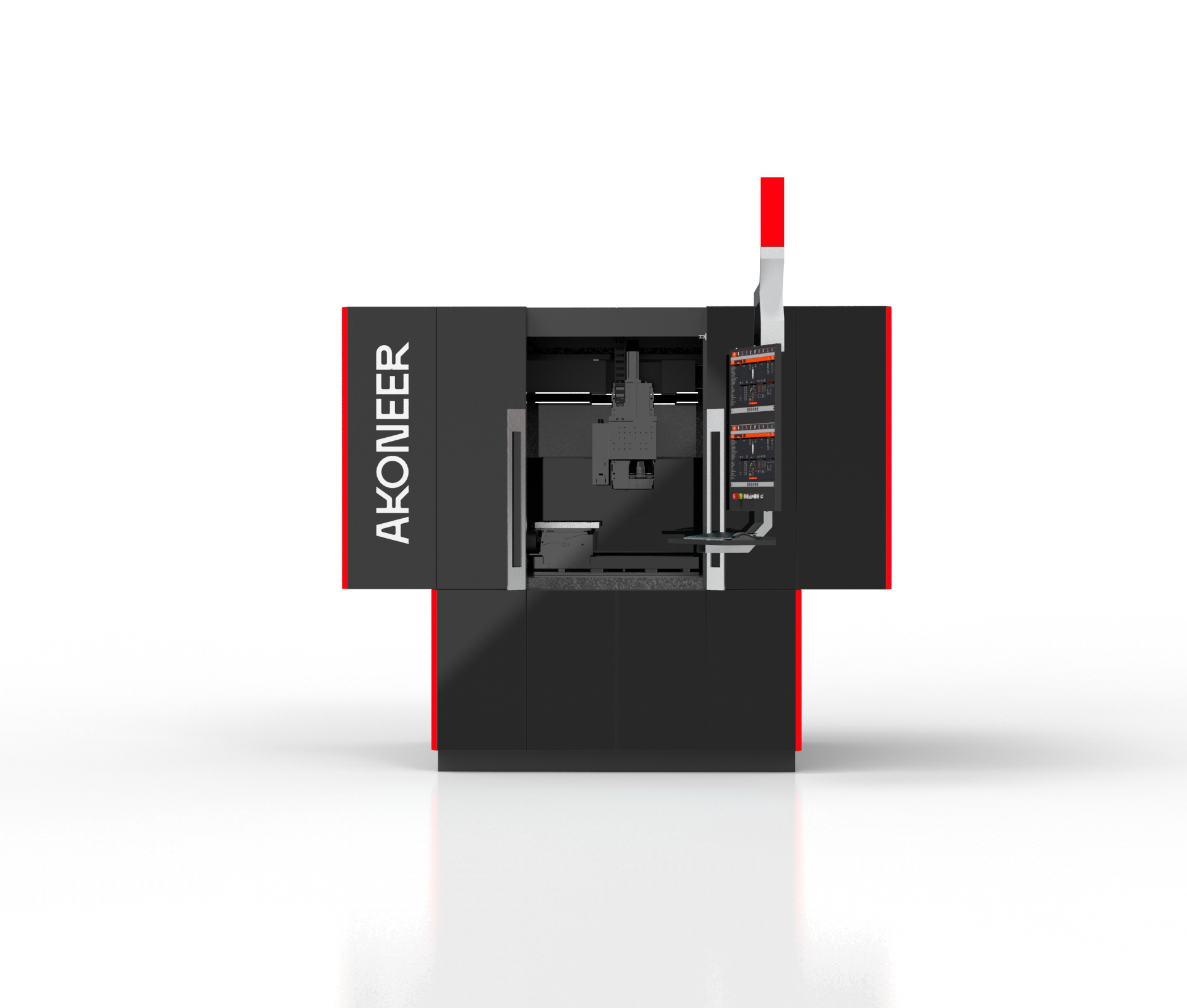
Laser etching is a precise and efficient method for marking, engraving, or altering the surface of metal materials. This technology uses a focused light beam to remove or oxidize a thin layer of the metal surface, creating a high-contrast mark. Unlike traditional engraving, laser etching is non-contact, reducing equipment wear and guaranteeing a consistent, clean finish. This minimizes the risk of damage to delicate or intricate designs. Laser etching is distinct from laser engraving, which removes more material for deeper cuts, and laser marking, which changes the surface appearance without removal.
Applications across various industries
Laser etching for metal is versatile and precise, making it valuable across industries. In the automotive industry, it marks components with serial numbers, barcodes, or logos, ensuring traceability and authenticity. The aerospace sector uses it for parts identification and compliance with safety standards. In the medical field, surgical instruments and implants are etched with crucial information like batch numbers and manufacturer details, ensuring compliance with regulations. Additionally, consumer electronics manufacturers use laser etching for branding or functional labels on devices, and the jewelry industry employs it for intricate designs on precious metals. A notable example is Ford, which uses laser etching to mark components, enhancing traceability and reducing counterfeit risks by 30%.
Advantages over traditional methods
Laser etching offers several advantages over traditional marking and engraving techniques. It provides unmatched precision, enabling detailed designs with minimal error. The process is efficient, with faster production times than mechanical methods. As a non-contact process, it reduces material damage risk and eliminates tool replacement due to wear, resulting in long-term cost savings. Laser etching is environmentally friendly, as it doesn't use inks or chemicals, and the flexibility of laser machines allows easy adjustments and customization, suitable for large-scale and bespoke projects.
Types of lasers used in metal etching
Various lasers are used in metal etching, each with unique properties and applications. Fiber lasers are common due to their efficiency and ability to produce high-quality marks on metals like stainless steel and aluminum. They typically operate at 2 to 6 kW power levels. CO2 lasers are suitable for non-metal materials or coated metals because of their longer wavelength. YAG lasers, using a crystal as their lasing medium, are less common in industrial settings due to higher cost and maintenance, but they offer repeatability of ±0.02 mm. The choice of laser depends on project requirements, including metal type, desired etching depth and contrast, and production volume.
Factors affecting etching quality
Several factors influence the quality of laser etching on metal surfaces. The laser's power and speed settings determine the mark's depth and clarity; incorrect settings can lead to poor contrast or incomplete etching. A clean, smooth metal surface yields better results than a dirty or uneven one. The type of metal affects the outcome, as different metals have varying reflectivity and thermal conductivity. Proper focus and alignment of the laser beam ensure precision and consistency. Though less significant, environmental factors like temperature and humidity can also impact the etching process.
Considerations for implementing laser etching
When implementing laser etching in manufacturing, several considerations must be taken into account. The choice of laser system should align with business needs, including metal types, desired production speed, and budget. Operators must be adequately trained to handle equipment safely and efficiently. Regular maintenance is crucial for optimal performance and system longevity. Compliance with safety standards and regulations is essential, especially in industries like aerospace and medical devices. Businesses should consider future scalability, ensuring their laser etching system can accommodate increased production demands or new materials as operations grow.
Future trends and innovations
The field of laser etching for metal is evolving, driven by technology advancements and industry demands. One significant trend is developing more compact and affordable laser systems, which makes the technology accessible to small and medium-sized enterprises. Innovations in laser sources and beam delivery systems are enhancing precision and speed, while software developments improve automation and ease of use. As industries prioritize sustainability, there's a growing focus on reducing laser etching's environmental impact. Integrating laser etching with other digital manufacturing technologies, like additive manufacturing and IoT-enabled systems, is set to expand its applications and capabilities in the coming years.