Laser etching machines
Laser etching machines enable efficient and detailed engraving across various industries, offering significant benefits in productivity and environmental impact.
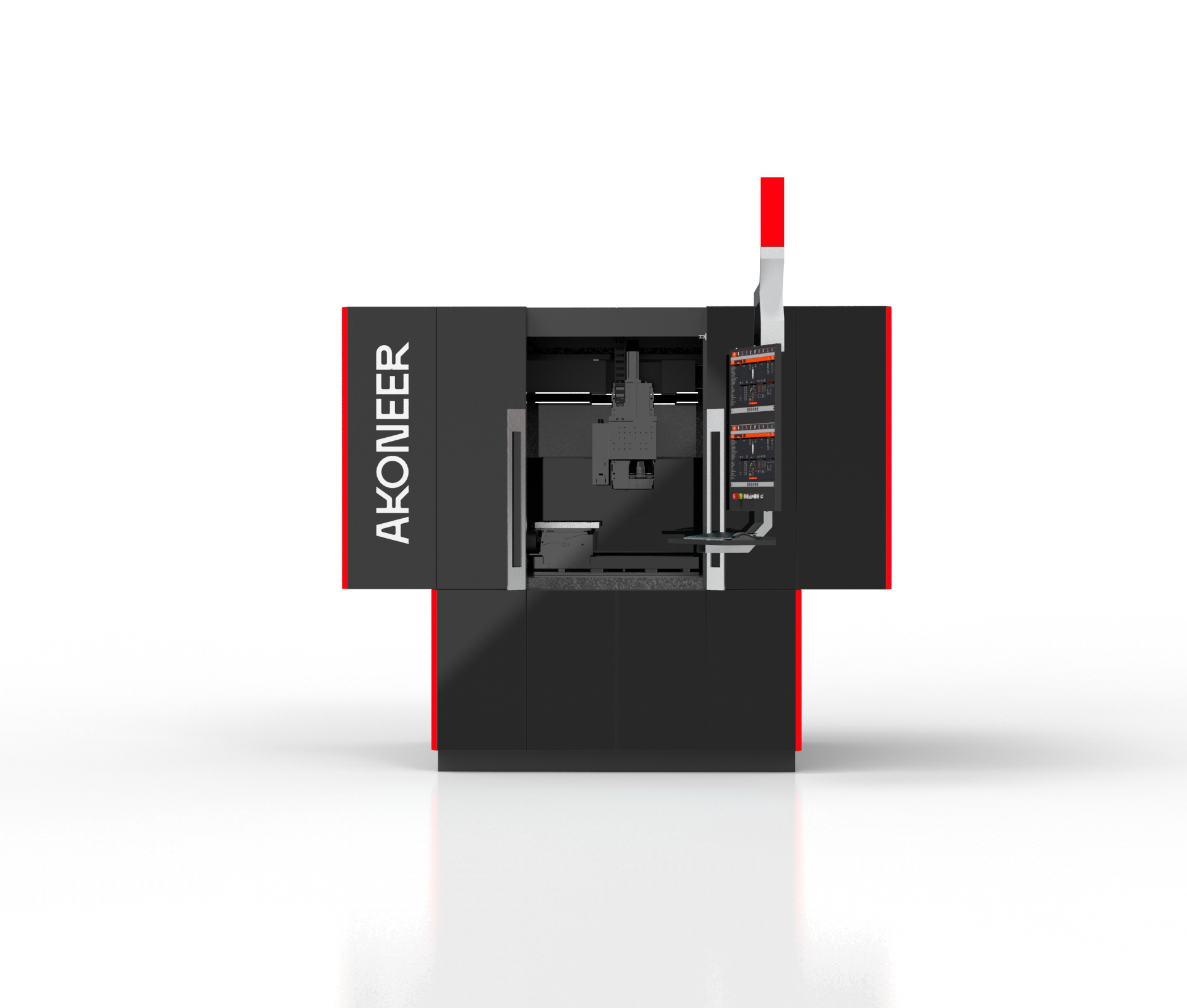
Laser etching machines have transformed how businesses and individuals handle engraving and marking tasks. These machines deliver precision, speed, and versatility, making them essential across numerous industries. Understanding the technology behind laser etching, its applications, and benefits can help make informed decisions for both industrial and personal use.
Understanding laser etching technology
Laser etching employs a concentrated beam of light to engrave or mark surfaces by removing material, creating designs or markings. By focusing the laser beam onto an object, the material heats intensely and vaporizes. Unlike traditional engraving, laser etching involves no physical contact, minimizing equipment wear and enabling intricate designs.
The main types of lasers in etching machines include CO2 lasers, fiber lasers, and Nd:YAG lasers, each suited to different materials. CO2 lasers are ideal for non-metal materials like wood, glass, and plastics, while fiber lasers, with power outputs ranging from 20 to 50 watts, excel in marking metals and hard plastics. Nd:YAG lasers, though more niche, are used where deep marking or cutting is needed. The laser type chosen significantly influences the process's efficiency and quality.
Applications across industries
Laser etching machines serve diverse industries. In the automotive sector, they mark parts and components with serial numbers, barcodes, and logos, ensuring traceability and authenticity crucial for safety and quality control. The electronics industry utilizes laser etching for marking circuit boards and components, providing a permanent solution that withstands environmental factors.
In fashion and textiles, laser etching enables intricate patterns and designs on fabrics and leather, opening new possibilities for customization and personalization. The medical industry also benefits from laser etching, particularly for marking surgical instruments and medical devices to meet regulatory standards and assist in tool identification during procedures.
For instance, BMW uses laser etching to mark over 1,000 parts per day, improving production speed by 30% while ensuring compliance with industry regulations.
Benefits of using laser etching machines
Laser etching machines offer precision, achieving repeatability within ±0.02 mm, setting them apart from traditional methods. This precision also minimizes material wastage by ensuring only necessary material is removed.
Speed is another advantage. Laser etching machines can complete tasks much faster than manual engraving, enhancing productivity and reducing turnaround times, especially beneficial for businesses with high-volume production.
While the initial investment in a laser etching machine may be substantial, ongoing costs are low. The machines require minimal maintenance, and the lack of physical contact means fewer parts need replacement over time. Additionally, laser etching eliminates the need for consumables like inks or chemicals, further reducing operational costs.
Environmental considerations
Laser etching is considered environmentally friendly. Unlike chemical etching, it does not produce hazardous waste or require harmful substances. The process is clean, with the primary byproduct being the vaporized material. This makes laser etching a sustainable choice for businesses aiming to reduce their environmental footprint.
Moreover, laser etching machines are energy-efficient. Advances in laser technology have led to machines that consume less power—around 2–6 kW—while maintaining high performance, reducing energy costs and aiding environmental conservation.
Choosing the right laser etching machine
When selecting a laser etching machine, consider the materials you'll work with and the complexity of the designs. The laser type, power output, and machine size are crucial factors affecting the machine's suitability for specific tasks. Also, consider user-friendly software and ease of operation, especially for businesses lacking specialized technical staff.
The manufacturer's reputation and support services are also important. Access to technical support and training can be invaluable, particularly for new users or businesses integrating laser etching into their operations for the first time.
Future trends in laser etching
The laser etching industry is poised for continued growth and innovation. Developments in laser technology, such as ultrafast lasers, promise even greater precision and speed. These advancements could enable new applications in industries like aerospace and defense, where extreme precision is paramount.
Additionally, integrating laser etching with digital technologies, like the Internet of Things (IoT) and Industry 4.0, is likely to enhance machine capabilities. Smart laser etching machines could provide real-time data and analytics, allowing businesses to optimize processes and improve quality control.
In summary, laser etching machines offer a versatile, efficient, and environmentally friendly solution for engraving and marking needs across various industries. As technology advances, these machines will play an ever-increasing role in manufacturing and design, providing new opportunities for innovation and creativity.