Laser etching machine for stainless steel
Laser etching technology offers efficient and durable marking solutions for stainless steel across various industries.
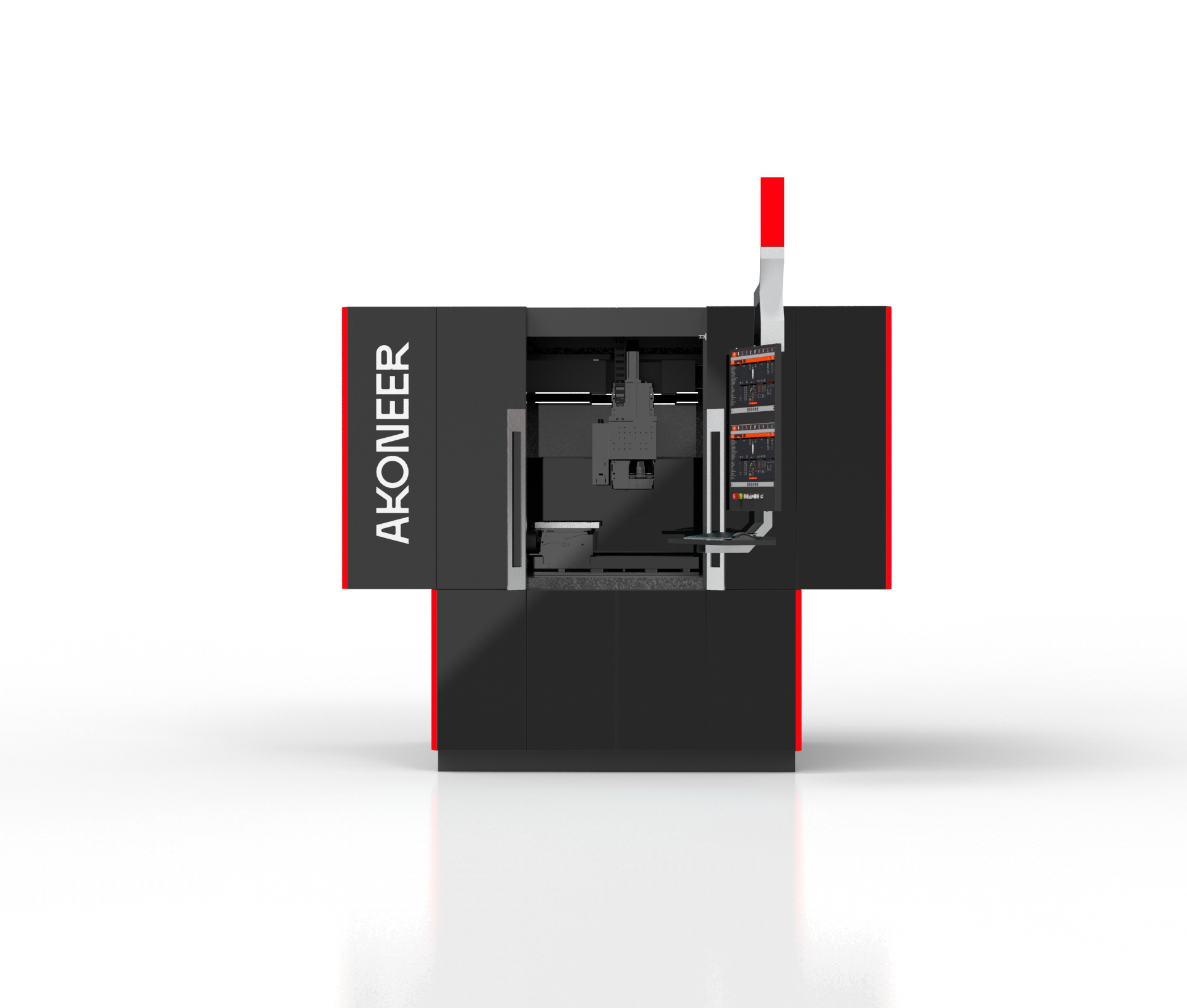
Laser etching has become an indispensable technology in various industries, offering precision and efficiency in marking and engraving materials. Among the materials commonly etched, stainless steel stands out for its durability and widespread use. This article delves into the intricacies of using laser etching machines for stainless steel, exploring their benefits, the technology behind them, and considerations for selecting the right machine.
Understanding laser etching technology
Laser etching employs a laser beam to remove the surface layer of a material, creating a mark or design. This technique is distinct from laser engraving, which penetrates deeper into the material. Laser etching is particularly suitable for stainless steel due to its ability to produce high-quality, long-lasting marks without compromising the material's integrity.
The etching process involves directing a concentrated laser beam onto the stainless steel surface. The laser's heat causes the metal to oxidize, changing its color and creating a visible mark. This non-contact process minimizes wear on the machine. Laser etching achieves precision, allowing intricate designs, logos, and text to be reproduced with exceptional clarity and repeatability of ±0.02 mm.
Why stainless steel?
Stainless steel is favored in many industries due to its corrosion resistance, strength, and aesthetic appeal. It's commonly used in manufacturing kitchen appliances, medical instruments, automotive parts, and architectural components. The ability to etch stainless steel with lasers offers significant advantages in these fields.
In the medical industry, for example, laser etching ensures that instruments are marked with critical information, such as serial numbers or manufacturer details, crucial for traceability and compliance with regulations. In the automotive sector, parts are marked for identification and quality control. The durability of laser-etched marks on stainless steel ensures they remain legible throughout the product's lifespan, even in harsh environments.
Advantages of laser etching machines
Laser etching machines provide several benefits over traditional marking methods. One primary advantage is their non-contact nature, reducing the risk of damaging the material. This is crucial for stainless steel, where maintaining surface integrity is essential.
Additionally, laser etching machines offer unparalleled precision and repeatability. They consistently produce accurate results, even with complex designs or small text. This accuracy is difficult to achieve with other marking techniques, such as mechanical engraving or stamping. Laser etching is also environmentally friendly; unlike chemical etching, it involves no hazardous substances, generates minimal waste, and requires no consumables, reducing operational costs and aligning with sustainable manufacturing practices.
Selecting the right laser etching machine
Choosing the right laser etching machine for stainless steel involves several considerations. The type of laser source is critical. Fiber lasers, for instance, are commonly used for etching metals like stainless steel due to their efficiency and ability to produce high-quality marks. They offer a longer lifespan and require less maintenance compared to CO2 lasers.
Power and speed are crucial factors. Higher power lasers, ranging from 2 to 6 kW, can etch faster and handle thicker materials, but may not be necessary for all applications. Balancing power and speed ensures the desired quality and efficiency. The machine's software and user interface significantly impact usability. Advanced software allows for easy design creation and editing, while a user-friendly interface ensures operators can quickly learn and operate the machine effectively. Compatibility with various file formats and the ability to integrate with existing systems can further enhance productivity.
Applications and industry impact
The versatility of laser etching machines extends to numerous applications across different industries. In the jewelry industry, these machines enable the customization of stainless steel pieces with intricate designs, adding value to the final product. In electronics, laser etching marks components with identification codes for traceability and quality assurance.
The aerospace industry benefits from laser etching due to the need for durable and legible markings on critical components. These marks play a vital role in maintenance and safety checks, ensuring that parts can be easily identified and tracked throughout their lifecycle. For example, Airbus uses laser etching on stainless steel components to ensure compliance with stringent aviation standards, reducing identification errors by 20%.
Future trends in laser etching
The future of laser etching technology looks promising, with ongoing advancements aimed at increasing efficiency and expanding capabilities. One trend is the development of more compact and portable machines, making laser etching accessible to smaller businesses and on-site applications.
Integration with automation and smart manufacturing systems is another area of growth. By incorporating laser etching machines into automated production lines, manufacturers can achieve higher throughput and consistency, reducing the potential for human error. Research into new laser sources and techniques is also underway, aiming to further improve the quality and speed of etching processes. These innovations are expected to enhance the overall performance of laser etching machines, making them an even more valuable tool across various industries.
Laser etching machines for stainless steel offer a powerful solution for precise and durable marking. Their benefits, from non-contact operation to environmental sustainability, make them an attractive option for manufacturers. As technology continues to evolve, laser etching machines will undoubtedly play an increasingly important role in modern manufacturing processes.