Laser etching machine for glass
Explore the functionality, benefits, and challenges of laser etching machines specifically designed for glass applications across various industries.
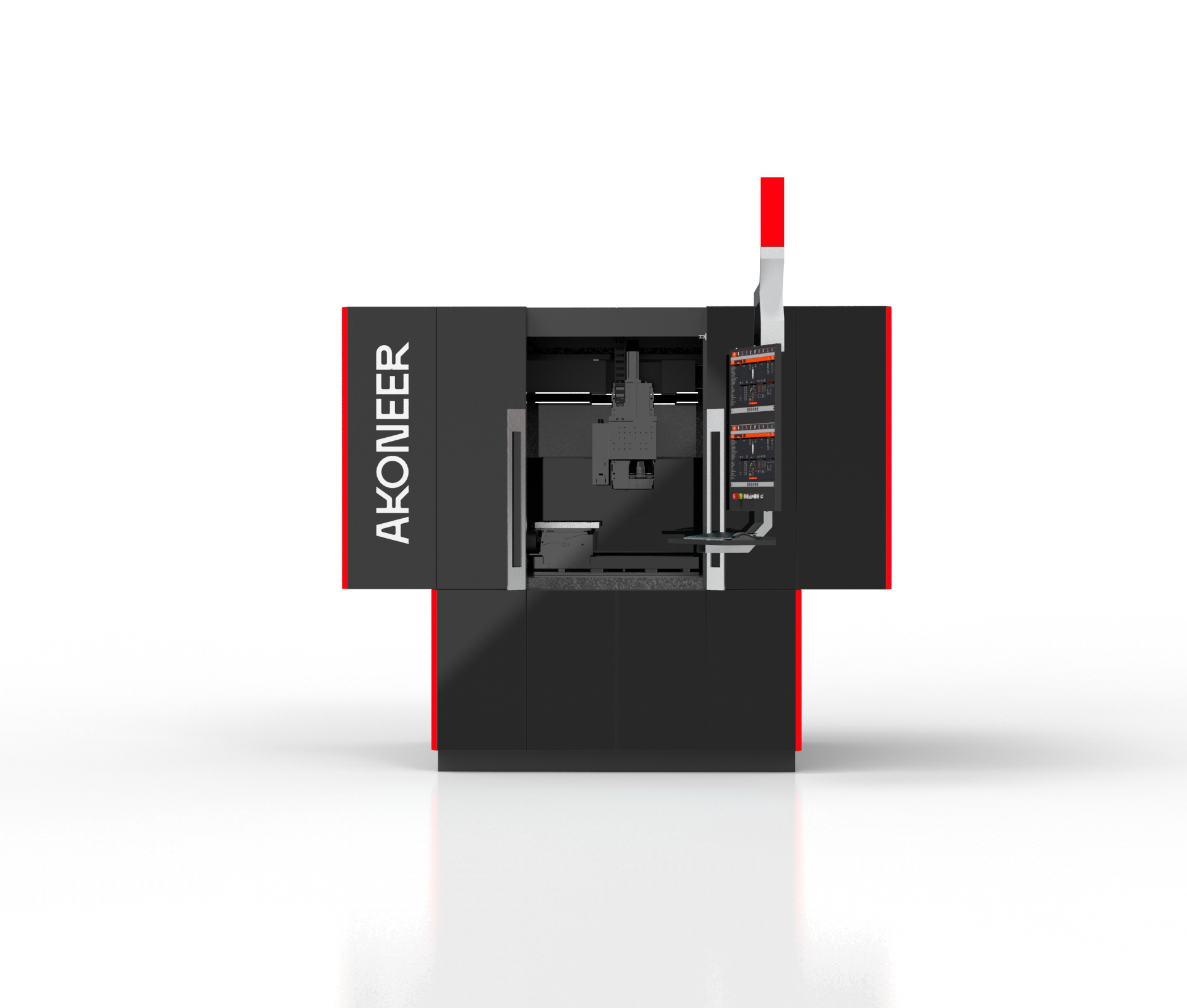
Laser etching technology has become an essential tool in various industries, particularly when working with glass. This article explores the intricacies of laser etching machines designed specifically for glass applications, highlighting their functionality, benefits, and potential challenges.
Understanding laser etching technology
Laser etching uses concentrated light beams to engrave or mark materials. For glass, the laser creates micro-fractures on the surface, resulting in a frosted appearance. The precision and control offered by laser etching machines make them ideal for intricate designs and detailed work on glass. Unlike traditional methods like sandblasting or acid etching, laser etching does not require physical contact with the material, significantly reducing the risk of damage or wear.
The primary components of a laser etching machine include the laser source, a control system, and a motion system. The laser source emits the beam, while the control system manages the intensity and focus. The motion system ensures the precise movement of the laser across the glass surface. These components work together to produce high-quality etchings, achieving repeatability of ±0.02 mm, with minimal error margins.
Advantages of using laser etching machines for glass
Laser etching machines offer several advantages over traditional glass engraving methods. The precision of laser technology enables intricate and complex designs that would be difficult to achieve manually, accommodating specifications like kerf widths of approximately 0.1 mm. This precision benefits industries requiring detailed logos, text, or patterns on glass products.
Additionally, laser etching is a non-contact process, meaning it does not physically alter the glass structure beyond the surface level. This results in minimal risk of cracking or breaking the glass, preserving its integrity. The non-contact nature also reduces equipment wear and tear, resulting in lower maintenance costs and longer machine life.
Another significant advantage is the speed and efficiency of the process. Laser etching machines can complete tasks faster than manual methods, increasing productivity and allowing for rapid prototyping. For example, Coherent Inc. employed laser etching to enhance production, achieving cutting speeds of up to 30 meters per minute, thus significantly boosting output.
Applications across various industries
Laser etching machines are used in a wide range of industries due to their versatility. In the automotive industry, they are employed for marking serial numbers or branding on glass components. In the home decor market, laser etching is used to create customized glassware, mirrors, and decorative panels.
The advertising industry benefits from laser-etched glass for creating eye-catching signage and promotional materials. The precision of laser etching is also valuable in the electronics industry for marking glass components with intricate designs or functional elements.
These machines are equally beneficial for artists and designers who wish to explore new creative avenues. The ability to transfer digital designs onto glass surfaces opens up possibilities for unique artworks and personalized projects.
Challenges and considerations in laser etching glass
While laser etching machines offer numerous advantages, there are also challenges and considerations to keep in mind. One primary challenge is the initial investment cost. High-quality laser etching machines, with power ranges from 2–6 kW, can be expensive, which may be a barrier for small businesses or individual artisans.
Another consideration is the learning curve associated with operating the machines. While user-friendly interfaces have made them more accessible, understanding the nuances of laser settings, power levels, and design software requires training and experience.
Additionally, not all types of glass are suitable for laser etching. The composition and quality of the glass can affect the final result, making it essential to conduct tests before full-scale production. Some glass types may not respond well to laser etching, resulting in unwanted fractures or inconsistent markings.
Environmental impact and sustainability
Laser etching machines are relatively environmentally friendly compared to traditional methods. They do not produce harmful chemicals or waste materials, making them a cleaner option for glass engraving. The energy consumption of these machines is generally lower than other methods, contributing to a reduced carbon footprint.
Furthermore, the precision of laser etching minimizes material wastage, as there is no need for cleaning up excess material or dealing with residues. This efficiency aligns with the growing demand for sustainable manufacturing practices across industries.
Future trends in laser etching for glass
As technology continues to evolve, the capabilities of laser etching machines are expected to expand. Advances in laser technology, such as the development of more powerful and precise lasers, will enhance the quality and speed of etching processes. Integration with digital design software and automation will streamline workflows, making laser etching more accessible to a broader audience.
Customization and personalization trends are likely to drive demand for laser-etched glass products. The ability to create one-of-a-kind items quickly and efficiently will appeal to both consumers and businesses seeking unique branding solutions.
Laser etching machines for glass represent a significant advancement in manufacturing and design capabilities. Their precision, efficiency, and versatility make them invaluable tools across various industries, from automotive to art. Despite challenges like initial costs and learning curves, the benefits far outweigh the drawbacks, ensuring their continued importance in the future.