Laser etching machine cost
Explore the essential considerations and costs associated with investing in a laser etching machine for diverse industrial and personal applications.
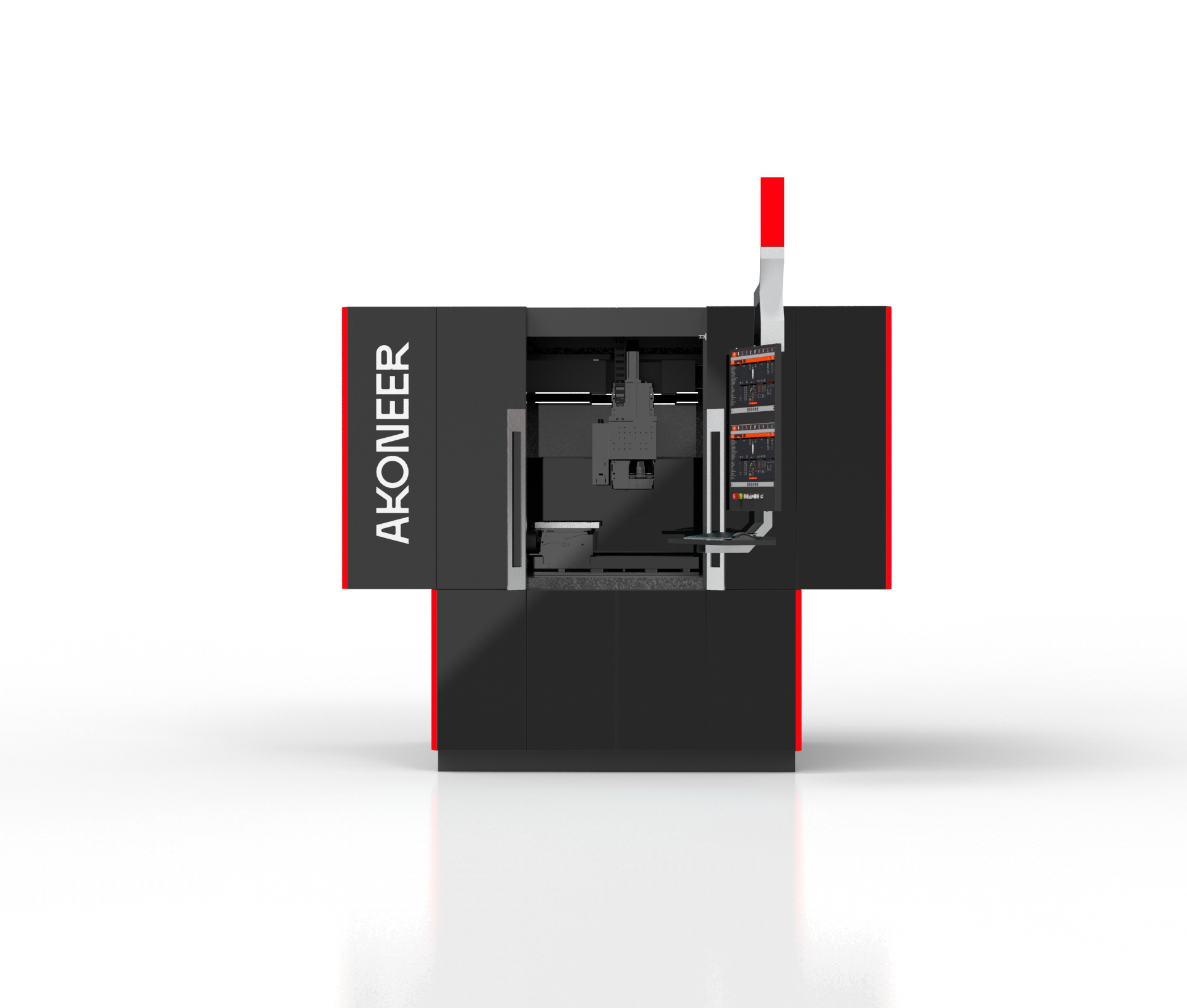
Understanding the cost of a laser etching machine is essential for businesses and individuals considering investing in this technology. These versatile tools are used across various industries for marking, engraving, and cutting materials such as metals, plastics, glass, and wood. Offering precision and efficiency, they are ideal for manufacturing, artistic, and personal applications. However, prices can vary significantly due to several influencing factors, including the type of laser, power output, machine size, and additional features. This article explores these factors, along with the initial and ongoing costs, and the potential return on investment.
Factors influencing the cost
The cost of a laser etching machine depends on the type of laser, power output, machine size, and additional features. Three primary laser types are used in these machines: CO2, fiber, and Nd:YAG. CO2 lasers are generally more affordable and suitable for non-metal materials, while fiber lasers offer high precision and are better for metal etching, albeit at a higher cost. Nd:YAG lasers fall in between and are often used for specific industrial applications. Power output also affects the cost; machines with power ranging from 2–6 kW can etch faster and handle thicker materials, thus commanding a higher price. Larger machines, capable of holding bigger materials, are typically more expensive. Features such as advanced software, cooling systems, and automation can increase the base price but may offer long-term benefits in efficiency and quality.
Initial investment and setup costs
The initial investment for a laser etching machine includes the purchase price and setup costs. Basic models suitable for hobbyists or small businesses can start at around a few thousand dollars, while high-end industrial machines can cost upwards of several hundred thousand dollars. It's crucial to consider not just the purchase price but also installation costs, which may require professional assistance, particularly for larger machines. Setup costs might also involve acquiring necessary safety equipment since laser machines can pose risks like eye damage and fire hazards. Proper ventilation and protective eyewear are essential, adding to the initial expenditure. Additionally, software licenses for design and control programs might have upfront or recurring fees, contributing to the initial cost.
Ongoing costs and maintenance
Operating a laser etching machine incurs ongoing costs that must be considered. These include electricity consumption, which varies based on the machine's power and usage frequency. Regular maintenance is crucial for ensuring the machine's longevity and efficiency, involving tasks like cleaning, replacing parts such as the laser tube or lens, and performing software updates. Consumables, like materials for etching and replacement parts, add to the ongoing expenses. For instance, CO2 lasers may require periodic gas refills, while fiber lasers might need less frequent maintenance but could have more expensive part replacements. Establishing a maintenance schedule and budgeting for these costs is vital to avoid unexpected expenses.
Evaluating return on investment
Investing in a laser etching machine can provide significant returns, especially for businesses aiming to improve productivity and product offerings. By automating and speeding up the engraving process, companies like XYZ Corp reduced labor costs and increased output by 30%. The precision and quality of laser etching can enhance product appeal, allowing for premium pricing and expanded market opportunities. For individuals and small businesses, the potential for custom and personalized products can open new revenue streams. Items such as personalized gifts, custom signage, and intricate artwork become feasible with a laser etching machine. In evaluating the return on investment, it's important to consider these revenue opportunities alongside the costs to determine the machine's value over time.
Making an informed decision
Choosing the right laser etching machine requires careful consideration of cost factors, initial investment, ongoing expenses, and potential revenue. Prospective buyers should assess their specific needs, such as the materials they intend to etch, required precision, and volume of work. Comparing different models and manufacturers can help identify the best options within budget constraints. Consulting with experts or existing users can provide valuable insights into the performance and reliability of different machines. Additionally, exploring leasing options or financing plans might make the investment more manageable. Ultimately, a thorough analysis of both costs and benefits will guide a well-informed purchasing decision, ensuring that the machine meets current and future needs efficiently and economically.