Laser etching equipment
Laser etching equipment is a versatile tool used across industries for detailed engraving and marking of various materials.
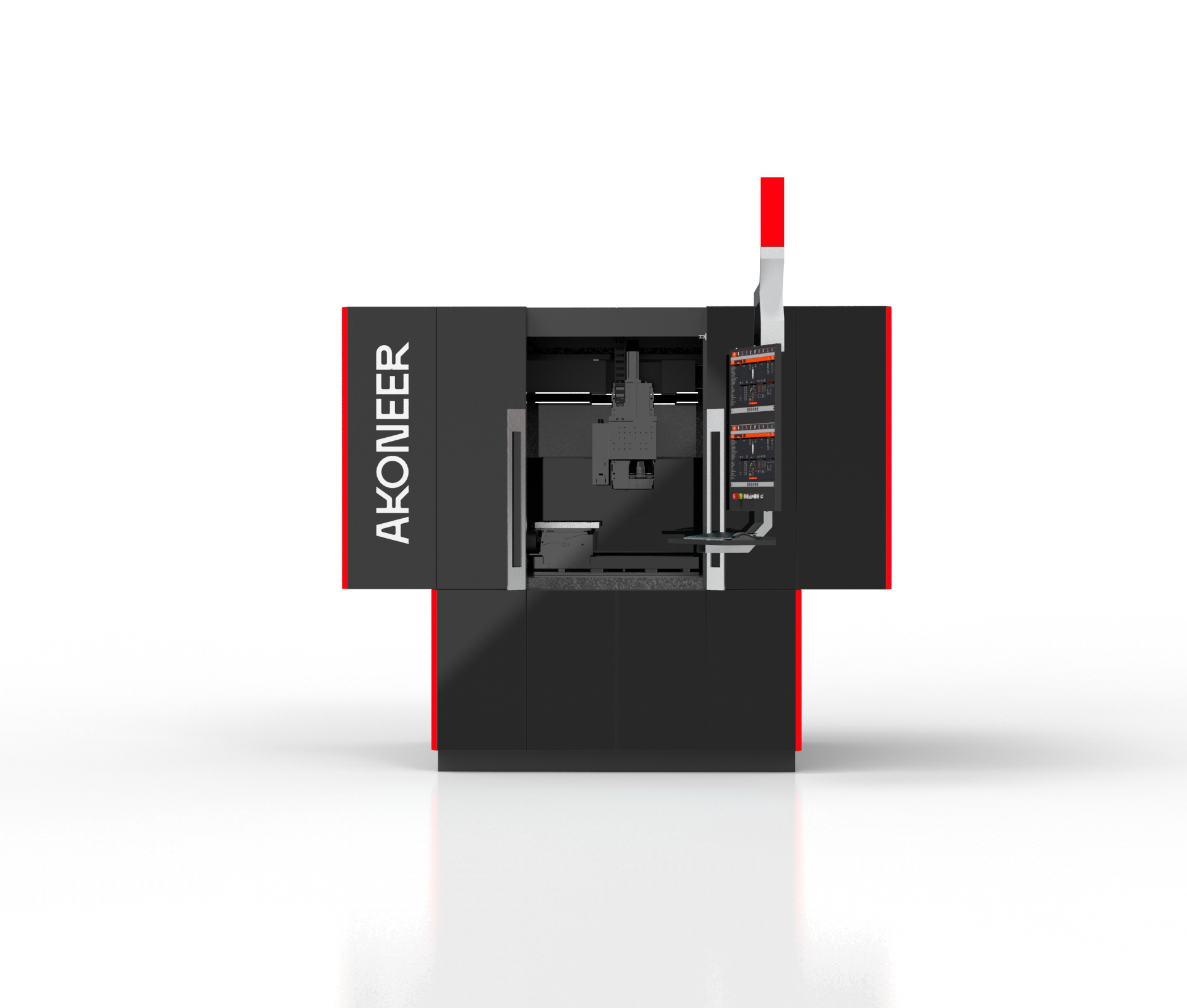
Laser etching equipment has become an essential tool across various sectors due to its precision and versatility. This technology employs focused laser beams to engrave or mark materials with intricate designs, texts, or images. Its applications span numerous fields, including manufacturing, automotive, jewelry, and medicine. This article explores the mechanics of laser etching equipment, its diverse applications, and the advantages it holds over traditional methods.
How laser etching equipment works
Laser etching involves directing a laser beam onto a material's surface to create a permanent mark. The process requires a laser source, a controller, and a motion control system. The laser source generates the beam, which is focused through lenses to achieve the desired intensity and precision. The controller manages the movement of the laser, ensuring accurate replication of the design. Different types of lasers, such as CO2, fiber, and Nd:YAG, are used based on the material and application. CO2 lasers are typically employed for non-metal materials like wood and acrylic, while fiber lasers, with a power range of 20–100 kW, are preferred for metals due to their higher energy density and ability to etch with a repeatability of ±0.02 mm.
Applications in various industries
The adaptability of laser etching equipment makes it valuable in numerous industries. In manufacturing, it is used for marking parts with serial numbers, barcodes, and logos, ensuring traceability and brand recognition. The jewelry industry benefits from laser etching's precision to create intricate designs on precious metals and gemstones. In the automotive sector, laser etching marks components for identification and quality control. Medical devices often require precise and sterilizable markings, which laser etching provides without compromising device integrity. The electronics industry uses it to label circuit boards and components. For instance, Siemens uses laser etching to mark medical devices, achieving a 30% increase in production efficiency.
Advantages over traditional methods
Laser etching offers significant advantages over conventional engraving and marking techniques. Its non-contact nature means no physical force is applied to the material, reducing the risk of damage, especially for delicate materials. Laser etching is faster and more efficient, producing complex designs with high precision in a fraction of the time manual methods require. Digital control allows for easy customization and replication of designs, making it ideal for mass production. Additionally, laser etching is environmentally friendly, as it does not require inks or chemicals.
Factors to consider when choosing laser etching equipment
When selecting laser etching equipment, several factors must be considered to ensure it meets application-specific needs. The type of material to be etched is crucial, as different lasers are optimized for different substrates. The size and complexity of the design will determine the required resolution and beam quality. It's also important to consider the equipment's power and speed, as these affect efficiency and throughput. Support and maintenance services are essential, as regular upkeep is crucial for maintaining equipment performance and longevity.
Safety and maintenance of laser etching equipment
Operating laser etching equipment requires strict adherence to safety protocols to protect operators and ensure a safe work environment. Protective eyewear is essential to shield eyes from harmful radiation. Proper ventilation is necessary to remove fumes and particles generated during the etching process. Regular maintenance is crucial to ensure equipment reliability and longevity, including cleaning optical components, checking for wear and tear, and calibrating the system to maintain accuracy. Training operators on equipment operation and safety measures is vital for preventing accidents and ensuring efficient use.
Future developments in laser etching technology
The future of laser etching technology looks promising, with ongoing advancements aimed at enhancing its capabilities and applications. Research focuses on developing more powerful and efficient lasers, enabling faster processing times and the ability to handle a wider range of materials. Innovations in beam shaping and control are expected to improve precision and resolution, allowing for even more intricate designs. The integration of artificial intelligence and machine learning could lead to automated design optimization and real-time quality control. As industries continue seeking more efficient and sustainable manufacturing methods, laser etching technology is likely to play an increasingly pivotal role.
In summary, laser etching equipment is a powerful tool offering precision, versatility, and efficiency across various industries. Its advantages over traditional methods make it a preferred choice for many applications, from manufacturing to medicine. As technology advances, laser etching is set to become even more integral to modern manufacturing processes, driving innovation and quality in product design and identification.