Laser etching device
Laser etching devices enhance various industries by offering efficient, consistent, and versatile marking solutions across a wide range of materials.
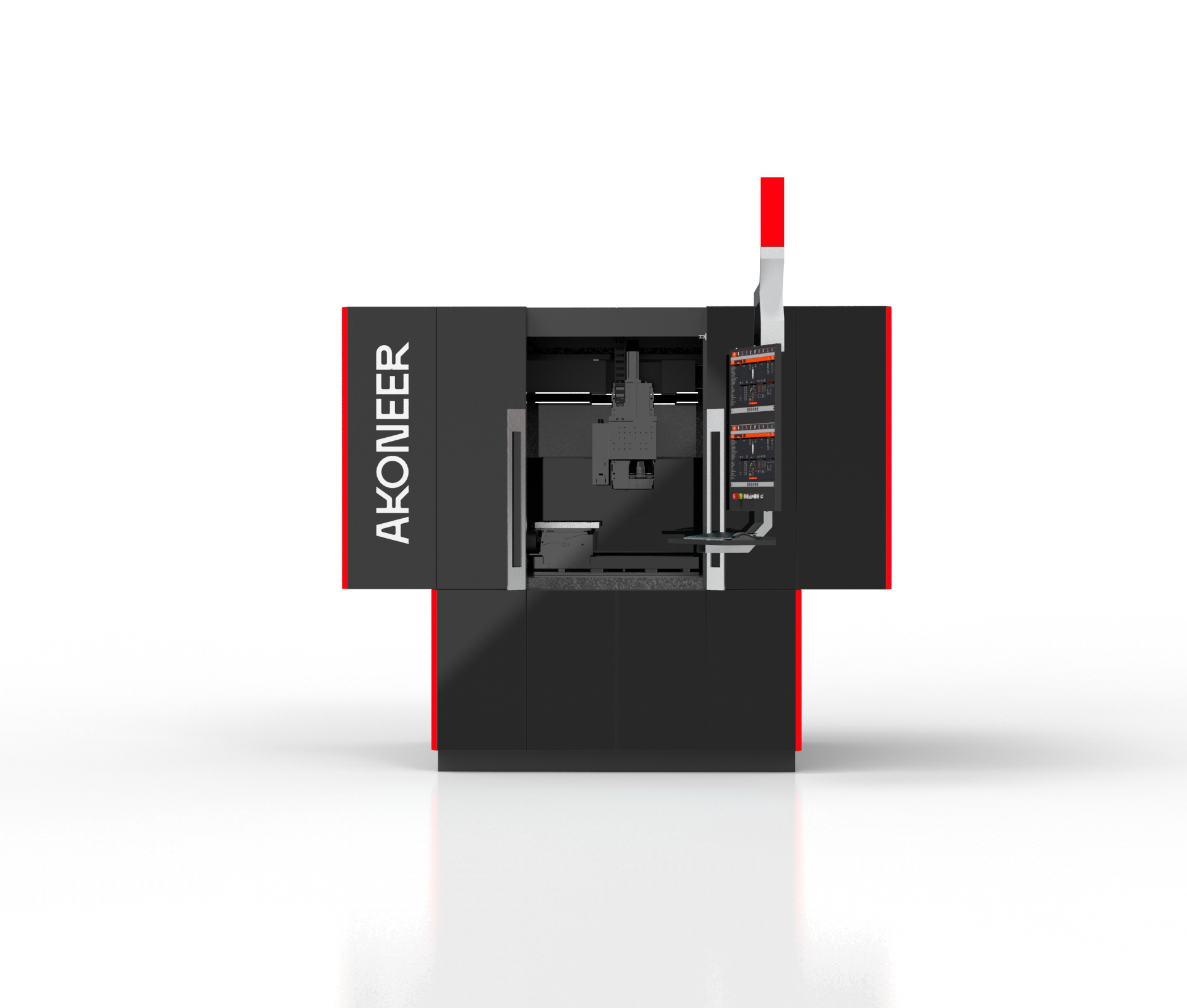
The advent of laser etching devices has transformed numerous industries by enhancing precision, efficiency, and creativity. These machines use concentrated light beams to etch designs, patterns, or information onto various surfaces, including metals, plastics, wood, and glass. Understanding how laser etching devices function, their applications, benefits, and considerations is essential for those interested in leveraging this technology.
Understanding laser etching devices
Laser etching is a subset of laser marking, involving the alteration of a material's surface with a laser beam. The process uses high-intensity light to vaporize or ablate the material's surface, creating a visible mark. The depth of the etching can vary depending on the laser's power (typically ranging from 2 to 6 kW) and speed. Unlike engraving, which removes more material, etching is more superficial, allowing for intricate designs without compromising structural integrity. Different types of lasers, such as fiber, CO2, and diode lasers, are utilized based on the material and desired outcome. For instance, fiber lasers are particularly effective for metals, with a repeatability of ±0.02 mm.
Applications across industries
The versatility of laser etching devices extends to various sectors. In manufacturing, these devices facilitate the marking of serial numbers, barcodes, and logos on products, ensuring traceability and brand recognition. The aerospace and automotive industries employ laser etching for component identification and compliance with safety standards. In consumer electronics, etching is used to mark circuit boards and other components. The medical industry benefits by creating detailed markings on surgical instruments and implants, ensuring accuracy and sterility. Additionally, the personalization market has seen significant growth, with businesses offering customized etchings on items like jewelry, trophies, and gadgets.
Advantages over traditional methods
Laser etching devices offer several advantages over traditional engraving and marking methods. They provide unparalleled precision and consistency, with the computer-controlled process ensuring identical etchings, crucial for mass production. Moreover, laser etching is a non-contact process, meaning no physical wear on the tools, reducing maintenance costs and downtime. The speed of laser etching—cutting up to 30 meters per minute—surpasses conventional methods, enabling faster production cycles. Furthermore, its eco-friendly nature, often requiring no additional chemicals or consumables, aligns with growing sustainability efforts across industries.
Key considerations for implementation
While laser etching devices offer numerous benefits, certain considerations must be addressed for effective implementation. The initial investment in laser etching technology can be significant, particularly for high-end industrial models. However, the long-term savings in maintenance and material costs often justify the expenditure. It is crucial to select the appropriate type of laser for the material being etched; for instance, CO2 lasers are more effective for organic materials like wood and leather. Proper training is essential to ensure optimal usage and safety, as high-powered lasers can pose risks if mishandled. Additionally, businesses must consider integrating laser etching devices into existing production systems to maximize efficiency.
Future trends and developments
The future of laser etching technology looks promising, with ongoing advancements aimed at enhancing efficiency and expanding capabilities. Innovations in laser technology are leading to more compact and affordable devices, making them accessible to small businesses and individual creators. Developments in software are allowing for more intricate and customizable designs, opening up new possibilities in artistic and industrial applications. As industries continue to prioritize sustainability, research into energy-efficient laser systems is gaining momentum. Furthermore, the integration of artificial intelligence is poised to revolutionize the automation and precision of laser etching processes.
The impact of laser etching devices on modern manufacturing and design is undeniable. Their ability to deliver precise, consistent, and rapid markings across a wide range of materials makes them an invaluable tool in various industries. As technology continues to evolve, embracing the potential of laser etching devices could pave the way for new applications and innovations. For businesses and individuals looking to enhance their capabilities, investing in laser etching technology offers significant advantages in terms of efficiency, quality, and creativity.