Laser etching anodized aluminum
Laser etching on anodized aluminum provides durable and high-quality markings, making it a valuable technique in diverse industries like aerospace and consumer electronics.
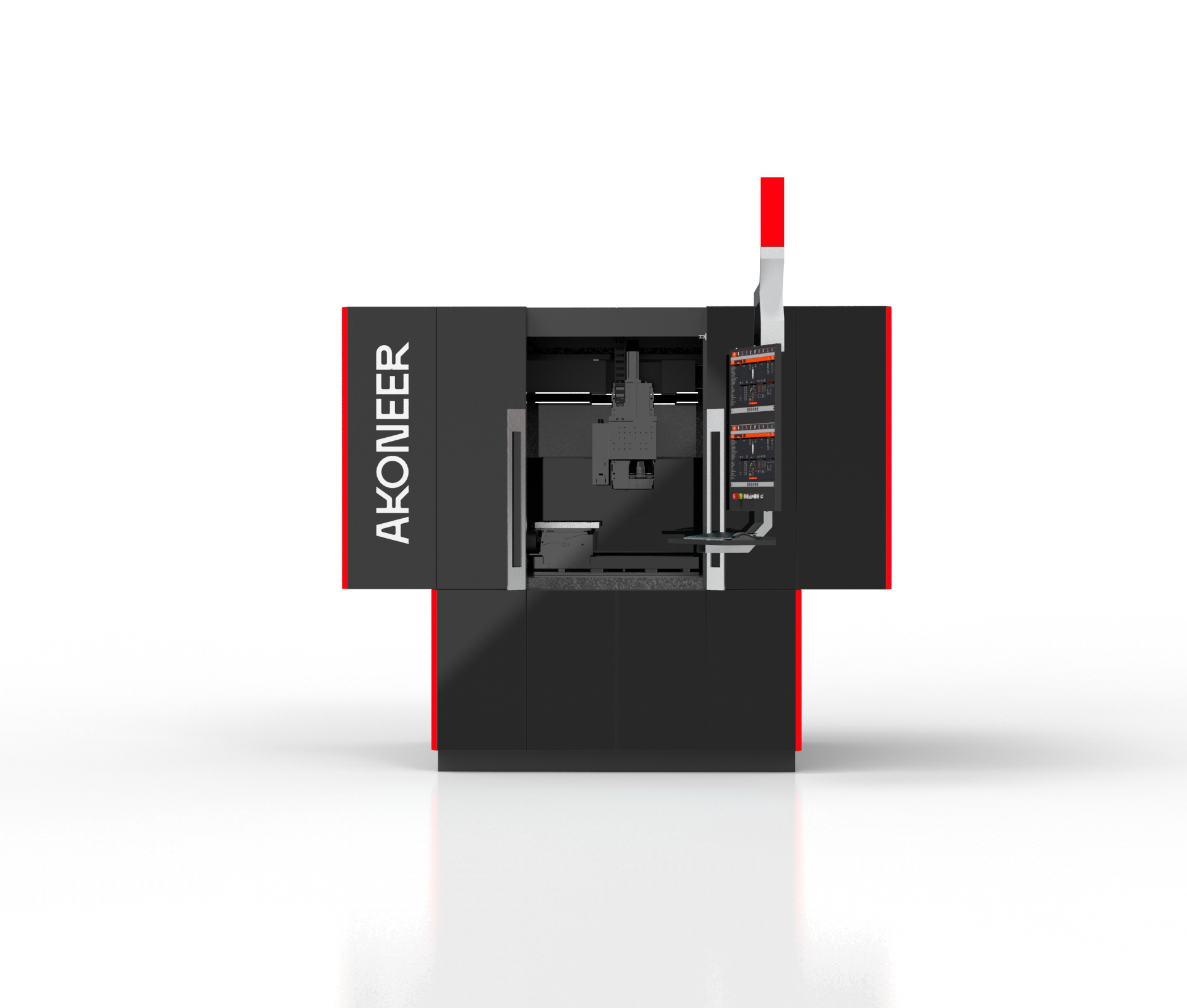
In the world of manufacturing and design, laser etching anodized aluminum has emerged as an effective technique for creating precise and durable markings. This process is widely used across industries such as aerospace and consumer electronics due to its versatility and high-quality results. Understanding the benefits, process, and applications of laser etching on anodized aluminum provides valuable insights for manufacturers and designers alike.
Understanding anodized aluminum
Anodized aluminum undergoes an electrochemical process to form a protective oxide layer on its surface. This enhances the metal's corrosion resistance, wear resistance, and aesthetic qualities. The process involves immersing the aluminum in an acid electrolyte bath and passing an electric current through it. This causes the surface to oxidize, creating a layer integral to the metal and significantly thicker than the natural oxide layer. This layer can be dyed for color, making anodized aluminum a popular choice for applications requiring durability and visual appeal.
The laser etching process
Laser etching, a subset of laser marking, uses a focused laser beam to alter a material's surface. For anodized aluminum, the laser beam removes the dyed layer without harming the underlying metal, resulting in a high-contrast mark that is precise and permanent. The process involves generating the artwork or text to be etched, programming the laser machine with the design, and carefully adjusting the laser parameters. Fiber lasers, typically operating at powers around 20–100 watts, are crucial for producing fine details and consistent results on metal surfaces. For example, Apple Inc. employs laser etching on anodized aluminum for its MacBook line, ensuring high precision and brand consistency across millions of units.
Benefits of laser etching anodized aluminum
Laser etching offers numerous advantages over other marking methods. It provides high precision and accuracy, replicating intricate designs with excellent clarity. This is crucial in industries where traceability and branding are critical. The process is permanent and wear-resistant, ensuring legibility over time even in harsh environments. Laser etching is non-contact, meaning no physical wear on the material or tool, reducing maintenance costs and extending equipment lifespan. It is environmentally friendly, requiring no inks or chemicals, thus reducing waste and emissions.
Applications across industries
The versatility of laser etching anodized aluminum suits a wide array of applications. In aerospace, it marks critical components with serial numbers for traceability and compliance. In consumer electronics, manufacturers use it to brand products, enhancing aesthetic appeal. In the automotive industry, laser etching marks parts and components, aiding in quality control and safety. The medical device industry benefits by precisely marking instruments and implants with unique identifiers crucial for patient safety and compliance.
Challenges and considerations
There are challenges manufacturers must address when laser etching anodized aluminum. Ensuring correct laser settings is vital, as improper settings can lead to poor-quality marks or material damage. The thickness and color of the anodized layer can affect etching contrast and visibility. While efficient, laser etching may not be the most cost-effective for high-volume production runs where other techniques might offer lower per-unit costs. Manufacturers should assess their application's specific needs to determine the best marking solution.
Future trends in laser etching technology
Advancements in laser technology continue to enhance the capabilities of laser etching anodized aluminum. Developments in laser sources, such as ultrafast lasers, enable greater precision and faster processing times. Integration with automation and Industry 4.0 technologies allows for more efficient production processes. As demand for customized, high-quality products grows, the ability to quickly and accurately etch complex designs will become increasingly important. These trends suggest a promising future for laser etching anodized aluminum, with continued innovation driving further improvements in quality, efficiency, and versatility.
Laser etching anodized aluminum is a powerful tool for manufacturers and designers seeking precise, durable, and aesthetically pleasing markings. Its wide range of applications and numerous benefits make it an essential technique in various industries. As technology advances, laser etching will likely continue to evolve, offering new possibilities and maintaining its status as a cornerstone of modern manufacturing.