Laser etching aluminium
Laser etching aluminum provides an efficient, durable method for marking and engraving in modern manufacturing.
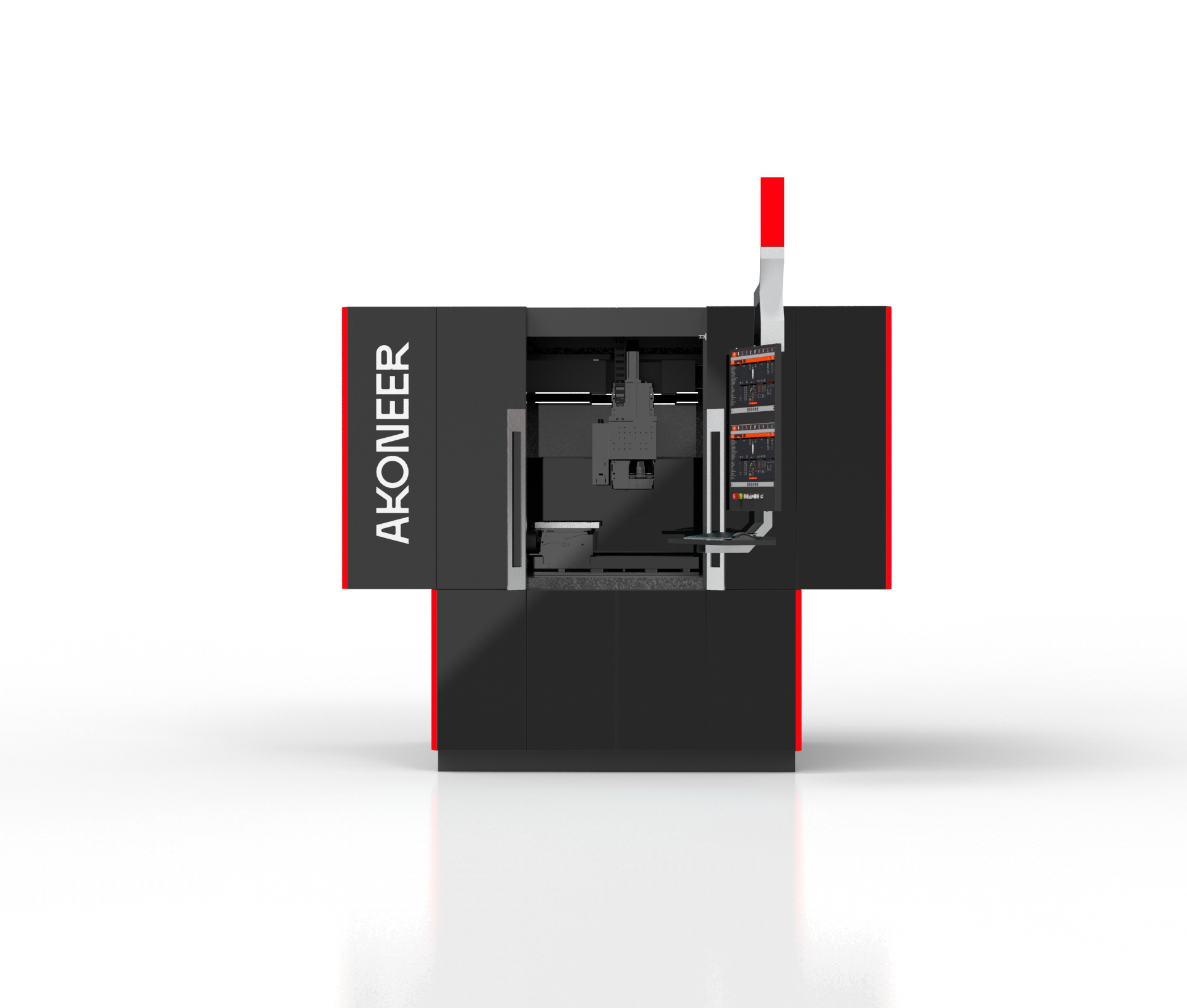
Laser etching aluminum has become a vital process in modern manufacturing, offering a high-precision method for marking and engraving. This technique utilizes laser technology to create detailed designs, logos, and text on aluminum surfaces, providing both functional and aesthetic benefits. As industries evolve, the need for precise, efficient, and cost-effective marking solutions has grown. Laser etching aluminum meets these needs by offering a versatile and durable method used across various applications.
Understanding laser etching
Laser etching involves using a concentrated beam of light to alter a material's surface. For aluminum, the laser removes a portion of the surface to create a mark or design. This process differs from laser engraving, which creates deeper cuts. Laser etching on aluminum is typically shallow, affecting only the surface. The laser beam's intensity and focus are controlled to ensure precise application, allowing for intricate designs and detailed text. The result is a clean, crisp mark that is permanent and resistant to wear, with repeatability often within ±0.02 mm.
The science behind laser etching aluminum
Laser etching aluminum involves directing a laser beam onto the aluminum surface. The aluminum absorbs the laser's energy, causing a localized temperature increase. This heat induces physical changes such as melting, vaporization, or color change, depending on the laser's power and speed. Typically, laser power ranges from 20 to 100 watts for etching applications. The key to successful laser etching is controlling these variables, ensuring consistent and precise marks. Aluminum's excellent thermal conductivity allows for efficient heat dissipation, essential for maintaining the material's integrity during the etching process.
Applications of laser etching on aluminum
Laser etching aluminum is widely used across various industries due to its versatility and precision. In the aerospace industry, it marks parts with serial numbers, barcodes, and logos, providing essential traceability and identification. The automotive sector uses laser etching for similar purposes, ensuring components are marked with important information. Consumer electronics benefit from laser etching aluminum for branding and personalization, creating visually appealing designs on devices such as laptops and smartphones. Additionally, the medical industry uses laser etching for marking surgical instruments, ensuring they are identifiable and compliant with regulations.
Advantages of using laser etching on aluminum
One primary advantage of laser etching aluminum is its precision. The technology allows for detailed and intricate designs difficult to achieve with other marking methods. The process is highly efficient, capable of marking multiple items quickly, crucial for large-scale manufacturing. Laser etching is non-contact, meaning the laser does not physically touch the aluminum surface, reducing the risk of damage and ensuring high-quality final products. Additionally, laser etching is permanent, with marks resistant to fading, scratching, and other wear forms. This durability is vital in industries where components face harsh conditions.
Environmental impact of laser etching
Compared to traditional marking methods, laser etching has a lower environmental impact. It is a clean process that doesn't require inks, chemicals, or other consumables harmful to the environment. The process produces minimal waste, as it only removes a small amount of material. Additionally, modern laser systems' energy efficiency further reduces the environmental footprint of etching. As companies prioritize sustainability, laser etching aluminum's environmental benefits make it an attractive choice for eco-conscious manufacturers. For instance, the electronics giant Apple employs laser etching in its MacBook production, enhancing product durability while minimizing environmental impact.
Challenges and considerations in laser etching aluminum
While laser etching aluminum offers numerous benefits, challenges exist. The initial cost of laser equipment can be high, which may be a barrier for some manufacturers. However, the process's efficiency and durability often justify this investment over time. Selecting appropriate laser settings is essential to achieve the desired mark, as incorrect settings can lead to poor quality or material damage. Manufacturers must consider factors such as laser power, speed, and frequency to ensure optimal results. Additionally, while laser etching is versatile, it may not suit all applications, particularly those requiring deep engraving or cutting.
Future trends in laser etching aluminum
The future of laser etching aluminum is promising, with advancements in technology enhancing the process. Innovations in laser technology, such as developing more powerful and precise lasers, expand laser etching capabilities. These improvements enable manufacturers to achieve finer detail and faster processing times. As demand for personalized products grows, laser etching will likely become an increasingly popular solution for customization. Furthermore, as industries continue to prioritize sustainability, the eco-friendly nature of laser etching will play a vital role in its adoption.
In summary, laser etching aluminum is a valuable process offering precision, efficiency, and durability. Its applications across various industries underscore its importance in modern manufacturing. Despite its challenges, the benefits and future potential of laser etching make it an essential tool for manufacturers looking to meet the demands of an evolving market.