Laser etching
Laser etching offers efficient and permanent marking solutions for diverse materials across various industries.
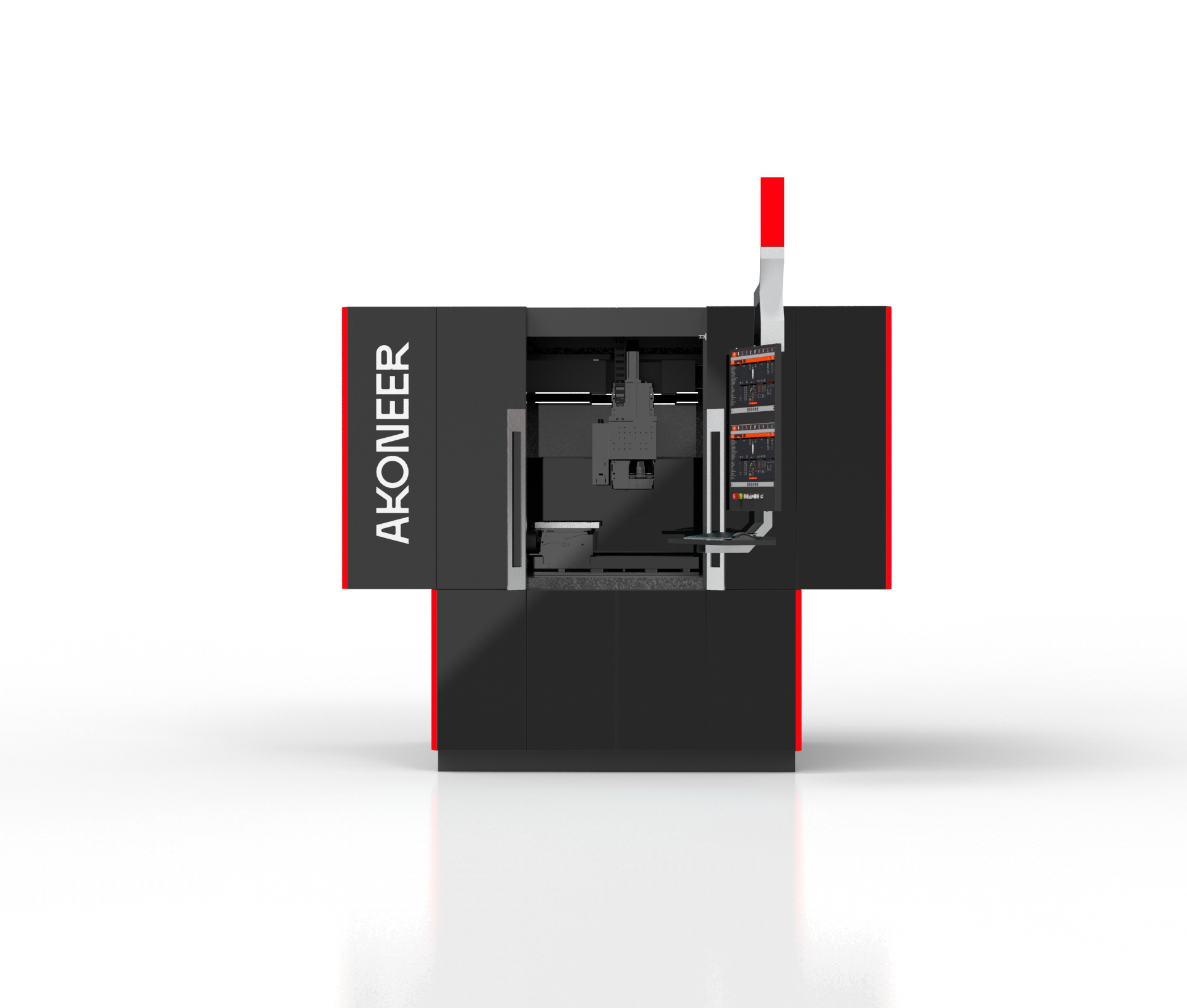
Laser etching is a versatile and efficient method used to create permanent marks on a wide range of materials. It is a subset of laser marking, a process that also includes laser engraving and laser ablation. Each of these techniques uses a laser beam to alter the surface of a material, but laser etching is distinct in its approach and applications. This article provides an in-depth exploration of laser etching, its mechanism, applications, and advantages.
Understanding the mechanism of laser etching
Laser etching uses a high-energy laser beam to heat the surface of a material, causing it to expand and create a raised mark without removing material. The focused light beam alters the surface's color and texture. Computer software precisely controls the laser's intensity, speed, and movement, allowing for intricate designs. Unlike laser engraving, which removes material, etching is generally faster and more suited for materials requiring minimal surface alteration. The depth of the mark is typically less than 0.001 inches, ideal for applications needing subtle but permanent markings.
Materials suitable for laser etching
Laser etching can be applied to metals, plastics, ceramics, and glass. Each material responds differently, requiring tailored laser type and settings. Metals like stainless steel and aluminum are commonly etched using fiber lasers, capable of producing high-contrast markings resistant to wear and corrosion. Plastics often require CO2 lasers to create clear, legible marks without damage. Glass and ceramics can be etched, though specialized equipment is needed to prevent cracking or shattering. Typical laser power ranges from 20 to 100 W, with repeatability often at ±0.02 mm.
Applications of laser etching across industries
Laser etching is used in numerous industries due to its precision and versatility. In the automotive industry, it marks parts with serial numbers and barcodes, ensuring traceability and quality control. The medical industry relies on laser etching to label surgical instruments and implants with critical information without compromising material integrity. In electronics, laser etching marks circuit boards and components with identification codes for easy tracking during manufacturing. The jewelry industry benefits from creating intricate designs on delicate materials such as gold and silver. Additionally, laser etching is used in the production of trophies, awards, and personalized gifts.
Advantages of laser etching
The advantages of laser etching include precision, efficiency, and adaptability. It creates high-quality, permanent marks that withstand harsh environments and wear, ideal for applications where durability is critical. The non-contact nature prevents mechanical stress, essential for delicate materials. Its high level of automation allows for rapid production with consistent outcomes, crucial for large-scale manufacturing. Moreover, laser etching is environmentally friendly, as it doesn't involve inks, chemicals, or consumables, reducing waste and environmental impact.
Considerations and limitations
While laser etching offers numerous benefits, there are considerations and limitations. The initial investment in equipment can be substantial, particularly for high-quality systems with advanced features. However, long-term cost savings and efficiency gains often justify this expense. The process may not suit all materials or applications; certain plastics may discolor or damage. Careful material selection and testing ensure compatibility. Additionally, laser etching isn't ideal for deep engravings or removing large material volumes, where traditional engraving or laser engraving may be more appropriate.
Future trends in laser etching
As technology advances, the capabilities and applications of laser etching are expected to expand. Innovations in laser technology, such as more powerful and efficient laser sources, will enhance precision and speed. Integration with other manufacturing technologies, like additive manufacturing and robotics, will drive new possibilities, enabling more complex and customized designs. This convergence will enhance the value of laser etching in various industries. Pratt & Whitney, a leader in the aerospace sector, has adopted laser etching to mark engine components, improving traceability and reducing maintenance times by 30%.
Laser etching remains a crucial technology with broad applications across multiple sectors. Its ability to deliver precise, durable, and environmentally friendly markings ensures its continued relevance in an ever-evolving industrial landscape.