Laser etch glass
Laser etching offers a detailed, efficient method for creating intricate designs on glass, benefiting industries from manufacturing to art with its non-contact, environmentally friendly process.
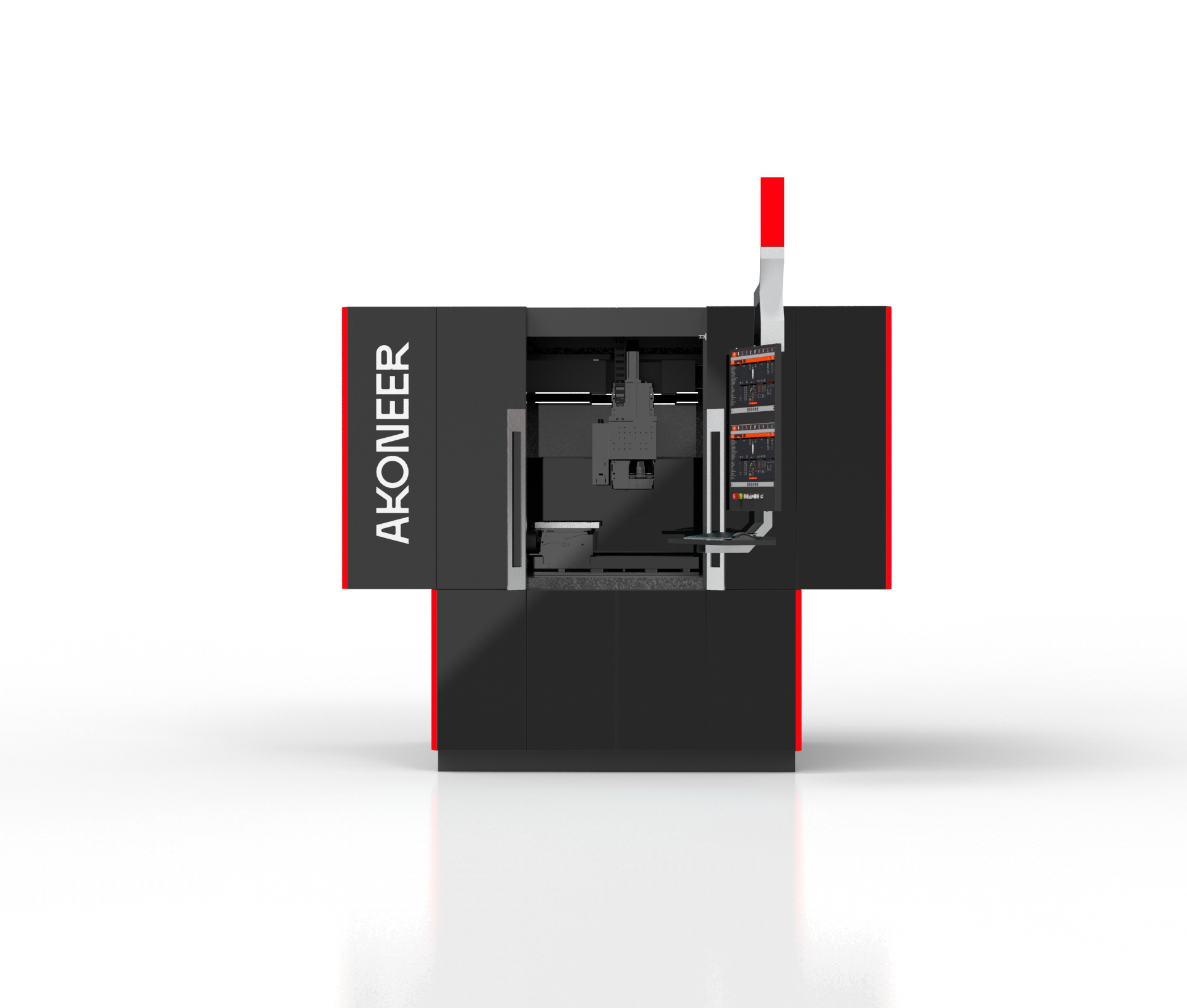
The process of laser etching glass has revolutionized various industries by offering a precise, efficient, and versatile method for creating intricate designs and markings on glass surfaces. Laser etching uses concentrated beams of light to produce detailed patterns, logos, text, and images on glass. This technology finds applications in sectors ranging from manufacturing to art, providing durable and aesthetically pleasing results.
Understanding the science behind laser etching
Laser etching operates by focusing a high-powered laser beam, typically between 2-6 kW, onto a small area of the glass surface. This intense energy creates micro-abrasions that alter the glass texture without penetrating it. The laser's precision, with repeatability as fine as ±0.02 mm, allows for exact control over the etching depth and width, resulting in high-quality designs with fine details. The process is non-contact, reducing equipment wear and minimizing the risk of glass damage.
Applications across industries
The versatility of laser etching makes it suitable for numerous applications. In manufacturing, it marks serial numbers, barcodes, and logos on glass products, providing a permanent solution resistant to wear, chemicals, and environmental factors. Artists use laser etching to produce intricate patterns on glass, adding value and uniqueness to their work. The precision is also ideal for creating custom glassware for personal or commercial use. A notable example is the use of laser etching by the company TroGlass, which enhances branding on glass awards and trophies, leading to a 20% increase in customer satisfaction due to the improved durability and clarity of designs.
Advantages over traditional methods
Traditional glass etching techniques, such as sandblasting and acid etching, have limitations in precision, safety, and environmental impact. Laser etching offers several advantages over these methods. Its precision allows for intricate designs difficult to achieve traditionally. Additionally, laser etching is a clean process that doesn't use harmful chemicals, making it safer for operators and more environmentally friendly. The non-contact nature also reduces the risk of breaking or damaging the glass.
The role of technology in advancing laser etching
Technological advancements have significantly enhanced laser etching capabilities. Modern laser machines feature sophisticated software, including computer-aided design (CAD) programs, allowing precise control over the etching process and ensuring consistent, high-quality results. Advances in laser technology have led to more efficient and cost-effective machines, making laser etching accessible to a broader range of industries and businesses.
Considerations and challenges
While laser etching offers numerous benefits, it isn't without challenges. The initial cost of laser etching equipment can be significant, but long-term benefits in efficiency and quality often outweigh this investment. Another challenge is the learning curve associated with mastering the equipment and software. Operators need training to use the machines effectively. Additionally, not all glass types are equally suitable for laser etching. Factors like glass composition and thickness can affect etching quality, making it essential to test samples before large-scale projects to ensure compatibility and optimal results.
Future prospects of laser etching in glass
The future of laser etching in the glass industry is promising, with ongoing research and development aimed at enhancing technology. Innovations focus on improving etching speed and efficiency while maintaining precision. Integrating artificial intelligence and machine learning into laser systems is expected to expand laser etching capabilities, enabling even more complex designs. Alongside technological advancements, there is growing interest in sustainable and environmentally friendly manufacturing practices. Laser etching aligns with these trends due to its non-contact and chemical-free nature. As industries seek greener alternatives, demand for laser etching is likely to increase.
In summary, laser etching glass is a powerful, versatile technology transforming how industries approach glass decoration and marking. Its precision, efficiency, and environmental benefits make it an attractive option for numerous applications. As technology continues to advance, laser etching is poised to play an increasingly important role in both industrial and artistic fields, driving innovation and creativity in the use of glass.