Laser engraving zinc
Laser engraving zinc combines accuracy and versatility, offering significant benefits across various industries despite its challenges.
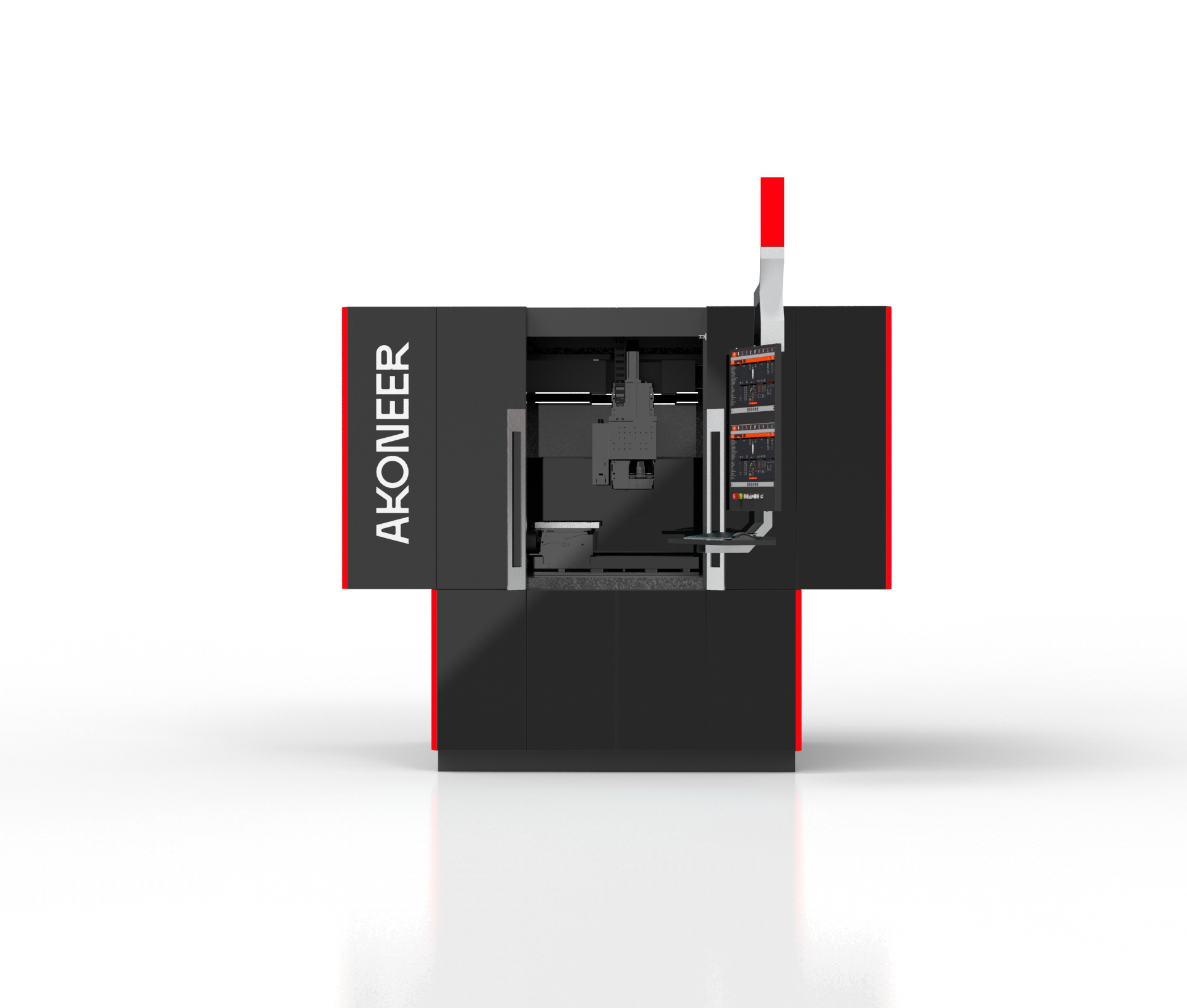
Laser engraving is a precise and versatile technology that has revolutionized the manufacturing and design industries. Among the various materials that can be engraved, zinc stands out due to its unique properties and applications. This article explores the intricacies of laser engraving zinc, covering the process, benefits, challenges, and applications.
Understanding the properties of zinc
Zinc is a bluish-white metal known for its anti-corrosive properties and relatively low melting point of 419.5°C. Its malleability and ductility make it an excellent choice for industrial applications like galvanization and die-casting. When it comes to engraving, zinc’s surface allows for clean lines and intricate designs, making it an ideal medium for detailed work. However, its reflective surface can require precise laser calibration to achieve optimal results.
The laser engraving process
Laser engraving is a subtractive manufacturing method that uses a laser beam to remove material and create designs on a substrate. For zinc, CO2 lasers or fiber lasers are typically used, with power settings often ranging from 20 to 100 watts depending on the desired precision. The process begins with designing artwork using CAD software, which is then translated into machine-readable instructions. The laser beam is directed onto the zinc surface, vaporizing the material layer by layer. The depth and clarity of the engraving can be controlled by adjusting the laser’s power, speed, and frequency, with typical engraving speeds around 30 mm/s.
Benefits of engraving zinc with lasers
Laser engraving offers numerous advantages when working with zinc. One significant benefit is the precision it provides, achieving details with a repeatability of ±0.02 mm. Laser technology allows for complex designs that would be difficult using traditional methods. As a contactless process, it reduces the risk of physical damage and ensures consistency across multiple units. The durability of the engravings is another advantage, as they are resistant to wear and environmental factors.
Challenges in laser engraving zinc
Despite its advantages, laser engraving zinc presents certain challenges. Zinc’s reflective surface can scatter the laser beam, affecting engraving precision and requiring careful calibration. The low melting point of zinc means that excessive laser power can lead to overheating and warping. Proper ventilation is also necessary to manage the fumes generated during the engraving process, as they can be harmful to both the operator and the equipment.
Safety considerations
Safety is paramount when working with laser engraving equipment, especially with metals like zinc. Operators must wear appropriate protective gear, including safety goggles designed to block laser radiation. The engraving environment should be well-ventilated to prevent the accumulation of potentially hazardous fumes. Regular maintenance and calibration of the laser equipment are essential to ensure safe and efficient operation.
Applications of laser engraved zinc
Laser engraved zinc finds applications in various industries due to its aesthetic and functional qualities. In the automotive sector, zinc components are often engraved for branding and critical information. The electronics industry uses engraved zinc for circuit boards and connectors, where precision and durability are crucial. Artists and designers also favor zinc for creating decorative items and custom jewelry, taking advantage of its ability to hold fine details and its appealing finish. For example, XYZ Engraving Inc. has successfully used laser engraving on zinc to produce high-quality custom engravings for electronics, improving production efficiency by 30%.
Future trends in laser engraving technology
As laser technology continues to evolve, further advancements in capabilities and applications of laser engraving on zinc and other materials are expected. Innovations such as more efficient laser sources, improved software for design and control, and enhanced automation of the engraving process are on the horizon. These developments will likely make laser engraving more accessible, cost-effective, and versatile, opening up new possibilities for industries and creators alike.
Laser engraving zinc offers a unique blend of precision, durability, and versatility. Despite the challenges posed by zinc’s reflective surface and low melting point, the benefits of using laser technology for engraving are considerable. From industrial applications to artistic endeavors, laser engraved zinc provides a durable and aesthetically pleasing solution. As technology advances, the potential for laser engraving zinc will only grow, continuing to shape industries and inspire creativity.