Laser engraving for traceability
Laser engraving is a vital tool for enhancing traceability in manufacturing, offering durability and versatility for marking products across various industries.
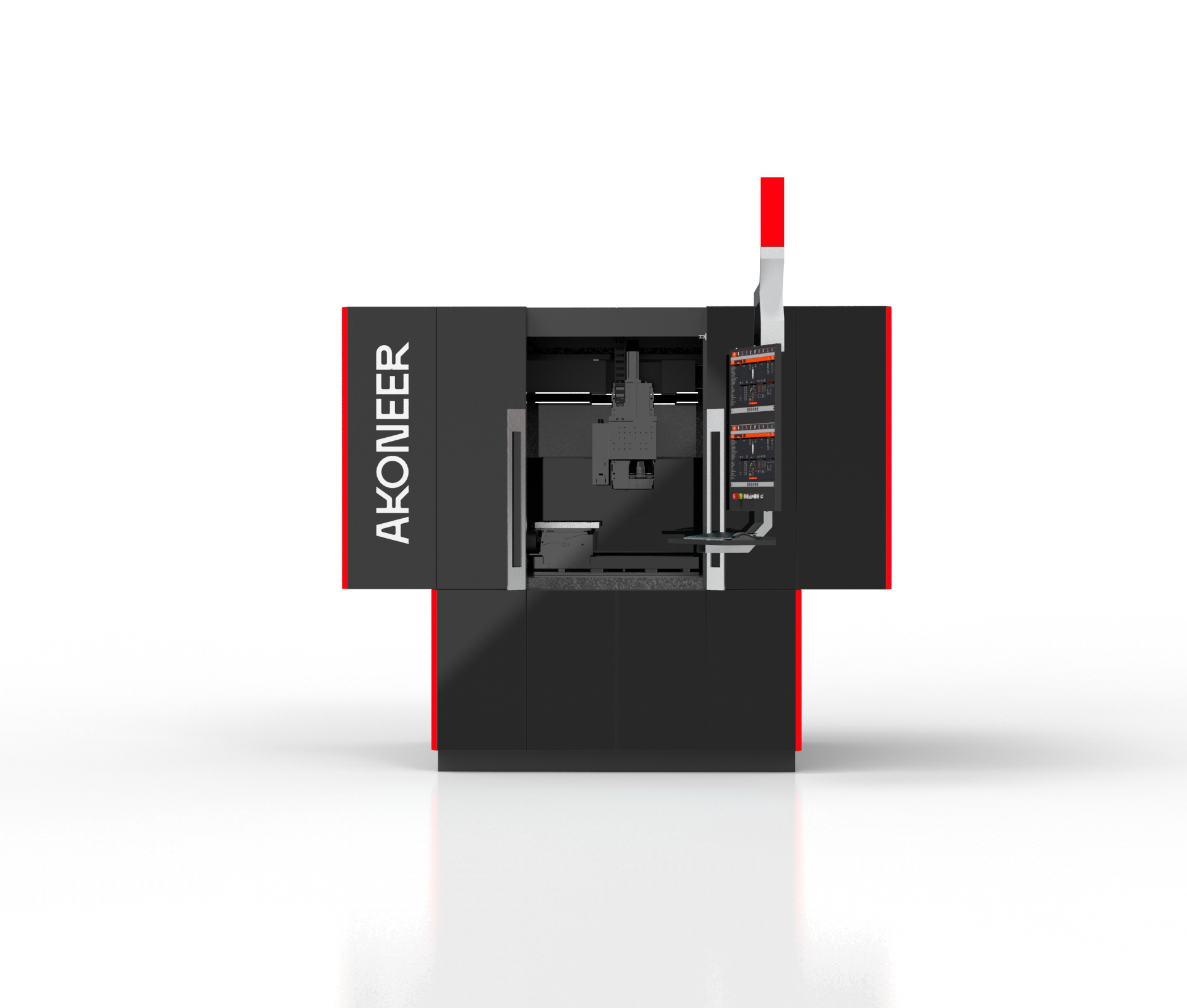
Traceability has become a vital aspect of modern manufacturing and logistics, ensuring that products can be tracked throughout the supply chain. This capability is essential for quality control, regulatory compliance, and consumer safety. One of the most effective methods to achieve traceability is through laser engraving. This technology offers a precise, durable, and versatile solution for marking products with essential information. In this article, we explore how laser engraving enhances traceability, the benefits it offers, and its application across various industries.
The importance of traceability in manufacturing
Traceability is crucial for several reasons. It allows manufacturers to track a product's journey from raw materials to consumer delivery, managing recalls and maintaining quality assurance. For industries like automotive, aerospace, and pharmaceuticals, traceability is a necessity. It helps pinpoint defect origins, ensures quality standards, and provides a clear product history. In the complex supply chain environment, traceability facilitates transparency and accountability.
How laser engraving enhances traceability
Laser engraving plays a significant role in enhancing traceability by providing a reliable method for marking products with essential data. This technology uses a focused beam of light to engrave information directly onto the surface of an item, resulting in permanent markings that resist wear and tear. Laser engraving can encode information such as serial numbers, barcodes, QR codes, and logos. This versatility suits various materials, including metals, plastics, ceramics, and glass. For instance, a typical laser engraving system operates at 2–6 kW power, achieving repeatability of ±0.02 mm and marking at speeds of up to 30 meters per minute.
Benefits of laser engraving for traceability
The precision of laser engraving allows for the creation of high-resolution marks that are easily readable by both humans and machines. This accuracy ensures even small components can be marked effectively, crucial for industries like electronics and medical devices, where space is limited. The durability of laser engravings means they withstand harsh conditions, including extreme temperatures, chemicals, and abrasion, maintaining traceability throughout a product's lifespan.
Moreover, laser engraving is a contactless process, minimizing the risk of damaging the product during marking. This quality is especially important for delicate or high-value items. Additionally, laser engraving is a cost-effective solution, eliminating the need for consumables like ink or labels and reducing long-term operational costs. The efficiency of laser engraving systems allows for high-speed marking, increasing throughput without compromising quality.
Applications across various industries
Laser engraving for traceability finds applications in a wide range of industries due to its adaptability and precision. In the automotive sector, parts and components are marked with identification numbers and codes to ensure traceability from manufacturing to assembly. This capability aids in quality control and helps manage recalls effectively. In the aerospace industry, laser engraving marks critical components with serial numbers and manufacturing data, ensuring compliance with stringent regulatory standards.
In the pharmaceutical industry, traceability is essential for ensuring patient safety and meeting regulatory requirements. Laser engraving provides a reliable method for marking packaging and containers with batch numbers, expiration dates, and regulatory codes, ensuring products can be tracked throughout the supply chain and preventing counterfeit products from entering the market.
The electronics industry also benefits from laser engraving, allowing for the precise marking of small components with identification codes and branding. This capability is crucial for quality control and inventory management, ensuring components can be traced back to their source. For example, Siemens utilizes laser engraving to mark electronic components, improving traceability and reducing recall costs by 20%.
Future prospects and technological advancements
The future of laser engraving for traceability looks promising, with ongoing advancements in technology enhancing its capabilities. Innovations in laser technology, such as fiber lasers and ultrafast lasers, offer even greater precision and efficiency, enabling the marking of intricate designs and data on a wider range of materials. The integration of laser engraving systems with digital technologies, such as the Internet of Things (IoT) and blockchain, can further enhance traceability by providing real-time tracking and secure data storage.
As industries continue to embrace sustainability, laser engraving offers an environmentally friendly alternative to traditional marking methods. Its contactless nature and lack of consumables contribute to reducing waste and minimizing the environmental impact of manufacturing processes.
The role of laser machine manufacturers
As a laser machine manufacturer, we play a pivotal role in advancing traceability through innovation and quality. Providing industries with state-of-the-art engraving systems, we enable businesses to enhance their traceability practices and meet the demands of an increasingly complex supply chain. Our commitment to research and development ensures that our systems evolve with industry needs, offering unmatched precision, reliability, and efficiency.
In summary, laser engraving is an indispensable tool for traceability in modern manufacturing. Its precision, durability, and versatility make it an ideal solution for marking products with essential information, ensuring they can be tracked throughout their lifecycle. As industries continue to prioritize traceability, laser engraving will remain at the forefront, providing a robust and efficient means of enhancing transparency and accountability in the supply chain.