Laser engraving tool
Laser engraving tools offer efficiency and versatility in customizing materials for various industries.
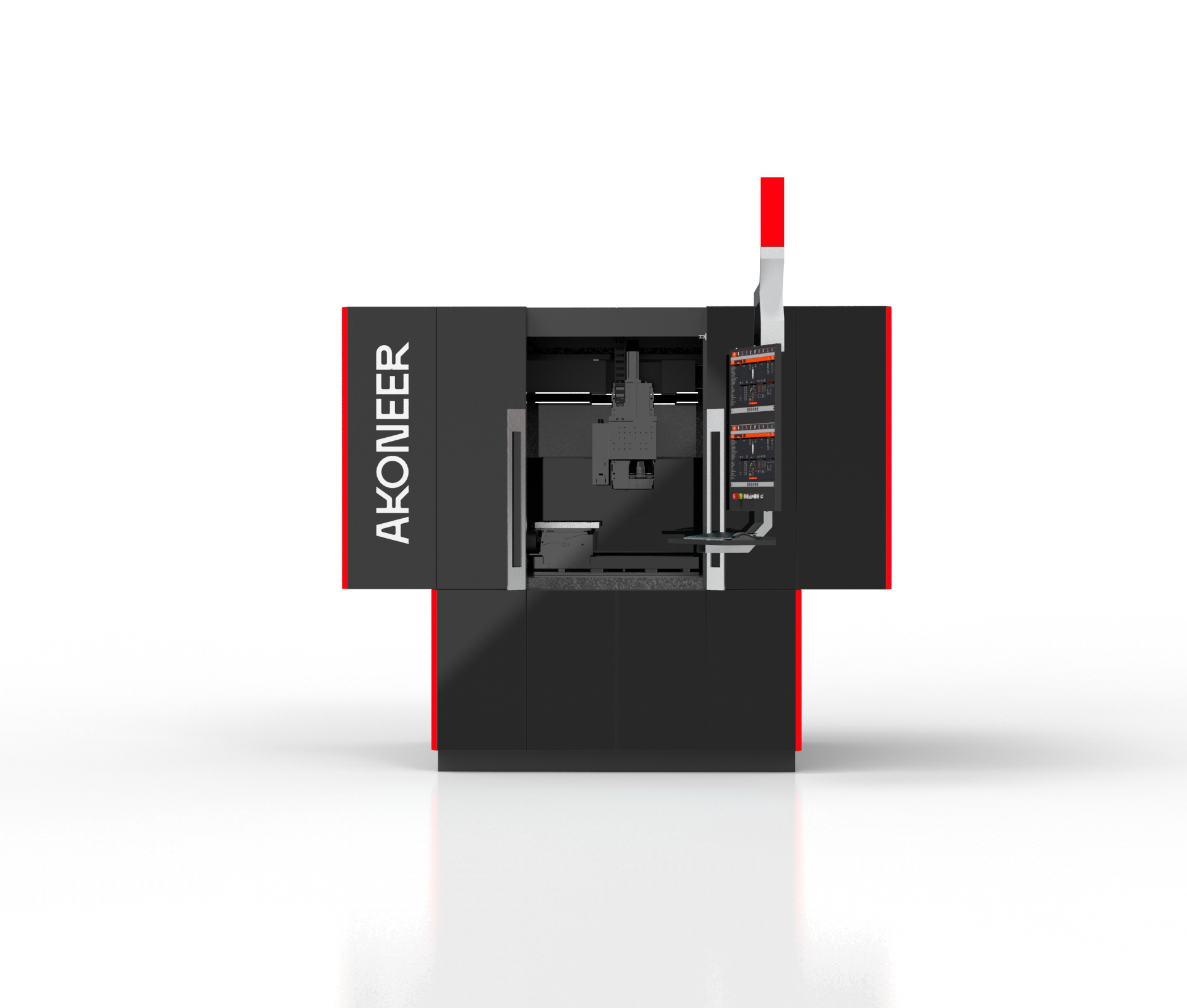
Laser engraving tools have revolutionized the way businesses and individuals customize and personalize materials, offering precision, efficiency, and versatility unmatched by traditional methods. This article explores the mechanics of laser engraving tools, the range of materials they can work with, their applications across various industries, and the factors to consider when choosing one.
Understanding the mechanics of laser engraving tools
Laser engraving tools project a focused beam of light onto a material's surface, powerful enough to remove layers and leave a precise, permanent mark. A computer typically controls the laser's movement, enabling intricate designs and high accuracy. The process involves three components: the laser, the controller, and the surface. The laser generates the beam, the controller directs its movement, and the surface is the material being engraved. Operators can adjust the laser's intensity, speed, and focus to control the engraving's depth and quality. For instance, a typical laser engraving tool might offer a power range of 30–120 watts and a repeatability of ±0.02 mm, allowing for highly detailed work.
Material compatibility and versatility
Laser engraving tools are compatible with a wide range of materials, including metals, plastics, wood, glass, leather, and certain fabrics. Metals like aluminum, stainless steel, and titanium are often engraved for industrial use, while materials like wood and acrylic are popular for artistic purposes. Precise control over the laser's intensity enables glass engraving, often used for awards, without causing cracks. This versatility makes laser engraving valuable in both commercial and personal settings.
Applications across various industries
Laser engraving tools have diverse applications across industries, each utilizing the technology uniquely. In manufacturing, they mark parts with serial numbers or barcodes essential for quality control and inventory management. In jewelry, they create intricate designs on rings and bracelets without risking material damage. The advertising industry benefits by producing custom-branded items like pens and awards. The rise of personalized gifts has made laser engraving popular for unique products, such as engraved cutting boards. For instance, Trotec Laser, a leading manufacturer, reports increased productivity by reducing production time by up to 70% using their Speedy 400 model.
Factors to consider when choosing a laser engraving tool
Choosing the right laser engraving tool requires considering several factors. First, the type of laser technology is crucial; CO2 lasers are ideal for non-metallic materials like wood and acrylic, while fiber lasers excel with metals. The work area's size determines the maximum material size that can be engraved, making larger areas essential for businesses handling big items. Power output is also significant; higher wattage lasers, such as those with 60 watts or more, engrave deeper and faster, benefiting high-volume operations. Software compatibility and ease of use are important, especially for businesses needing frequent design changes.
Advantages over traditional engraving methods
Laser engraving offers several advantages over traditional methods. It provides a precision level hard to achieve with manual techniques. The computer-controlled process allows consistent reproduction of complex designs, reducing human error. As a contactless process, it avoids wear and tear on tools, lowering maintenance costs. The speed of laser engraving enables quick completion of large batches. Moreover, its ability to work with various materials without tool changes makes it a highly efficient and flexible option.
Environmental and safety considerations
While laser engraving tools offer many benefits, users must be aware of environmental and safety considerations. Engraving can produce fumes and particles, especially with plastics and metals, necessitating proper ventilation and exhaust systems. Operators must wear appropriate safety gear, like goggles, to protect against laser exposure. Environmentally, laser engraving is more sustainable than traditional methods, producing less waste and consuming less energy. However, businesses should aim to use eco-friendly materials and disposal methods whenever possible.
The future of laser engraving tools
The future of laser engraving tools looks promising, with technological advancements expanding capabilities. Innovations such as faster processing speeds, improved precision, and enhanced software integration are likely to drive further industry adoption. The development of more compact and affordable models will make laser engraving accessible to a wider range of users, including small businesses and hobbyists. As technology evolves, new applications and opportunities for laser engraving will emerge, solidifying its role as a versatile and indispensable tool in both commercial and creative endeavors.
Laser engraving tools offer unmatched precision, versatility, and efficiency. Their ability to work with diverse materials and applications across various industries makes them a valuable investment for businesses and individuals alike. By understanding the mechanics, material compatibility, and factors to consider when choosing a tool, users can harness the full potential of laser engraving technology.