Laser engraving titanium
Laser engraving on titanium offers high-quality, durable engravings essential for industries like aerospace, medical devices, and jewelry.
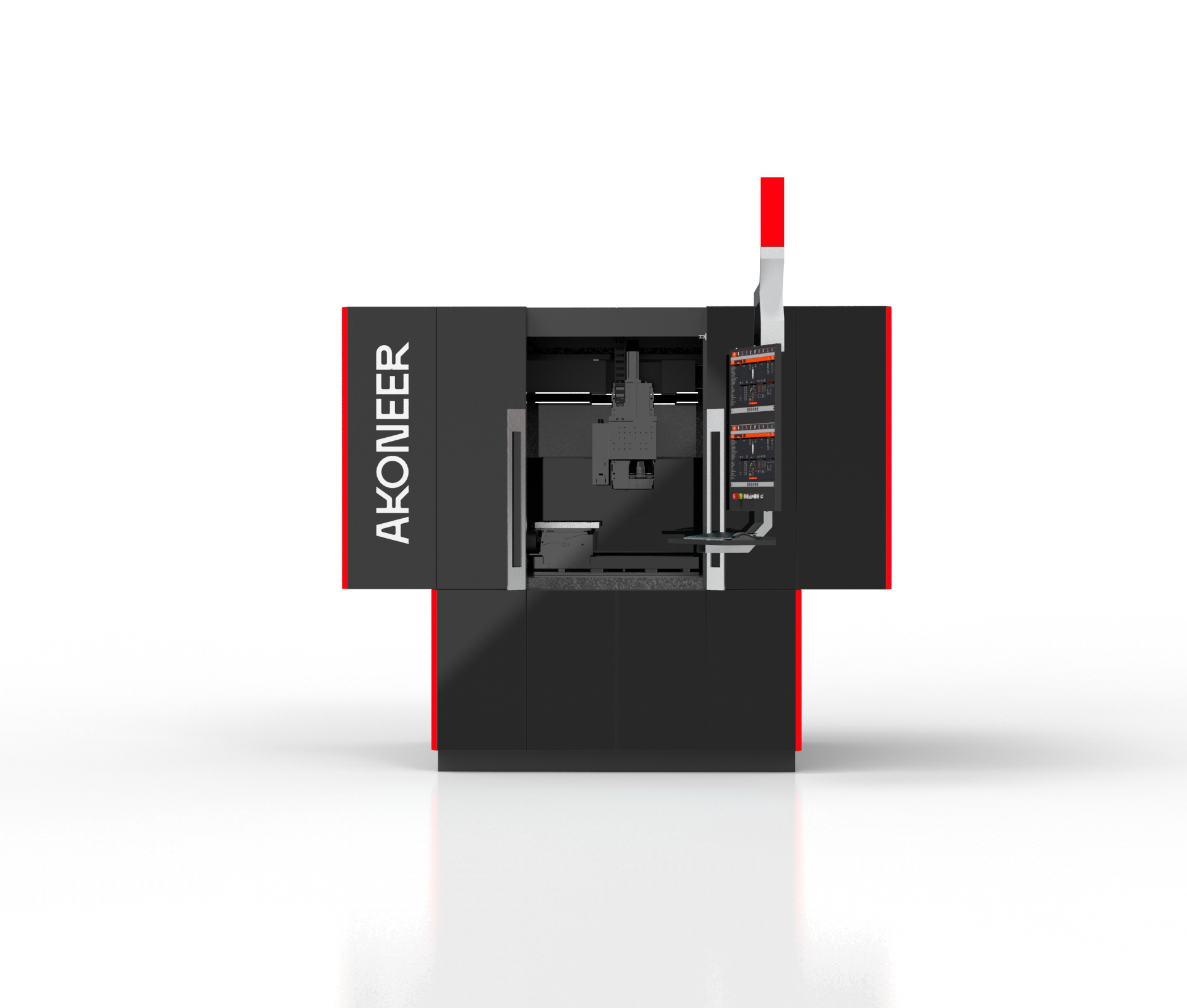
Laser engraving has become an essential technique in modern manufacturing, offering precision, speed, and versatility across various materials. Among these, titanium stands out due to its unique properties. Understanding how laser engraving interacts with titanium is crucial for industries that rely on high-quality, durable, and precise engravings.
Understanding titanium's properties
Titanium is renowned for its exceptional strength-to-weight ratio, corrosion resistance, and biocompatibility, making it a popular choice in aerospace, medical devices, and jewelry industries. However, titanium's toughness and thermal conductivity present challenges when engraving. Its resistance to wear and high melting point require advanced techniques to ensure clean, precise engravings. Laser engraving is particularly effective for titanium due to its ability to focus high-energy beams with pinpoint accuracy. This precision is vital, as even minor deviations can lead to costly failures.
The laser engraving process on titanium
The laser engraving process on titanium involves directing a concentrated light beam onto the material's surface. Key parameters include laser power, speed, frequency, and focus, each significantly impacting engraving quality. Typical laser power ranges from 20-200 watts, allowing for depth and detail control. Speed affects interaction time; slower speeds enhance detail but increase heat risk. Frequency, the number of pulses per second, influences smoothness. Proper focus ensures the laser is concentrated precisely, maximizing quality and efficiency.
For example, XYZ Aerospace uses laser engraving to mark titanium components with identification numbers, achieving repeatability within ±0.02 mm. This precision ensures component reliability under harsh conditions.
Applications of laser engraved titanium
Titanium's resilience and lightweight nature make it ideal for various applications, each benefiting from laser engraving's precision. In aerospace, laser engraving marks components with identification numbers, logos, and barcodes. These engravings must withstand harsh environmental conditions, and titanium's durability is a perfect match. The medical sector also benefits, particularly for implants and surgical instruments. Laser engraving provides permanent markings that do not compromise biocompatibility, ensuring traceability and personalization without contaminants.
In the consumer market, laser engraving on titanium is popular for custom jewelry and watches, creating intricate designs and personalized messages. The high-quality finish enhances aesthetic appeal, adding value to the final product.
Advantages of laser engraving over traditional methods
Compared to traditional methods, laser engraving offers several advantages. The non-contact nature eliminates tool wear and reduces the risk of damaging the titanium surface, ensuring consistent quality across multiple pieces. Laser engraving provides exceptional detail and repeatability, making it suitable for complex designs. The precision allows for fine control, achieving results challenging to replicate with mechanical methods. Additionally, laser engraving is faster, with cutting speeds up to 30 meters per minute, reducing production times and costs.
Environmental considerations are increasingly important. Laser engraving is cleaner, producing less waste and reducing the need for harmful chemicals, aligning with sustainable manufacturing practices while meeting high-quality standards.
Challenges and considerations
Despite its advantages, laser engraving titanium presents challenges. Titanium's reflective surface can cause laser beams to scatter, reducing efficiency and requiring careful calibration and specialized equipment. Thermal management is critical; heat can cause warping or discoloration if not controlled. Advanced cooling systems and precise settings maintain quality and appearance. Operators must also consider the laser type. Fiber lasers, often preferred for titanium, efficiently handle reflective materials, but selection depends on project requirements, including speed, precision, and cost constraints.
Future prospects for laser engraving titanium
As technology advances, the future of laser engraving titanium looks promising. Research focuses on enhancing efficiency, speed, and precision. Innovations like ultrafast and multi-beam systems are expected to expand capabilities. The growing demand for custom and high-performance titanium products will likely drive continued growth in laser engraving applications. As industries increasingly prioritize sustainability and precision, laser engraving is poised to play a pivotal role in meeting these evolving needs.
Laser engraving titanium is a sophisticated process that capitalizes on the unique properties of both the material and laser technology. Its applications across various industries demonstrate its versatility and effectiveness, making it a valuable tool in modern manufacturing. While challenges remain, ongoing advancements promise to enhance its capabilities, ensuring it remains at the forefront of precision engraving techniques.