Laser engraving technology
Laser engraving technology enhances engraving practices with improved accuracy and efficiency, serving diverse industries from manufacturing to the arts.
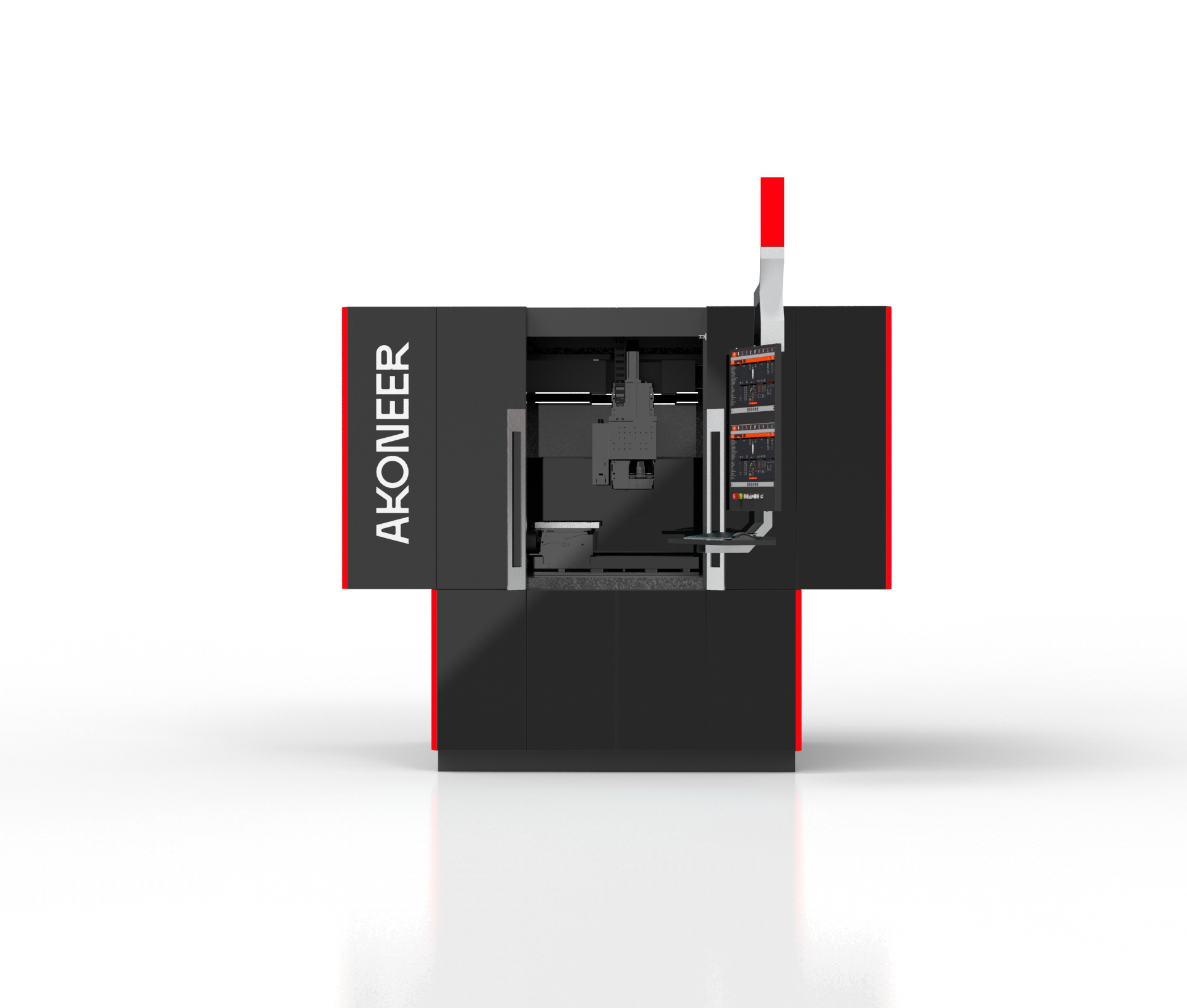
Laser engraving technology has transformed engraving practices by offering unmatched precision and efficiency over traditional methods. It uses a laser beam to remove material from a surface, creating a permanent mark or design. This versatile technology is employed in various industries, including manufacturing, healthcare, and the arts.
The basics of laser engraving
Laser engraving focuses a high-powered laser beam onto a material’s surface, vaporizing or ablating the material to create a precise mark. The process is governed by computer software, which ensures high accuracy and repeatability. Operators can adjust the laser’s intensity, speed, and focus to accommodate materials like metals, plastics, wood, and glass. Typical parameters include a laser power of 2–6 kW and a repeatability of ±0.02 mm.
Different laser types like CO2 lasers, fiber lasers, and diode lasers are selected based on material compatibility. CO2 lasers are often used for non-metallic materials like wood and acrylic, while fiber lasers are ideal for metals. Diode lasers, although less powerful, are employed for engraving on plastics and organic materials.
Applications across industries
Industries benefit from laser engraving's adaptability. In manufacturing, it's used to mark parts and tools with serial numbers, barcodes, and logos, aiding traceability and branding. This ensures that products can be tracked throughout their lifecycle, providing quality control and counterfeit prevention.
In healthcare, laser engraving is essential for marking surgical instruments and medical devices. Its precision ensures legible and durable markings, even after repeated sterilization. This is crucial for meeting regulatory standards and ensuring patient safety.
The arts and crafts sector also leverages laser engraving technology. Artists and designers create intricate patterns and designs on various materials, promoting creativity without sacrificing precision. The technology supports mass production of custom designs, facilitating the creation of personalized items like jewelry and home décor.
Advantages of laser engraving
One key advantage of laser engraving is its high precision, enabling intricate designs with fine details difficult to achieve through traditional methods. The process's repeatability ensures consistent results across multiple items.
Laser engraving is a non-contact process, meaning the laser does not physically touch the material being engraved. This reduces the risk of damage or distortion, especially on delicate or thin materials. Additionally, because the process is computer-controlled, it minimizes human error, leading to higher quality outputs.
The technology's versatility is another significant asset. It can be used on a wide range of materials, from metals and plastics to wood and glass. This adaptability is enhanced by the ease of switching between designs and materials, thanks to its software-driven nature.
Challenges and considerations
Despite its advantages, laser engraving technology presents certain challenges. The initial cost of a laser engraving machine can be high, posing a barrier for small businesses or hobbyists. Operating the machinery requires technical knowledge and training to ensure safety and efficiency.
Material compatibility is another consideration. While laser engraving is highly versatile, not all materials respond well to laser processing. For example, some plastics may release harmful fumes when engraved, necessitating adequate ventilation and safety measures.
Regular maintenance is crucial for optimal performance, including cleaning the laser lens and mirrors and recalibrating the equipment periodically. Neglecting maintenance can lead to reduced engraving quality and equipment failure.
The future of laser engraving technology
As technology advances, laser engraving is poised to become even more integral to various industries. Developments in laser technology, such as increased power and efficiency, will expand the range of materials that can be engraved and improve processing speeds. For instance, cutting speeds can reach up to 30 m/min, making mass production more feasible.
Advancements in software will enhance design capabilities, simplifying the creation of complex and detailed engravings. The integration of artificial intelligence and machine learning into laser engraving systems holds promise for further automation and customization. These technologies could enable machines to learn from previous engravings, optimizing settings for improved quality and efficiency.
In summary, laser engraving technology is a powerful tool with a wide range of applications. Its precision, versatility, and efficiency make it an invaluable asset across industries. As technology continues to evolve, laser engraving will undoubtedly play an increasingly significant role in shaping the future of manufacturing, healthcare, and the arts.