Laser engraving systems
Laser engraving systems enhance efficiency and versatility across various industries by using laser technology to mark materials with high accuracy.
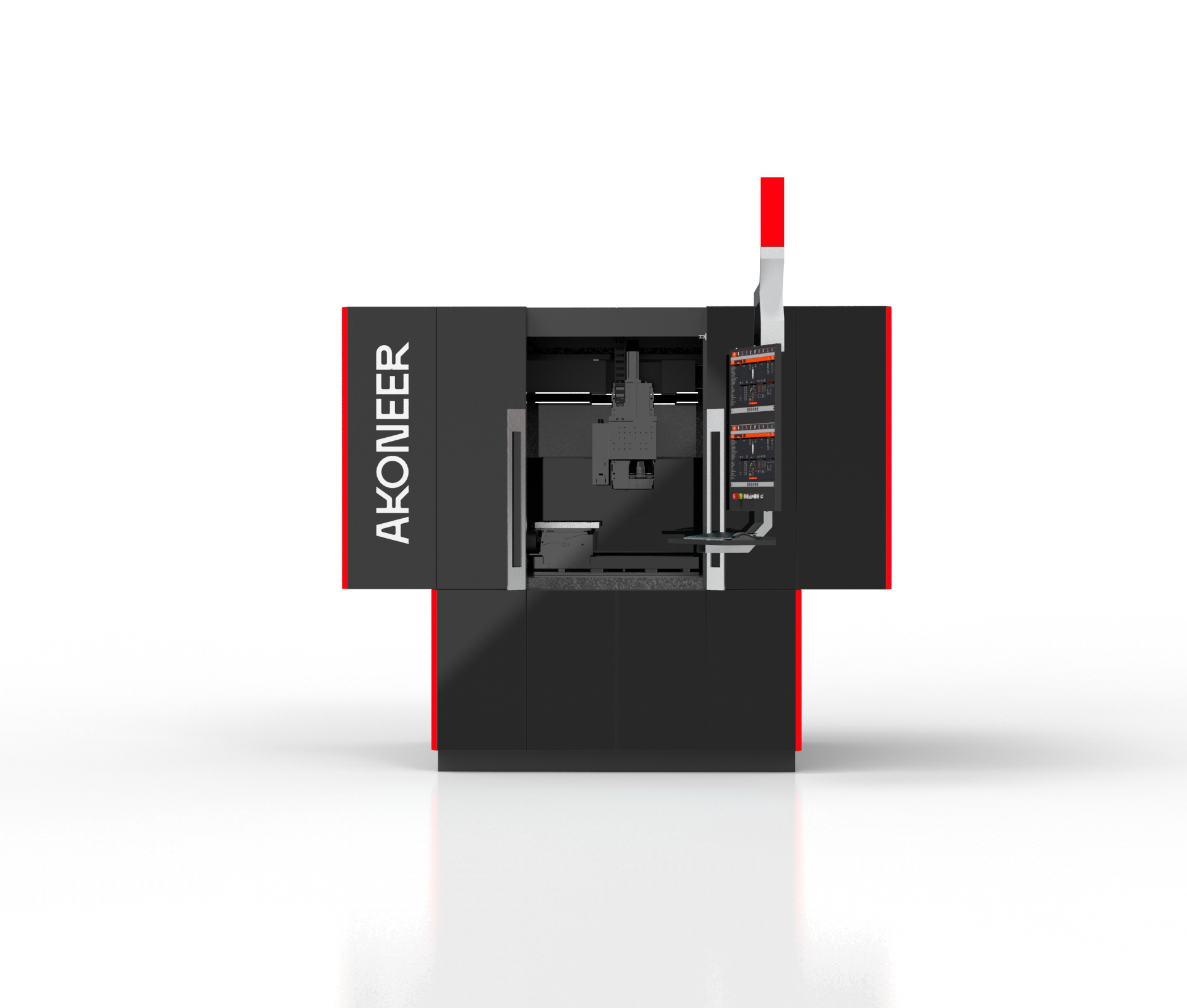
Laser engraving systems have revolutionized industries by offering precision, versatility, and efficiency. These systems utilize laser technology to etch or mark surfaces of various materials with unparalleled accuracy. Their adoption has significantly impacted sectors such as manufacturing, art, and personalization services.
How laser engraving systems work
Laser engraving systems operate by focusing a high-powered laser beam, typically ranging from 30 to 100 watts, onto the surface of a material. The concentrated light energy is absorbed, causing the material to vaporize in a controlled manner. This process removes layers, creating precise and permanent markings. Adjustments to the laser's intensity, speed, and focus allow for different depths and patterns, enabling intricate designs with remarkable detail.
The primary components of a laser engraving system include the laser source, control software, lenses, and mirrors. The laser source generates the beam, while the control software directs its path. Lenses and mirrors focus and guide the beam onto the workpiece. This combination ensures the laser can engrave with precision across materials such as metals, plastics, wood, glass, and leather, achieving repeatability of ±0.02 mm.
Applications across industries
In manufacturing, laser engraving systems are employed to create serial numbers, barcodes, and logos on products. These markings are essential for traceability, quality control, and brand recognition. For instance, BMW uses laser engravings to mark engine components, ensuring each part can be tracked throughout its lifecycle. In art and design, laser engravers enable detailed artwork that would be challenging to achieve manually. They are also popular for personalized gifts and promotional items, allowing for customization that enhances product value.
Advantages over traditional engraving methods
Laser engraving systems offer several advantages over traditional techniques. They provide higher precision and consistency, as digital control allows for exact replication without variation. This precision is crucial where small tolerances are necessary, such as in electronic component creation. Furthermore, laser engraving is a non-contact process, reducing the risk of damage to the workpiece and extending equipment lifespan, as there is no tool wear. Additionally, laser engraving is faster and more efficient, with cutting speeds up to 30 m/min, reducing production time and costs.
Environmental and economic considerations
The environmental impact of laser engraving is relatively low compared to traditional methods. Since the process involves vaporizing material rather than cutting or etching with physical tools, there is minimal waste produced. Many modern laser systems are designed to be energy-efficient, further reducing their environmental footprint. Economically, while laser engraving systems can be a significant investment, their long-term benefits often outweigh the initial costs. The efficiency and speed of laser engraving reduce labor costs, and the equipment's durability minimizes maintenance expenses, ensuring a quicker return on investment.
Choosing the right laser engraving system
Selecting the appropriate laser engraving system depends on factors such as the materials to be engraved, the size of the workpieces, and the complexity of the designs. CO2 lasers are commonly used for non-metal materials like wood and acrylic, while fiber lasers are better suited for metals, with capabilities to cut steel up to 20 mm thickness. The power of the laser also influences the speed and depth of engraving. When choosing a system, consider software compatibility and user interface. Advanced software can offer features like 3D engraving and connectivity with design programs, while a user-friendly interface ensures efficient system management.
Future trends in laser engraving technology
The future of laser engraving systems is promising, with continuous advancements enhancing their capabilities. Innovations such as increased laser power, improved beam quality, and enhanced control software are expected to further improve precision and efficiency. Moreover, integrating artificial intelligence and machine learning could lead to automated design processes and real-time adjustments, optimizing production workflows. As industries demand higher quality and customization, laser engraving systems will play a crucial role in meeting these needs. Their adaptability and precision make them invaluable tools in a wide range of applications, ensuring their continued relevance in the ever-evolving technological landscape.