Laser engraving steel
Laser engraving on steel is a versatile and durable method used across industries for marking and customization.
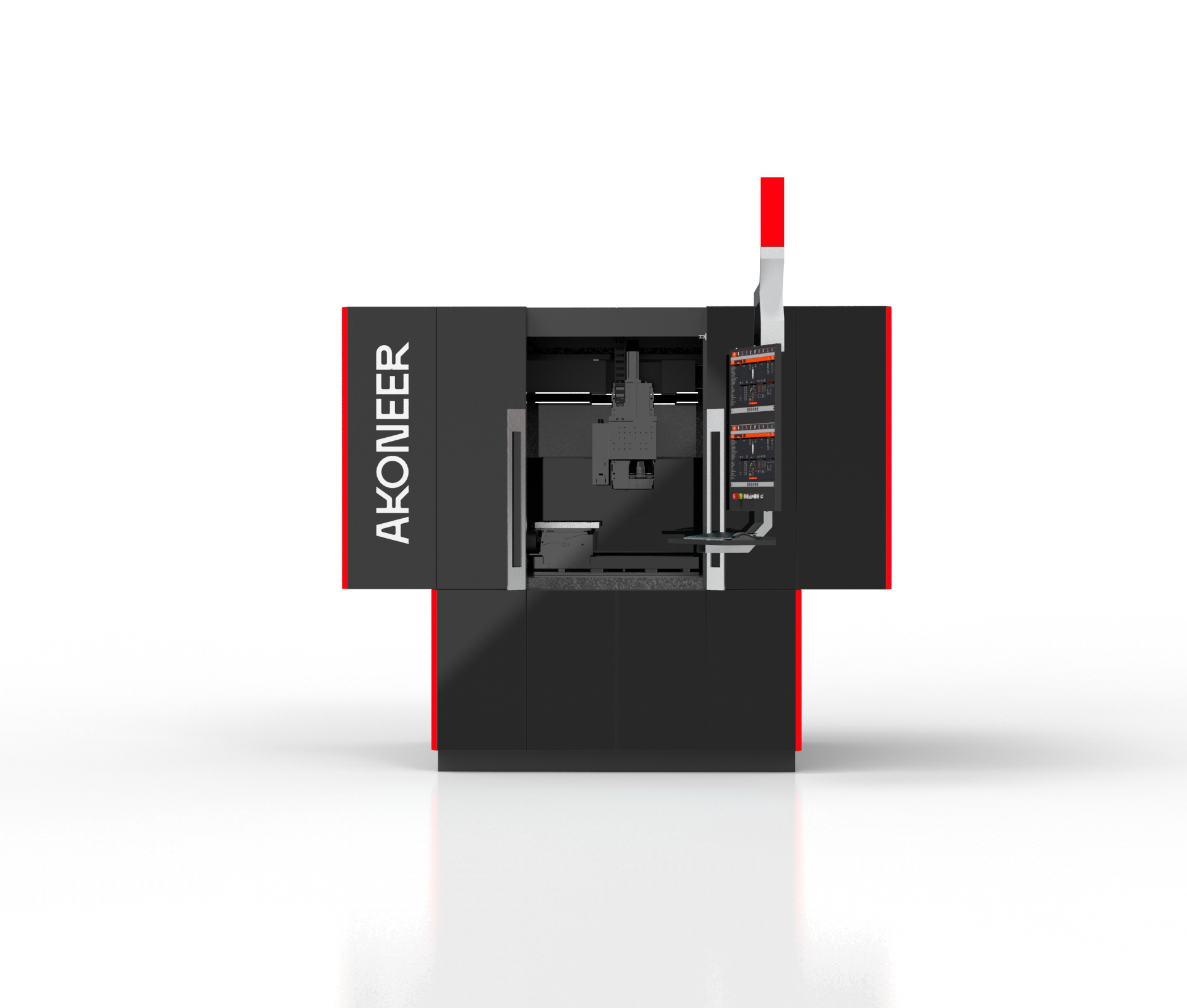
Laser engraving has become an essential technology in the manufacturing and industrial sectors due to its precision, efficiency, and versatility. When applied to steel, laser engraving provides a permanent and highly detailed method of marking. Understanding the intricacies of laser engraving on steel can aid businesses in selecting the most suitable technology for their specific needs.
Understanding laser engraving technology
Laser engraving uses focused light energy to remove material from a surface, creating a design or pattern. The high precision of the laser allows for intricate details impossible with traditional engraving methods. When the laser beam hits the steel surface, it vaporizes material, leaving a precise, clean mark. The process, controlled by a computer, ensures uniformity and consistency across multiple pieces. Typical laser systems operate with power outputs ranging from 2 to 6 kW, ensuring effective material removal.
Types of lasers used for engraving steel
Different lasers can engrave steel, each with distinct characteristics. Fiber lasers are commonly used for their ability to produce high-quality marks at fast speeds, with a typical kerf of approximately 0.1 mm. These lasers are efficient and have a longer lifespan, making them ideal for industrial applications. Although CO2 lasers can be adapted for metal engraving with the right setup, fiber lasers are preferred for steel due to superior performance and cost-effectiveness. In a notable example, aerospace company Airbus uses fiber lasers to engrave parts, enhancing traceability and quality control.
Advantages of laser engraving steel
Laser engraving on steel offers numerous benefits. One significant advantage is the permanence of the marks. Unlike printing or labeling, laser-engraved marks are resistant to wear and corrosion, making them ideal for parts that endure harsh environments. The non-contact process reduces the risk of damage or deformation, and it is highly customizable, allowing for a wide range of designs, from simple text to complex graphics, to be produced with ease. Repeatability of ±0.02 mm ensures consistency in production.
Applications in industry
Laser engraving steel is used across various industries, each benefiting from the technology’s precision and durability. In the automotive sector, manufacturers mark parts with serial numbers to ensure traceability and quality control. In aerospace, detailed, permanent marks are crucial for components that must withstand extreme conditions. The medical industry uses laser engraving for marking surgical instruments, where precision and sterility are paramount. Beyond these fields, laser engraving is employed in creating custom tools, decorative items, and branding products with logos or other intricate designs.
Challenges and considerations
Despite its many advantages, laser engraving steel presents some challenges. One issue is the reflection of the laser beam off the steel surface, which can affect engraving quality. This can be mitigated by using lasers with specific wavelengths that minimize reflection or by applying coatings to the steel surface before engraving. The initial cost of a high-quality laser engraving machine can be substantial, although the long-term benefits often justify the investment. Proper maintenance and regular calibration are necessary to ensure the longevity and performance of equipment. Typical machines can handle steel thicknesses up to 20 mm and achieve cutting speeds of 30 m min⁻¹.
Future developments in laser engraving technology
The field of laser engraving is evolving, with advancements promising even greater precision and efficiency. Research is ongoing into developing lasers with higher power outputs and improved beam quality, enabling faster processing times and more detailed engravings. Integration of artificial intelligence and machine learning into laser systems could lead to smarter, more autonomous machines that optimize operations based on real-time data. As technology advances, the potential applications for laser engraving steel are likely to expand further.
Selecting the right laser engraving system
Choosing the appropriate laser engraving system for steel involves considering several factors, including application requirements, desired detail level, and production volume. Businesses should assess the capabilities of different laser types and consult with manufacturers to determine the best fit for their needs. It's important to consider both upfront costs and long-term operational expenses, such as maintenance and energy consumption. By carefully evaluating these factors, companies can make informed decisions that maximize the benefits of laser engraving technology.
Laser engraving on steel represents a powerful tool in modern manufacturing, offering precision, durability, and versatility. As technology continues to advance, the applications and capabilities of laser engraving will only grow, providing more opportunities for industries to enhance their processes and products. Understanding the technology, its benefits, and its challenges can help businesses harness the full potential of laser engraving, ensuring they remain at the forefront of innovation and efficiency.