Laser engraving on stainless steel
Laser engraving on stainless steel offers a versatile method for creating durable, permanent marks used in diverse industries.
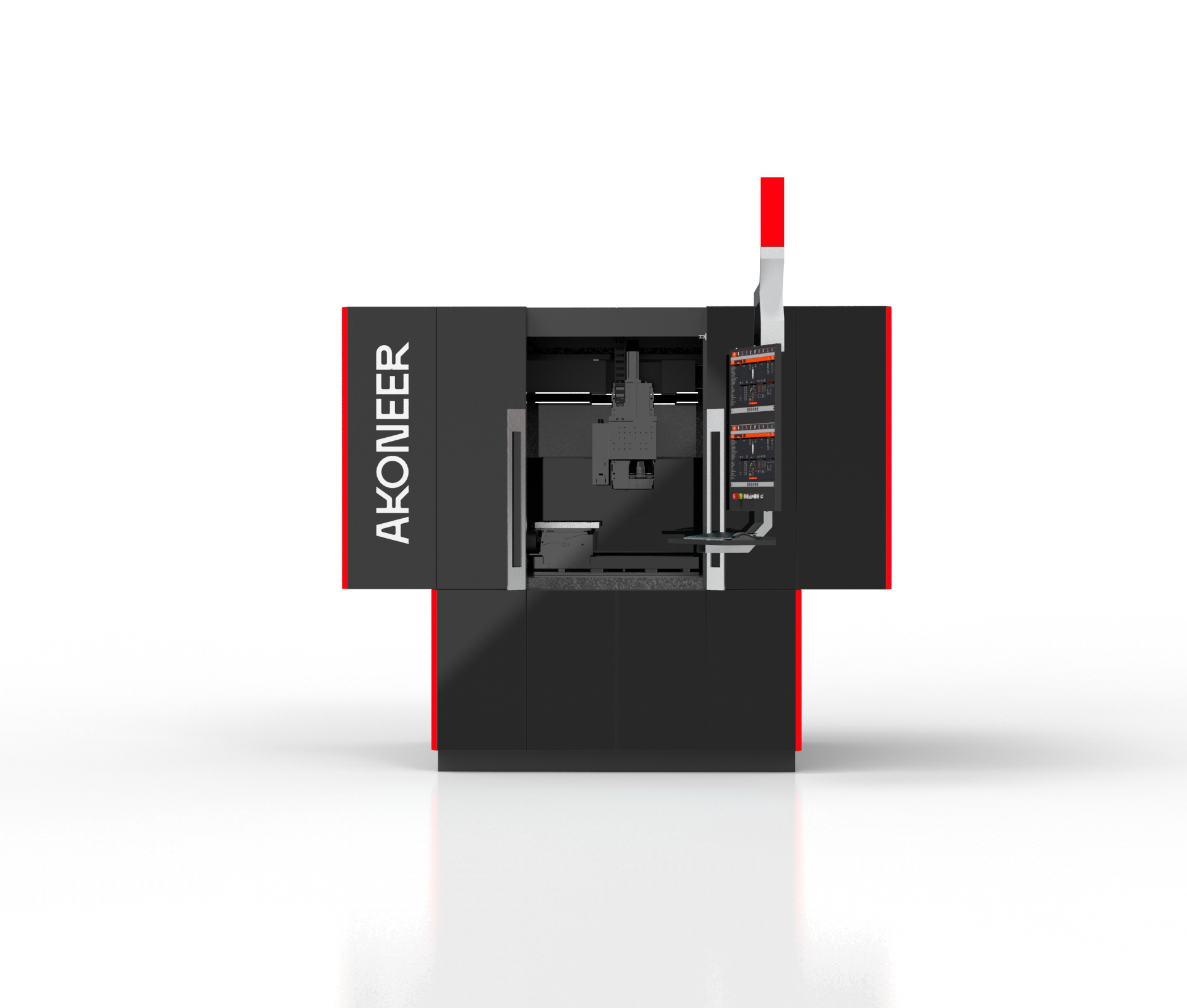
Laser engraving is a precise and versatile technique used across various industries to etch designs, logos, and information onto stainless steel surfaces. This process uses a laser beam to remove material, creating permanent marks resistant to wear and corrosion. The popularity of laser engraving on stainless steel stems from its accuracy, efficiency, and the durability of the results. This article delves into the process, benefits, applications, technology, and considerations of laser engraving on stainless steel.
The process of laser engraving on stainless steel
Laser engraving on stainless steel is a subtractive manufacturing process using a concentrated beam of light to remove material. The laser machine directs the beam onto the metal, vaporizing a thin layer to create precise, permanent marks. Laser parameters like speed, power, and frequency are adjusted to suit stainless steel's characteristics, ensuring optimal results. This non-contact process is efficient and produces intricate designs with high precision. Fiber lasers, with power ranging from 2 to 6 kW, are commonly used due to their high beam quality and energy efficiency, producing detailed engravings without damaging surrounding material. The engraving process, controlled by computer software, allows for complex designs with minimal human intervention, reducing errors and enhancing consistency across multiple pieces.
Benefits of laser engraving on stainless steel
Laser engraving on stainless steel offers several advantages over other marking methods. One primary benefit is its durability. Marks created by laser engraving are permanent, resisting environmental factors such as moisture, chemicals, and temperature changes, making them ideal for applications where longevity and legibility are critical. The precision of laser engraving, with repeatability of ±0.02 mm, is another significant benefit, suitable for detailed logos, barcodes, and serial numbers. Additionally, laser engraving's non-contact nature reduces the risk of mechanical damage or deformation. The speed and efficiency of laser engraving make it a cost-effective solution for operations of varying scales. The ability to quickly switch designs without tooling changes reduces downtime and increases productivity. Furthermore, the non-toxic nature of the process minimizes environmental impact and the need for additional safety measures.
Applications of laser engraving on stainless steel
Laser engraving on stainless steel is utilized across industries due to its versatility and durability. In manufacturing, it marks machine parts, tools, and components with identification numbers, logos, and essential information. The automotive industry employs laser engraving for VIN numbers and parts labeling, ensuring traceability and compliance with regulations. In the medical field, laser engraving marks surgical instruments and medical devices with unique identifiers, enhancing traceability and hygiene. The food and beverage industry benefits from using laser engraving on stainless steel for labeling equipment and packaging materials, ensuring marks do not fade or contaminate products. The jewelry and fashion industries use laser engraving for personalized designs and intricate patterns on stainless steel accessories. The precision and flexibility allow designers to create unique pieces meeting individual customer preferences.
Technology and equipment for laser engraving
The technology used in laser engraving on stainless steel has advanced significantly, offering enhanced capabilities and efficiency. The choice of laser equipment depends on application-specific requirements. Fiber lasers are preferred for their precision and ability to engrave various metals, including stainless steel, with minimal power consumption. Modern laser engraving machines feature automatic focusing, rotary attachments for cylindrical objects, and user-friendly software interfaces, enhancing versatility and ease of use, allowing operators to achieve high-quality results with minimal training. Safety is crucial in laser engraving operations. Proper ventilation, protective eyewear, and adherence to safety guidelines are essential to prevent accidents and ensure a safe working environment.
Considerations for optimal results
Achieving optimal results in laser engraving on stainless steel requires careful consideration of several factors. The type of stainless steel, its surface finish, and thickness can all influence engraving quality. Pre-treatment, such as cleaning or applying a coating, may enhance mark contrast and visibility. Laser parameters, including power, speed, and frequency, should be tailored to the specific application. Experimentation and testing may determine optimal settings for desired results. Regular maintenance of laser equipment ensures consistent performance and longevity. An example of successful implementation is at a leading automotive component manufacturer, which saw a 30% increase in production efficiency by integrating fiber laser engraving for parts labeling, reducing errors and enhancing traceability.
In summary, laser engraving on stainless steel is a versatile and efficient method for creating permanent, high-quality marks across various industries. Its precision, durability, and adaptability make it a preferred choice for manufacturers, designers, and engineers seeking reliable marking solutions. As technology continues to evolve, the capabilities and applications of laser engraving are expected to expand, offering even greater opportunities for innovation and customization.