Laser engraving for metal
Laser engraving for metal enhances customization and marking efficiency across industries with its detailed and durable capabilities.
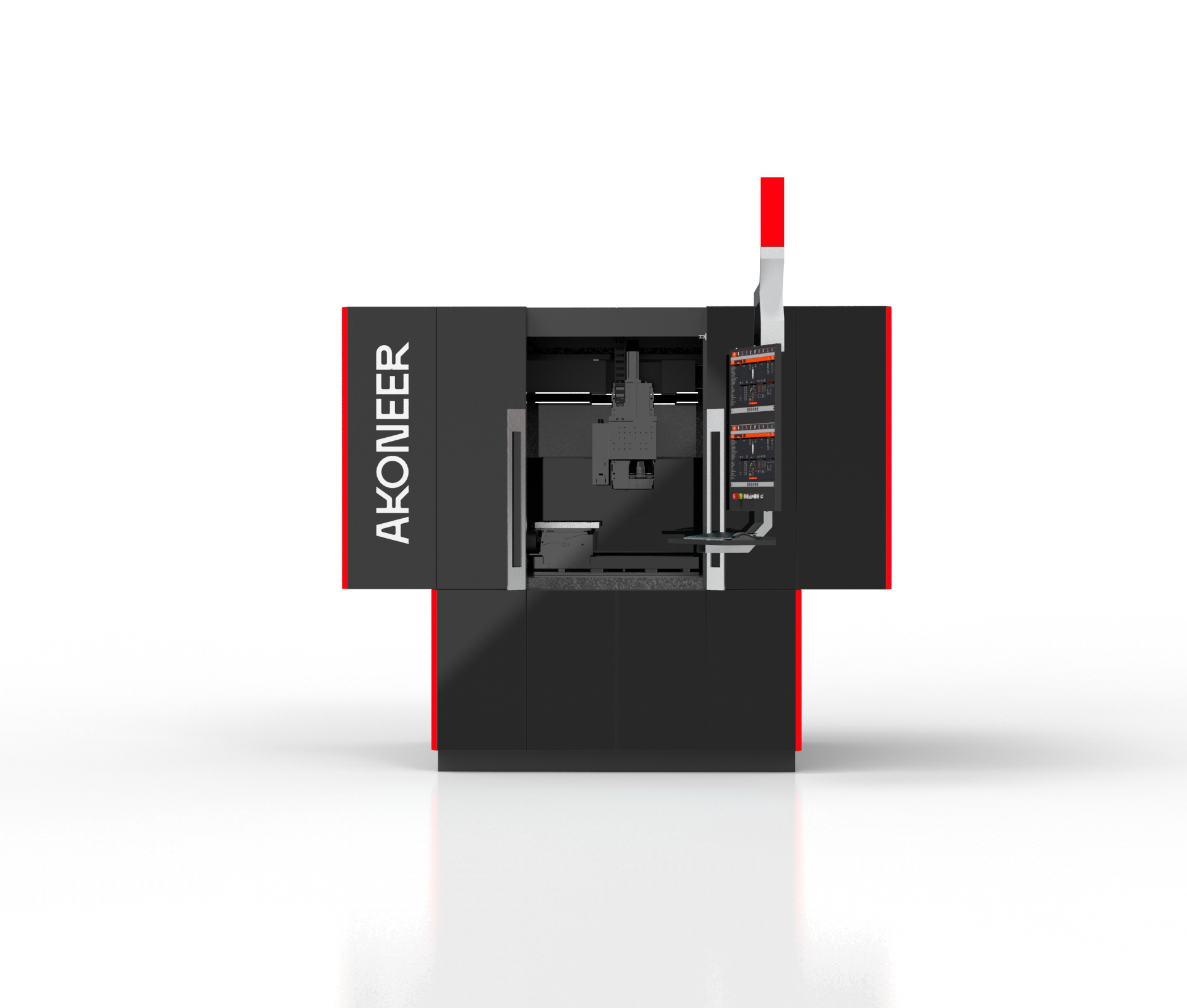
Laser engraving has revolutionized the customization and marking of metal surfaces, providing precision, flexibility, and durability often missing in traditional methods. This article delves into the principles behind laser engraving for metal, its applications, and its advantages.
The science behind laser engraving
Laser engraving utilizes a concentrated beam of light to remove material from a surface. The laser beam's energy focuses on a small area, causing the metal to vaporize or melt. This controlled interaction between the laser and metal surface allows for intricate designs and detailed markings.
Various lasers are used for engraving metal, including fiber lasers and CO2 lasers. Fiber lasers are particularly popular due to their efficiency and capability to work with metals like stainless steel, aluminum, and brass. They generate a high-intensity beam that can create precise cuts and engravings, making them ideal for industrial applications. These lasers typically operate with power levels ranging from 20 to 100 watts, achieving kerf widths of approximately 0.1 mm.
Applications of laser engraving in various industries
Laser engraving is versatile, utilized across multiple industries. In manufacturing, it marks components with serial numbers, barcodes, and logos, ensuring product traceability and authenticity, crucial for quality control and inventory management.
In the jewelry industry, laser engraving personalizes items like rings and bracelets, engraving intricate patterns and text without damaging the metal's surface, ideal for high-quality customization. The automotive industry uses laser engraving for labeling parts, with the durability of laser engravings making them resistant to harsh environmental conditions, ensuring legibility over time.
Advantages of laser engraving over traditional methods
Laser engraving offers several advantages over traditional techniques. A key benefit is precision. The ability to control the laser beam with high accuracy allows for detailed designs that would be challenging to achieve with mechanical tools. This precision also means less material wastage, contributing to cost efficiency.
Moreover, laser engraving is a non-contact process. Unlike mechanical engraving, it doesn't require physical tools to touch the metal surface, reducing the risk of damage, making it suitable for delicate workpieces and ensuring a clean, smooth finish.
The speed of laser engraving is another advantage. It can complete tasks much faster than manual methods, increasing productivity in industrial settings. Automating the process allows for large-scale production without compromising quality. For instance, Airbus uses laser systems that cut at speeds up to 30 meters per minute, significantly enhancing production efficiency and reducing costs.
Environmental and economic considerations
Laser engraving is environmentally friendly. It doesn't involve chemicals or consumables, reducing waste and pollution. The energy efficiency of modern laser systems also contributes to lower carbon footprints in manufacturing processes.
From an economic perspective, the initial investment in laser engraving equipment can be substantial. However, long-term savings in reduced labor costs, material wastage, and increased production speed often outweigh these expenses. Businesses achieve higher returns on investment through improved efficiency and quality.
Technical challenges and solutions
While laser engraving offers numerous benefits, it presents technical challenges. One challenge is the risk of overheating, which can lead to discoloration or warping of the metal. Manufacturers address this by using advanced cooling systems and adjusting laser settings to match the material's properties.
Maintaining consistent quality across different batches is another challenge. Variations in metal composition and surface conditions can affect engraving outcomes. Implementing rigorous quality control measures and using high-quality materials can help mitigate these issues.
The future of laser engraving for metal
The future of laser engraving for metal looks promising, with ongoing advancements in technology. Developments in laser power and control systems will likely lead to even greater precision and efficiency. The integration of artificial intelligence and machine learning could further enhance the automation and customization capabilities of laser engraving systems.
Emerging applications, such as 3D laser engraving, are expanding possibilities for metal customization. This technique allows for creating complex three-dimensional patterns and textures, opening new opportunities in design and manufacturing.
In summary, laser engraving for metal is a powerful tool that continues to evolve. Its precision, speed, and versatility make it indispensable in modern manufacturing and design. As technology progresses, laser engraving will undoubtedly play an even more significant role in shaping the future of metalworking industries.