Laser engraving materials
Laser engraving offers versatile applications across various materials, enabling intricate designs and functional enhancements in industries from art to manufacturing.
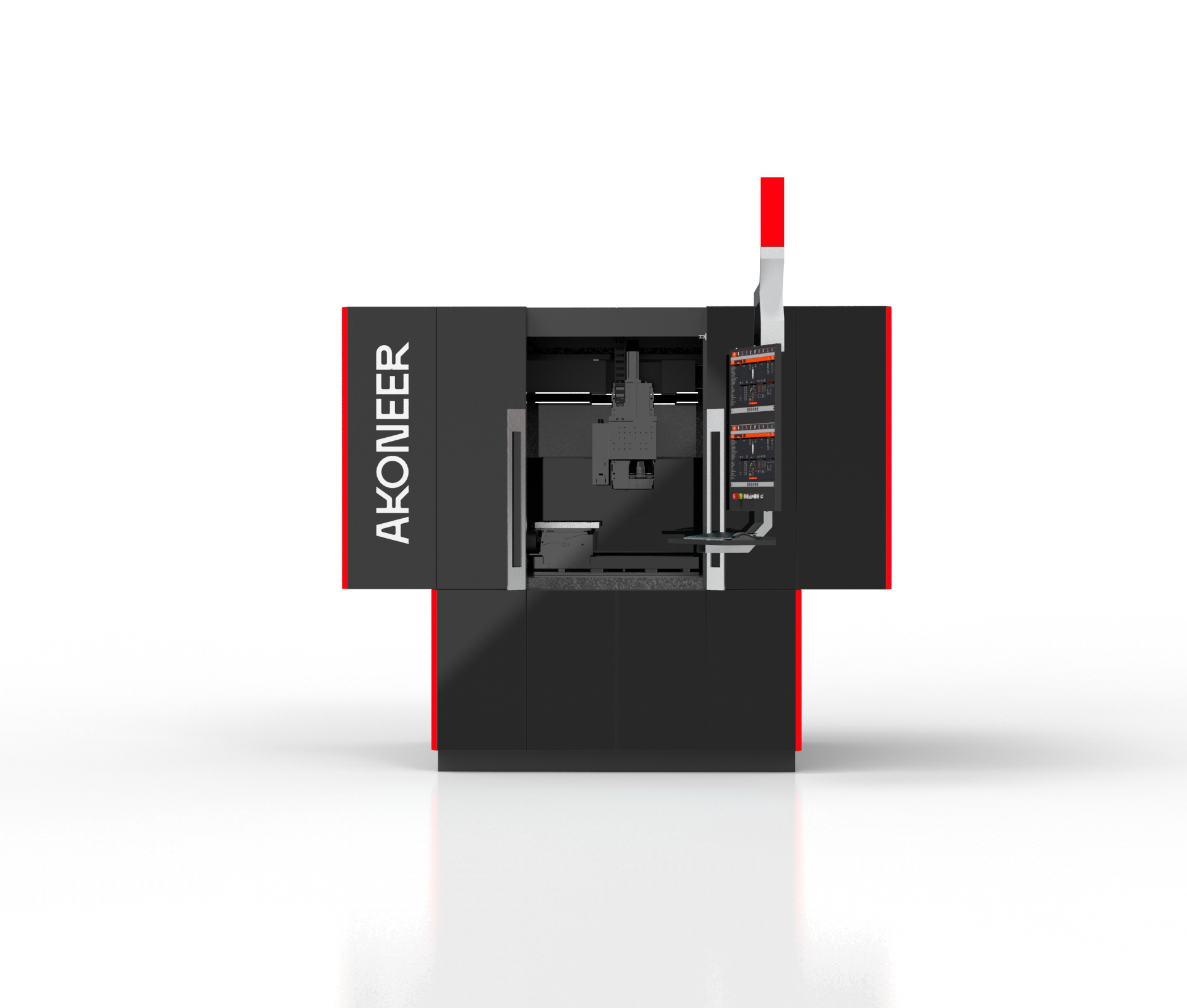
Laser engraving has become an indispensable technology in various industries, ranging from manufacturing to art. The precision and versatility of laser engravers allow them to work with a wide array of materials, each bringing unique characteristics and considerations. Understanding these materials is essential for achieving optimal results in laser engraving projects.
Wood: A classic choice
Wood is one of the most popular materials for laser engraving due to its natural beauty and versatility. Different types of wood, such as maple, cherry, oak, and pine, exhibit diverse grain patterns and hardness levels, which can affect the engraving process. Hardwoods like oak and cherry provide crisp, detailed engravings, while softer woods like pine may require adjustments in laser settings to avoid excessive burning or charring. Proper preparation, such as sanding and cleaning the wood surface, ensures better engraving results. Additionally, wood can be treated with finishes post-engraving to enhance its appearance and durability. Typical laser power settings for wood range from 10 to 50 watts, with a kerf width of approximately 0.1 mm.
Acrylic: The versatile plastic
Acrylic is a widely used plastic in laser engraving, prized for its clarity and ease of manipulation. Available in both transparent and colored forms, acrylic can produce striking visual effects, especially when engraved. The laser vaporizes the acrylic, creating a frosted appearance that contrasts well with the clear or colored material. Engraving acrylic requires careful attention to laser settings to prevent melting or warping. It is also essential to consider ventilation, as the engraving process releases fumes that should be managed properly. The cutting speed for acrylic typically reaches up to 30 m/min, depending on the thickness. Acrylic's durability and aesthetic appeal make it a favored choice for signage, awards, and decorative items.
Glass: Elegance with precision
Glass engraving with lasers offers a sophisticated look that is popular in the creation of awards, decorative items, and personalized gifts. The laser produces micro-fractures on the glass surface, resulting in a frosted appearance. Special attention must be paid to the laser's power settings, as excessive energy can cause shattering. Engraving on curved glass surfaces, such as wine glasses, may require additional equipment like rotary attachments to ensure even and accurate designs. Although glass does not burn like organic materials, its fragility necessitates careful handling and setup to prevent breakage during the engraving process.
Metal: Durability meets design
Metal is a robust material that can be engraved with a laser to create long-lasting and intricate designs. Metals like stainless steel, aluminum, and brass are commonly used in laser engraving. Unlike organic materials, metal does not burn; instead, the laser either etches or anneals the surface, depending on the technique and equipment used. Some metals may require the application of a marking solution to enhance contrast. This process can produce highly detailed and durable engravings suitable for industrial applications, as well as for artistic endeavors. The engraving settings may vary significantly based on the type and thickness of the metal being used. For instance, Epilog Laser, a leading manufacturer, offers systems capable of engraving metals with repeatability as precise as ±0.02 mm, significantly improving production efficiency and accuracy.
Leather: A unique texture
Leather offers a unique texture and finish when laser engraved, making it popular for fashion, accessories, and custom goods. The laser burns the top layer of the leather, allowing for precise patterns and designs. Different types of leather, such as full-grain, top-grain, and suede, react differently to laser engraving, and settings must be adjusted accordingly to prevent damage. Leather’s natural variations in color and texture can add character to the finished product, but they also require careful planning to account for these inconsistencies. Post-engraving treatments, such as conditioning the leather, can enhance the overall look and longevity of the engraved piece.
Fabric: Creativity in textiles
Laser engraving on fabric opens up a world of creative possibilities in fashion and interior design. Materials such as cotton, denim, felt, and polyester can be engraved to create intricate patterns and designs. The laser cuts or marks the fabric, allowing for precision and repeatability that is difficult to achieve with traditional sewing or embroidery techniques. Fabric engraving requires careful consideration of laser power and speed settings to avoid burning or melting the material. The process can be used to personalize clothing, create unique home décor items, or even prototype new textile designs. Engraved fabrics offer a modern twist to traditional textile applications.
Stone: Timeless engravings
Stone engraving provides a timeless and durable option for plaques, monuments, and decorative pieces. Materials such as marble, granite, and slate are commonly used due to their density and natural beauty. The laser engraves the stone by removing the surface layer, revealing the underlying color and texture. This process creates a permanent, weather-resistant design that can withstand outdoor conditions. Stones vary in hardness and composition, so laser parameters must be adjusted for each type. Engraving on stone often results in a high-contrast design that stands out against the natural background, making it an ideal choice for both functional and artistic applications.
Understanding material limitations and potentials
Each material used in laser engraving presents unique opportunities and challenges. Factors such as thickness, composition, and surface finish can influence the engraving process and final outcome. Experimentation and experience are crucial in mastering the use of different materials. Additionally, considerations such as safety and environmental impact should not be overlooked, as some materials can release harmful fumes or require specialized handling. As technology advances, new materials and techniques continue to emerge, expanding the possibilities for laser engraving and pushing the boundaries of creativity and functionality. This dynamic field offers endless opportunities for innovation and expression, making it an exciting area for exploration and development.