Laser engraving machine for stainless steel
Laser engraving on stainless steel offers unmatched accuracy and versatility, making it an essential tool across various industries.
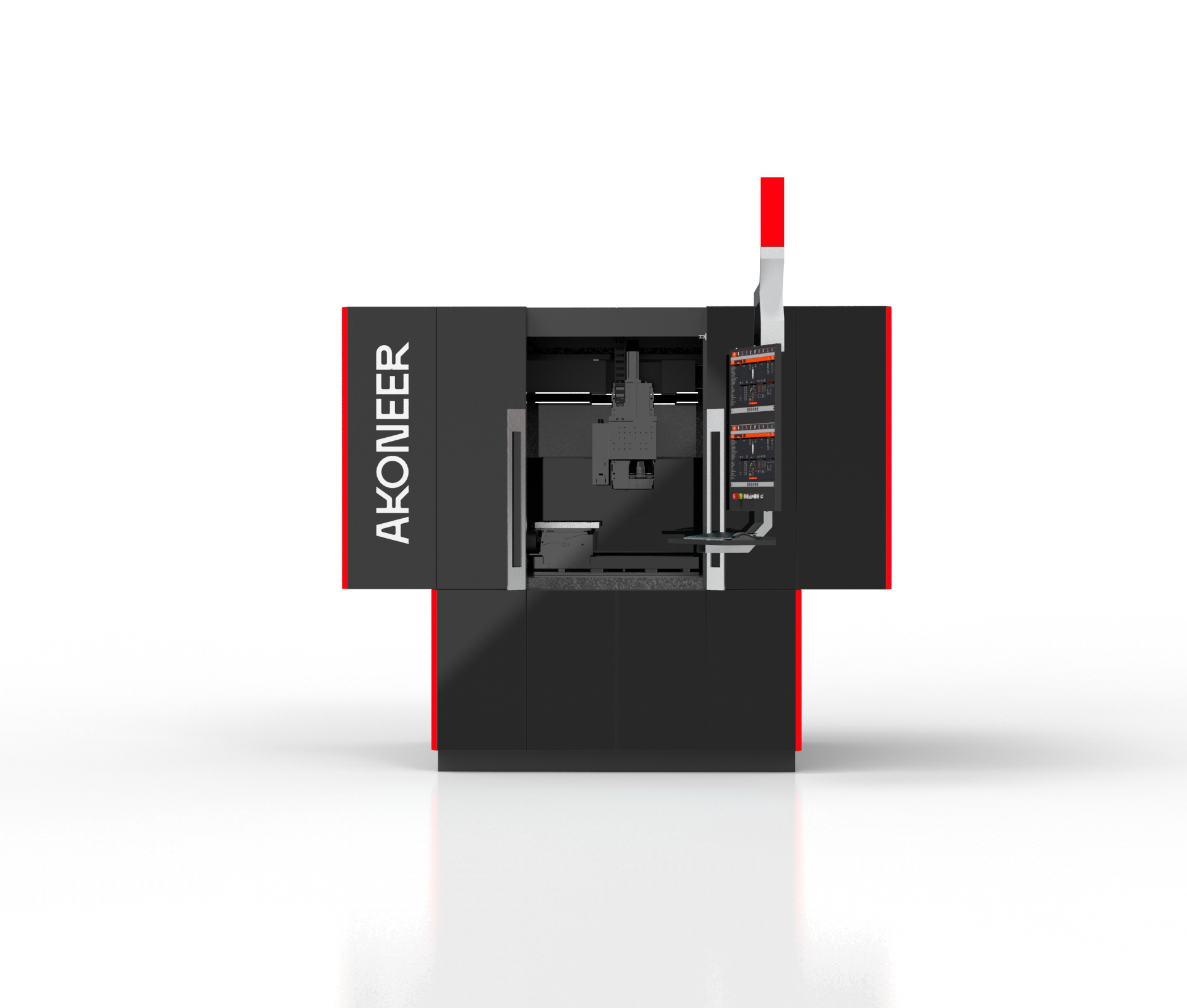
Laser engraving is a sophisticated process using focused laser beams to etch or mark surfaces. Known for its precision, versatility, and efficiency, it is an invaluable tool in various industries. When applied to stainless steel, this technology is particularly advantageous due to the material's durability and aesthetic appeal. This article explores the intricacies of laser engraving machines for stainless steel, highlighting their applications, benefits, and transformative impact across multiple sectors.
Understanding laser engraving technology
Laser engraving stands out from other engraving methods due to its non-contact nature. A laser beam is directed onto a material, vaporizing it and leaving a permanent mark. Controlled by computer software, the process ensures high precision and consistency. This precision is crucial when working with stainless steel, enabling intricate designs and detailed markings without compromising material integrity. The technology manipulates the laser's intensity, speed, and focus, adjustable to achieve different effects, from deep engravings to delicate surface markings. Typical laser machines operate with power levels ranging from 2 to 6 kW, allowing for cutting speeds up to 30 meters per minute.
Why stainless steel?
Stainless steel is a preferred material for laser engraving due to its unique properties. It is an alloy renowned for its strength, corrosion resistance, and ability to withstand extreme temperatures. These characteristics make it ideal for a wide range of applications, including industrial, medical, and consumer products. The smooth, reflective surface of stainless steel enhances the contrast of engravings, boosting visibility and aesthetic appeal. Additionally, engravings on stainless steel are durable and resistant to wear, ensuring longevity.
Applications across industries
Laser engraving on stainless steel is widely used across various industries, each leveraging the technology's precision and efficiency. In manufacturing, it etches serial numbers, barcodes, and logos on products, ensuring traceability and brand recognition. The medical field uses laser engraving to mark surgical instruments, requiring exact identification and sterilization. The jewelry industry benefits by personalizing items with intricate designs and inscriptions. The automotive and aerospace sectors utilize the technology for part identification, enhancing safety and quality control measures. For instance, Boeing has implemented laser engraving to improve part traceability, reportedly reducing error rates by 20%.
Advantages of using laser engraving machines
Laser engraving machines offer significant advantages, producing accurate and consistent results. This precision reduces material wastage and increases productivity, with processes often faster than traditional methods. The technology is highly versatile, capable of handling complex designs and varying material thicknesses, up to 20 mm. Its non-contact nature minimizes the risk of damaging materials, maintaining the structural integrity of stainless steel products. Furthermore, laser engraving is environmentally friendly, emitting fewer emissions and waste compared to conventional methods.
Technological innovations and advancements
The laser engraving field has seen significant advancements through technological innovation. Modern machines feature multi-axis control, allowing for 3D engraving on stainless steel surfaces. Fiber lasers, particularly popular, offer efficiency and high-quality engravings, boasting longer lifespans and reduced maintenance needs, thus lowering operational costs. Integration with computer-aided design (CAD) software enhances engraving precision and complexity, enabling manufacturers to meet increasingly demanding specifications.
Challenges and considerations
Despite its advantages, laser engraving on stainless steel presents certain challenges. The initial investment in laser engraving machines can be substantial, especially for high-quality fiber lasers. Operators require training to effectively use the machines and software, which can be time-consuming. Safety is another consideration, as high-intensity beams necessitate protective measures to prevent injury. Nevertheless, the long-term benefits often outweigh these challenges, as the technology enhances productivity and product quality.
The future of laser engraving in industry
The future of laser engraving on stainless steel is promising as industries continue to seek efficiency and product quality improvements. Ongoing research and development are expected to drive further innovations, such as increased automation and integrating artificial intelligence to optimize processes. As technology evolves, laser engraving machines are likely to become more accessible and cost-effective, expanding their use in small and medium-sized enterprises. The demand for personalized and high-quality products is expected to drive growth, ensuring laser engraving remains a vital tool in manufacturing and beyond.
In summary, laser engraving machines offer a robust solution for marking stainless steel, providing unparalleled precision, efficiency, and versatility. The technology's unique advantages make it suitable for a wide array of applications, from industrial to artistic endeavors. As advancements continue to shape the field, laser engraving is poised to play an increasingly significant role in the future of manufacturing and design.