Laser engraving machine for small business
Laser engraving machines offer small businesses versatile, efficient solutions for customization and product differentiation, enhancing operational capabilities across various industries.
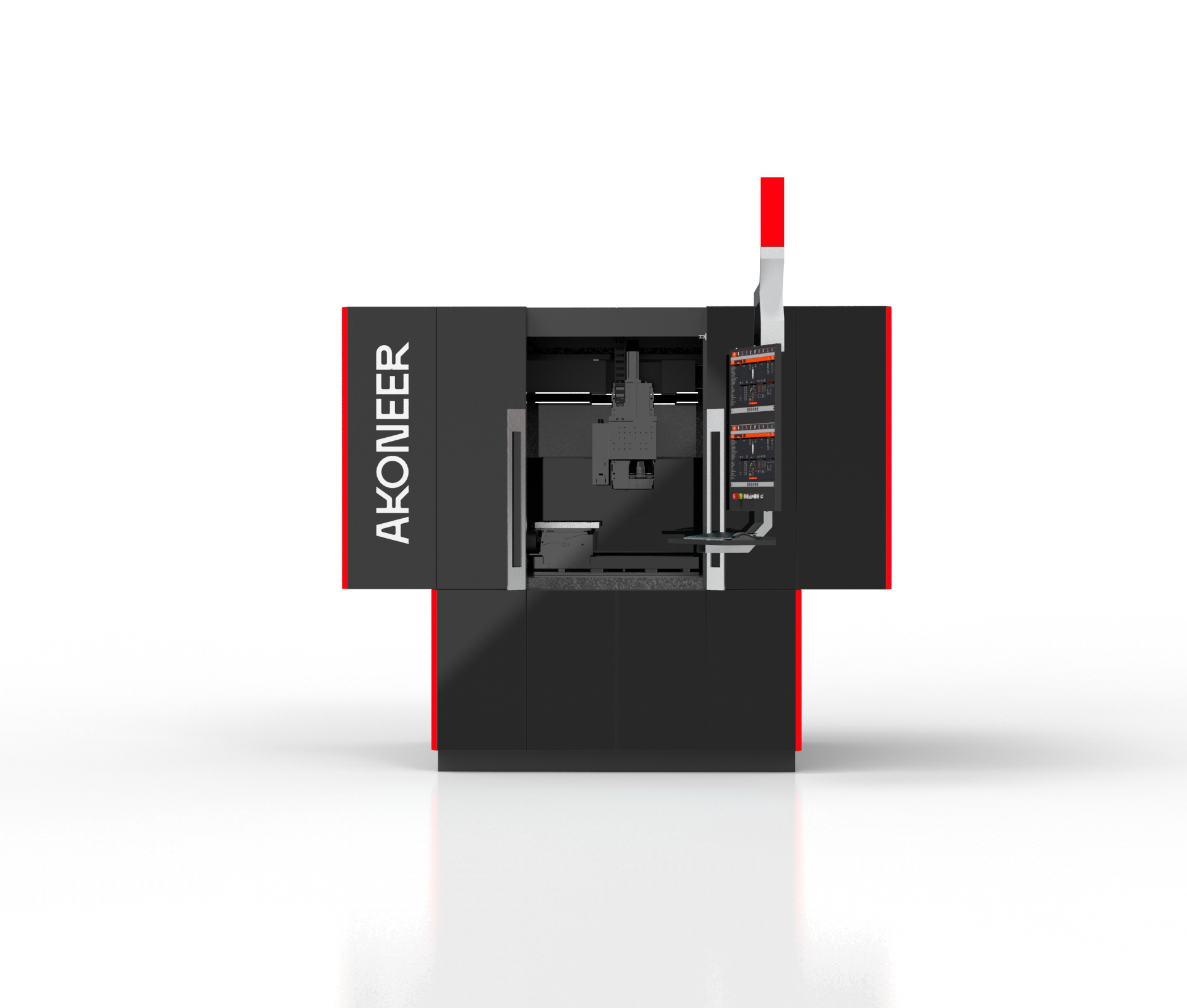
In recent years, laser engraving machines have surged in popularity among small businesses. These machines offer precision, versatility, and efficiency, crucial for thriving in competitive markets. This article explores the manifold benefits of laser engraving machines for small business owners, detailing how they can effectively integrate this technology into their operations.
Understanding laser engraving technology
Laser engraving uses a laser beam to etch designs or markings onto a surface. The process involves directing a high-powered laser beam, typically ranging from 2–6 kW, onto the material, vaporizing the surface layer to create a visible mark. Unlike traditional methods relying on physical tools and handcraftsmanship, laser engraving provides a non-contact, computer-controlled approach ensuring high precision and consistency across multiple pieces. The technology applies to a wide array of materials, including wood, metal, plastic, glass, and leather, giving small businesses diverse opportunities for customization and product differentiation.
The economic benefits for small businesses
Investing in a laser engraving machine can transform small businesses. Although the initial cost ranges from a few thousand to tens of thousands of dollars, depending on the machine's capabilities, the long-term economic benefits are significant. These machines enhance productivity by reducing time and labor needed for engraving tasks, allowing businesses to produce more items in less time. Additionally, with precision and versatility, laser engraving machines enable small businesses to offer high-quality, customized products that can command higher prices and appeal to niche markets. The personalization aspect can boost customer satisfaction and loyalty, further enhancing profitability. For instance, XYZ Engraving, a small enterprise, reported a 30% increase in revenue within six months of adopting a 5 kW laser engraving machine, thanks to the ability to offer bespoke products.
Applications across various industries
Laser engraving machines are not confined to a single industry; their applications span multiple sectors. In the fashion industry, designers use them to personalize accessories, jewelry, and clothing with intricate patterns. The manufacturing sector employs laser engraving for marking parts with serial numbers or branding logos. The promotional products industry benefits from laser technology by customizing items like pens, mugs, and awards. Even in the art and craft sector, artists and hobbyists use laser engravers to create detailed designs on various materials. This versatility makes laser engraving machines an invaluable asset for any small business looking to expand its product offerings.
Technical considerations and training
While the benefits of laser engraving machines are evident, small business owners must consider the technical aspects of operating these machines. Understanding the various types of lasers, such as CO2 lasers, fiber lasers, and diode lasers, is crucial, as each suits different materials and applications. Business owners should also invest time in training. Many manufacturers offer training programs to help operators effectively use the machines, including software tutorials and maintenance guidelines. Proficiency in graphic design software can also be beneficial, allowing operators to create more complex and customized designs.
Environmental impact and sustainability
A frequently overlooked aspect of laser engraving technology is its environmental impact. Unlike some traditional engraving methods, laser engraving produces minimal waste, as it does not require physical contact or consumable materials like ink or etching solutions. This makes laser engraving a more sustainable option for small businesses concerned with reducing their carbon footprint. Additionally, many laser machines are designed to be energy-efficient, further minimizing their impact on the environment. By choosing laser engraving, small businesses can align with sustainable practices and appeal to environmentally conscious consumers.
Financing and return on investment
For many small businesses, purchasing a laser engraving machine can be a significant investment. However, several financing options are available, including leasing arrangements and small business loans, making the acquisition more manageable. When considering the return on investment, business owners should evaluate not only the direct financial gains from increased production and sales but also the intangible benefits such as enhanced brand reputation and customer satisfaction. Over time, the advantages of owning a laser engraving machine can far outweigh the initial expenditure, making it a worthwhile investment for many small enterprises.
Future prospects and innovation
As technology continues to evolve, the capabilities of laser engraving machines are expected to expand even further. Innovations such as improved software interfaces, faster engraving speeds, and enhanced precision will likely make these machines even more accessible and beneficial for small businesses. Additionally, the growing demand for customized and personalized products suggests that laser engraving will remain a valuable asset in various markets. Small businesses that embrace this technology now will be well-positioned to capitalize on future trends and opportunities.
In summary, laser engraving machines offer numerous benefits for small businesses, from economic advantages to environmental sustainability. By understanding the technology and strategically integrating it into their operations, small business owners can enhance their product offerings, improve customer satisfaction, and achieve long-term success in their respective industries.