Laser engraving machine for metal
Laser engraving machines are essential in metal industries for creating detailed and durable designs, offering versatility and efficiency across various applications.
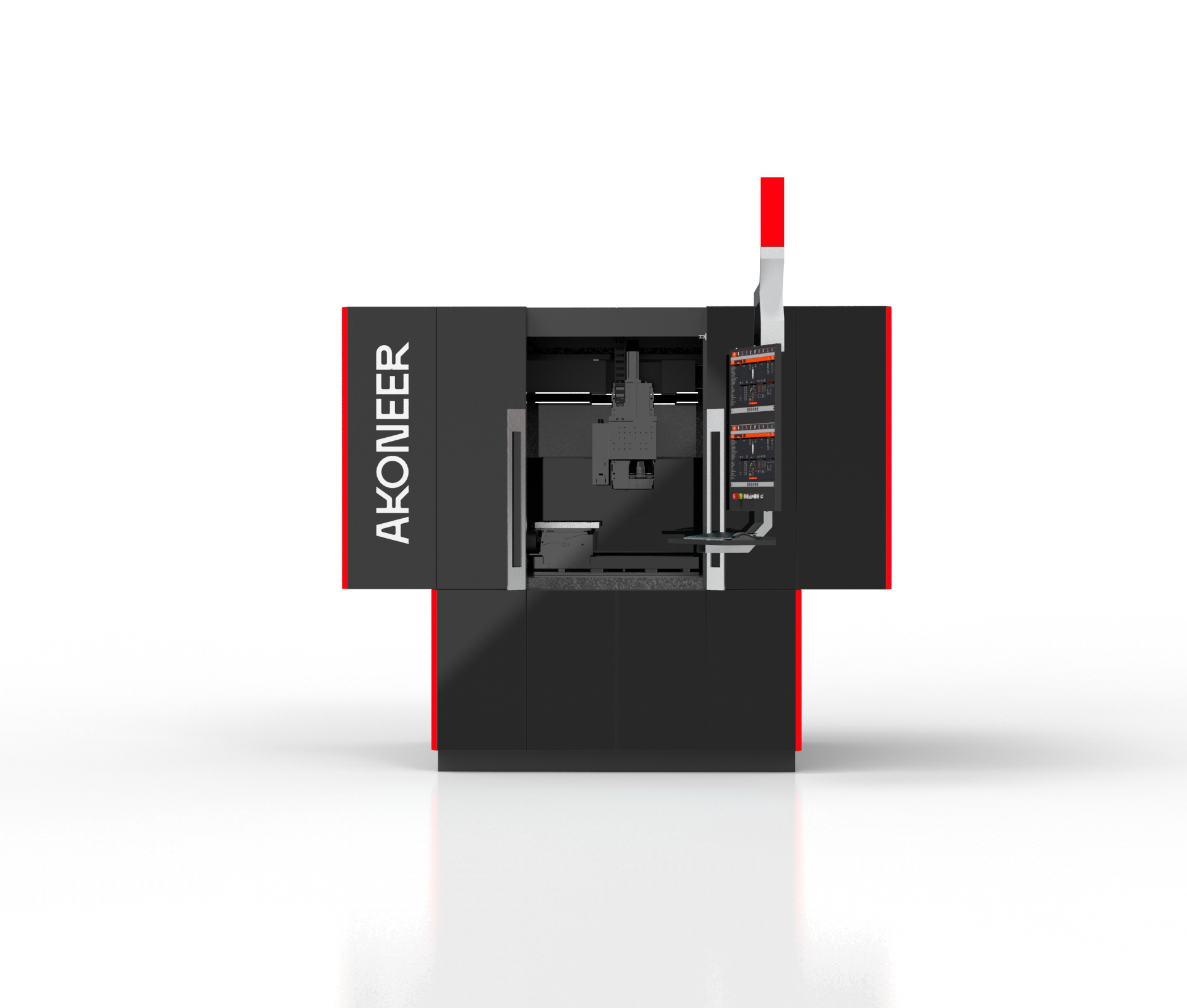
The growing demand for precision and customization in various industries has propelled the use of laser engraving machines, particularly in metalwork. These machines provide powerful solutions for creating intricate designs, serial numbers, barcodes, and other essential marks on metal surfaces. Their versatility and precision make them indispensable tools in manufacturing, jewelry, automotive, and aerospace sectors. This article explores the fundamentals of laser engraving machines for metal, their benefits, types, and key considerations for choosing the right machine.
Understanding laser engraving technology
Laser engraving is a subtractive manufacturing process that uses a laser beam to remove material from the surface of an object. The beam is directed onto the metal surface, vaporizing or melting the material to create permanent marks with a kerf of approximately 0.1 mm. The precision of laser engraving is achieved through a focused laser beam controlled in depth, speed, and power. This enables detailed designs without direct contact with the metal, minimizing tool wear.
The technology involves computer numerical control (CNC) systems for accurate and repeatable engravings, integrating a laser source, mirrors, and lenses to guide the beam to the desired location on the metal. The integration of computer software allows for complex designs and patterns executed with high precision, achieving repeatability of ±0.02 mm.
Benefits of laser engraving for metal
Laser engraving machines offer distinct advantages over traditional engraving methods, providing exceptional precision for creating detailed designs difficult to achieve with mechanical tools. The non-contact nature ensures minimal material distortion, ideal for delicate or intricate metal parts. Marks created by laser engravers resist heat, chemicals, and wear, enduring even in harsh environments. This durability is particularly beneficial for industries like aerospace and automotive, where components face extreme conditions.
The versatility of laser engraving machines allows them to work on various metals, including stainless steel, aluminum, brass, and titanium. Their adaptability makes them suitable for a wide range of applications, from industrial parts to decorative items. Additionally, the efficiency of laser engraving machines often results in faster production times and reduced costs, as tool replacement and maintenance are minimized. A typical laser engraving machine can operate at cutting speeds of 30 m/min.
Types of laser engraving machines for metal
Different types of laser engraving machines are designed for metal applications, each with unique characteristics. Fiber laser engravers are the most common, known for their efficiency and precision. They use a fiber-optic cable to deliver the laser beam, ideal for metal engraving due to its high absorption rate and power range of 2–6 kW. Fiber lasers offer excellent beam quality, suitable for detailed work on metals.
CO2 laser engravers, while traditionally used for non-metal materials, can also engrave certain metals with special coatings or pastes. They are less common for metal engraving but offer versatility for businesses that work with various materials. Nd:YAG lasers, known for engraving a wide range of metals with high precision, are often used in industrial settings where deep engraving is required.
Choosing the right laser engraving machine for metal
Selecting the appropriate laser engraving machine involves several considerations. The type of metal to be engraved is crucial, as machines vary in capabilities and efficiencies with different metals. Fiber lasers are generally preferred for most metals due to their efficiency and precision.
The complexity of the design and required resolution also influence machine choice. For intricate work, a machine with a high-quality beam and advanced control systems is essential. Additionally, consider the size of the workpiece and required engraving area, as machines come in various sizes and power levels.
Cost is a significant consideration, as laser engraving machines are substantial investments. Businesses should evaluate their needs and budget to determine the best machine for their operations. While initial costs may be high, the long-term benefits of durability, efficiency, and versatility often justify the investment.
Applications of laser engraving in various industries
Laser engraving machines for metal have diverse applications across multiple industries. In manufacturing, they mark components with serial numbers, logos, and barcodes, ensuring traceability and quality control. The automotive industry uses laser engraving for marking parts and creating intricate designs on metal surfaces.
In the jewelry industry, laser engraving machines enable detailed designs and personalization on precious metals like gold and silver, offering a non-invasive method that preserves metal integrity. The aerospace industry benefits from laser engraving by marking critical components with essential information, ensuring safety and regulatory compliance. For instance, Airbus incorporates laser engraving to enhance component traceability, significantly reducing production errors.
Overall, the versatility and precision of laser engraving machines make them valuable tools across various sectors. As technology advances, these machines continue to evolve, offering improved capabilities and new applications, driving innovation in metalworking and beyond.