Laser engraving machine manufacturer
Laser engraving machines offer a blend of accuracy and versatility, playing an integral role in modern manufacturing and craft industries.
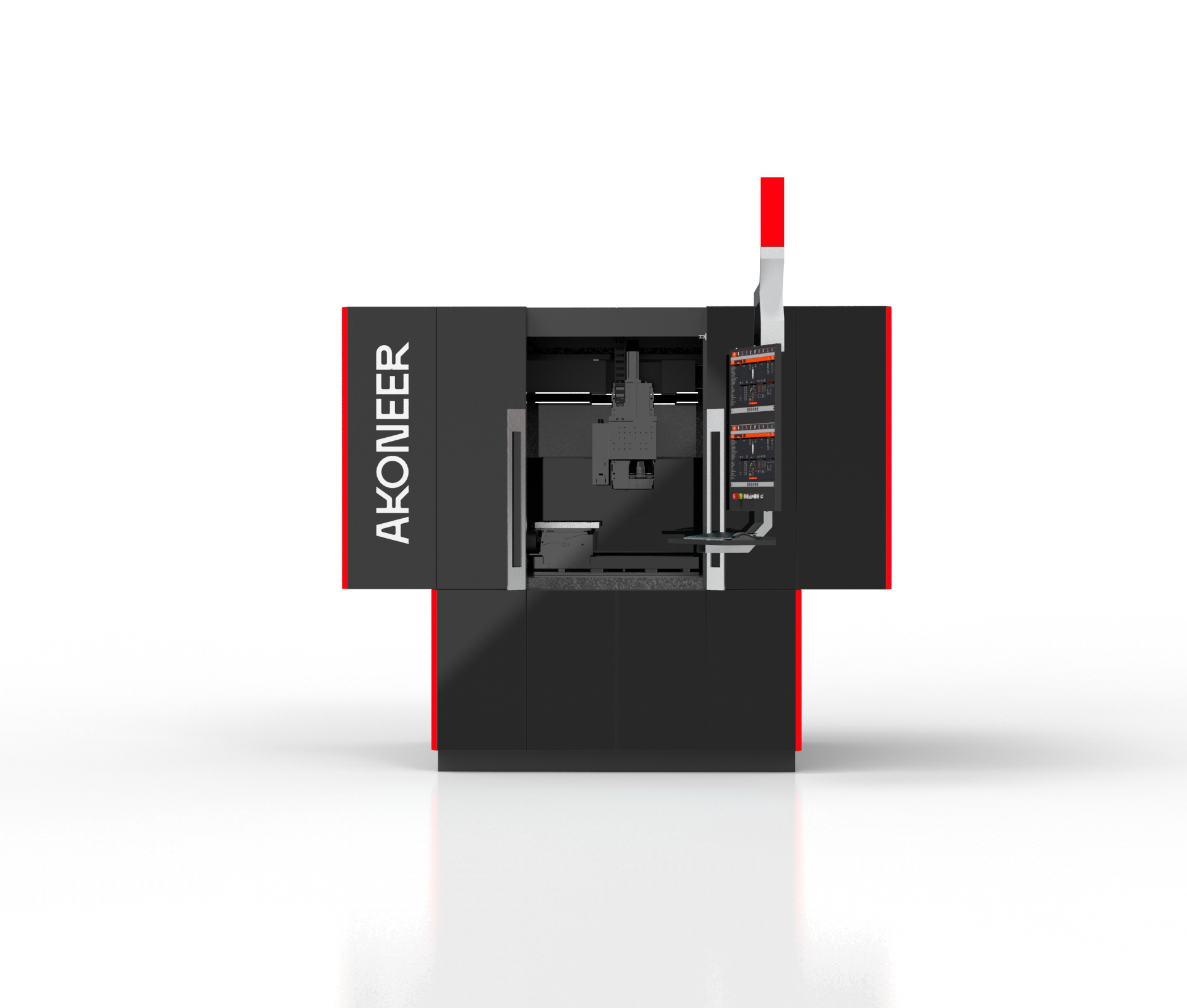
In the realm of modern manufacturing and crafting, laser engraving machines are powerful tools that combine precision with versatility. For a manufacturer, understanding their intricacies can provide valuable insight into their increasing role in various industries. This article delves into the essential components, diverse applications, and the future of laser engraving technology.
The technology behind laser engraving machines
Laser engraving machines operate on a straightforward principle: a focused beam of light etches or marks a surface. This beam, concentrated to a kerf of approximately 0.1 mm, is generated by a laser source—CO2, fiber, or diode—each suitable for different materials. CO2 lasers, common for non-metallic materials like wood, acrylic, and glass, typically operate within a power range of 30–150 watts. Fiber lasers excel in marking metals, often used for barcodes, serial numbers, or logos on metal surfaces, with power levels from 20–50 watts. Diode lasers, though less powerful, are ideal for intricate designs on softer materials.
The laser beam is directed by mirrors and lenses, controlled by a computer system ensuring repeatability of ±0.02 mm. The system, programmed with specific designs, allows for intricate patterns to be engraved. This blend of laser technology and digital control makes laser engraving machines extremely precise, enabling detailed designs difficult to achieve by hand.
Applications across industries
Laser engraving machines are versatile, serving an array of industries. In manufacturing, they mark parts with IDs, logos, or other essential information, ensuring permanence and legibility. The personalization industry leverages laser technology for custom jewelry and gifts, offering unique, high-quality products. In electronics, laser engraving marks circuit boards and components, ensuring precision without damaging delicate surfaces.
Additionally, laser engraving machines are valuable in education for projects and prototypes, providing tools for engineering, architecture, and art students. For instance, BMW uses laser engraving technology to mark vehicle parts, enhancing traceability and reducing error rates, which has led to a reported 30% reduction in production time.
Economic and environmental impact
Laser engraving machines offer significant economic benefits. Businesses incorporating these machines often see increased efficiency and reduced costs. The precision and speed of laser engraving allow projects to be completed faster and with fewer errors, minimizing material wastage and labor costs.
From an environmental perspective, laser engraving is cleaner than traditional methods like chemical etching. It produces no toxic chemicals or significant waste, making it environmentally friendly. The precision of laser engraving also reduces material waste, contributing to sustainable manufacturing practices.
Challenges and considerations
Despite their advantages, laser engraving machines present challenges. The initial investment in high-quality machines can be substantial, limiting access for small businesses. However, this cost is often offset by long-term savings and increased efficiency. Skilled operators are essential for optimal performance, as understanding how to program and maintain these machines is crucial. Training and education ensure operators can fully utilize the technology's capabilities.
The future of laser engraving
The future of laser engraving machines is promising, with advancements in laser technology and materials science. Innovations like more compact and affordable machines, improved design software, and the ability to engrave a wider range of materials are expected to drive growth. As technology evolves, laser engraving machines will likely become even more integral to manufacturing and crafting, combining precision, speed, and versatility, making them indispensable tools in a rapidly changing world.
Laser engraving machines represent a fusion of technology and creativity, offering vast potential across industries. For manufacturers, understanding these machines' complexities and capabilities is crucial to staying at the forefront of this dynamic field.