Laser engraving machine jewelry
Laser engraving machines are transforming jewelry making by enabling intricate designs with efficiency and versatility.
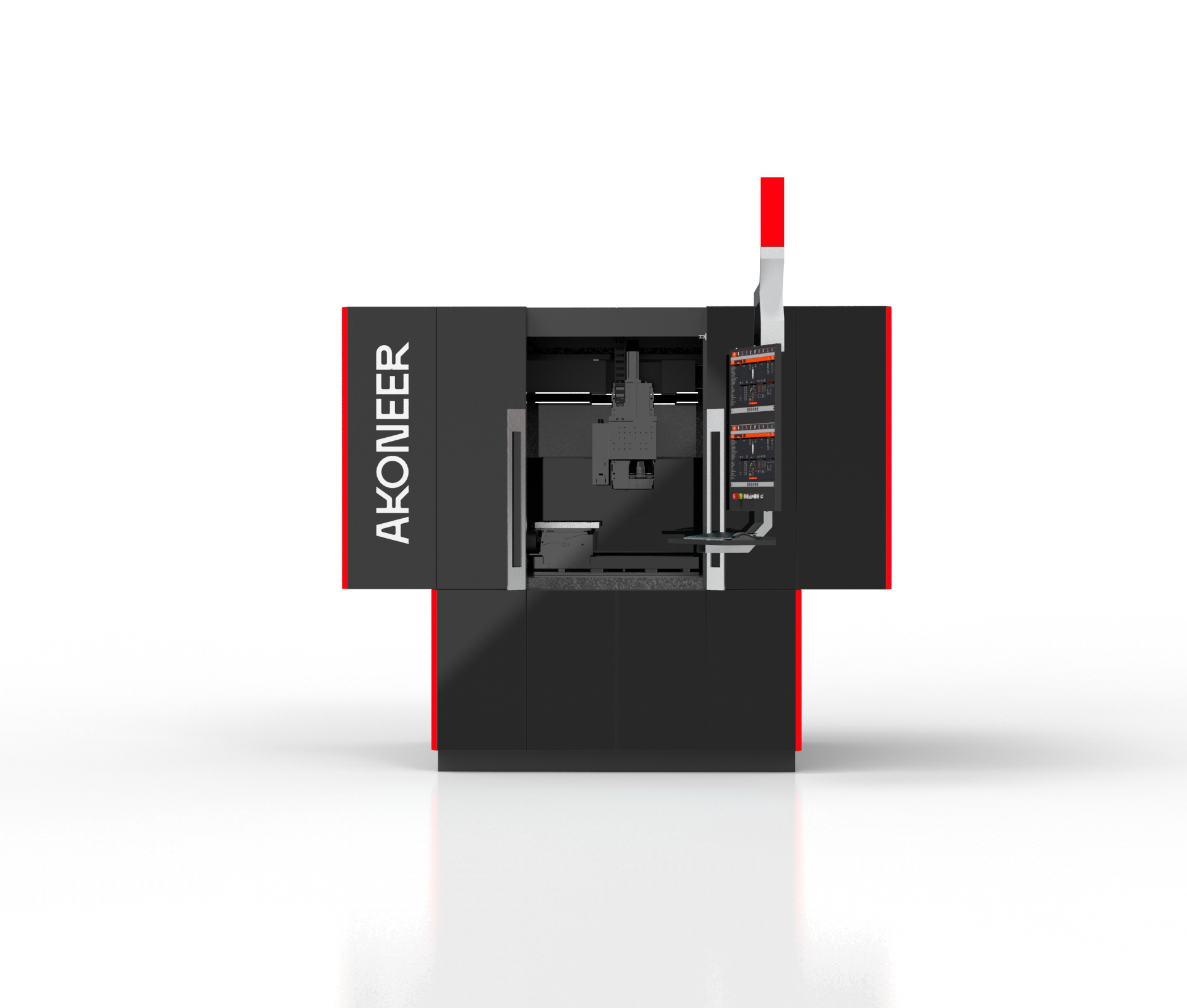
The art of jewelry making has witnessed transformative advancements over the centuries. Today, laser engraving machines are revolutionizing how jewelers create intricate designs with precision and ease. This article explores the application of laser engraving in jewelry, highlighting its benefits, technological advancements, and considerations for jewelers.
The rise of laser technology in jewelry making
Laser engraving technology has become an integral part of modern jewelry design and manufacturing. The laser engraving machine uses a focused beam of light, typically with power levels ranging from 30 to 100 watts, to etch patterns onto various materials. For jewelers, this means the ability to create detailed and repeatable designs on metals, gemstones, and other materials. This technology is not only faster but also allows for more intricate and delicate designs compared to traditional hand engraving. Furthermore, laser engraving is non-contact, reducing the risk of damaging precious materials during the process.
Precision and versatility
One of the main attractions of laser engraving for jewelry is its unmatched precision. The technology allows for micron-level accuracy, with repeatability often within ±0.02 mm, which is crucial when working with small and expensive materials. Jewelers can engrave everything from simple initials to complex patterns and even photographs with incredible detail. Moreover, laser engraving machines can work on a wide range of materials, including gold, silver, platinum, titanium, and certain types of gemstones. This versatility makes the technology valuable for creating diverse jewelry pieces, from wedding bands to corporate gifts.
Efficiency and cost-effectiveness
Laser engraving machines have streamlined production processes in jewelry workshops. Unlike traditional methods that can be labor-intensive and time-consuming, laser engraving is fast and requires minimal manual intervention. This efficiency translates to reduced labor costs and faster turnaround times for custom orders. Additionally, since the process is computer-controlled, it minimizes waste by ensuring that engravings are done correctly on the first attempt. For businesses, this means maximizing productivity and profitability.
Customization and personalization
In today’s market, consumers are increasingly seeking personalized products. Laser engraving machines provide jewelers with the ability to offer customized designs that cater to individual customer preferences. Whether it’s a special date, a loved one's initials, or a unique design, jewelers can easily create custom engravings that add sentimental value to the jewelry. This capability to offer personalization helps jewelers differentiate themselves in a competitive market and build stronger relationships with customers.
Technological advancements and software integration
The evolution of laser technology has been accompanied by significant advancements in software integration. Modern laser engraving machines are equipped with user-friendly software that allows jewelers to design and preview engravings digitally before executing them. This feature helps in reducing errors and enables jewelers to experiment with different design concepts. Many machines are also compatible with popular design software, facilitating seamless workflow integration and enhancing creativity. For instance, the use of Trotec's Speedy 360 machine by a renowned jewelry brand resulted in a 30% reduction in production time, showcasing the tangible benefits of advanced laser technology.
Environmental considerations
Laser engraving is considered an environmentally friendly technique compared to chemical etching or other traditional methods that may involve harmful substances. The process is clean, producing minimal waste and emissions. Furthermore, since laser engraving is precise, it reduces the material waste that often results from errors, aligning with the growing trend of sustainable practices in manufacturing.
Challenges and considerations
While laser engraving offers numerous benefits, jewelers must also be mindful of certain challenges. The initial investment in a high-quality laser engraving machine can be significant, which may be a barrier for small-scale jewelers. Additionally, operating these machines requires a level of technical proficiency, necessitating training and experience to achieve optimal results. However, the long-term benefits of adopting this technology often outweigh the initial costs and learning curve.
Future prospects in jewelry design
As laser technology continues to evolve, it is expected to further enhance the capabilities of jewelry design and manufacturing. Innovations such as improved laser sources, faster processing speeds, and advanced materials will likely open new possibilities for jewelers. The integration of artificial intelligence and machine learning could also lead to more sophisticated design capabilities and automation in the future. Embracing these advancements will enable jewelers to continue pushing the boundaries of creativity and craftsmanship.
In summary, laser engraving machines have become a vital tool in the jewelry industry, offering precision, efficiency, and customization possibilities that were previously unattainable. As the technology continues to advance, it presents exciting opportunities for jewelers to enhance their craft and meet the evolving demands of consumers. By understanding and leveraging the potential of laser engraving, jewelers can position themselves at the forefront of modern jewelry design, ensuring their business thrives in a competitive landscape.