Laser engraving machine hard part manufacturer
Laser engraving technology enhances material interaction with precision-engineered components, crucial for machine performance and reliability.
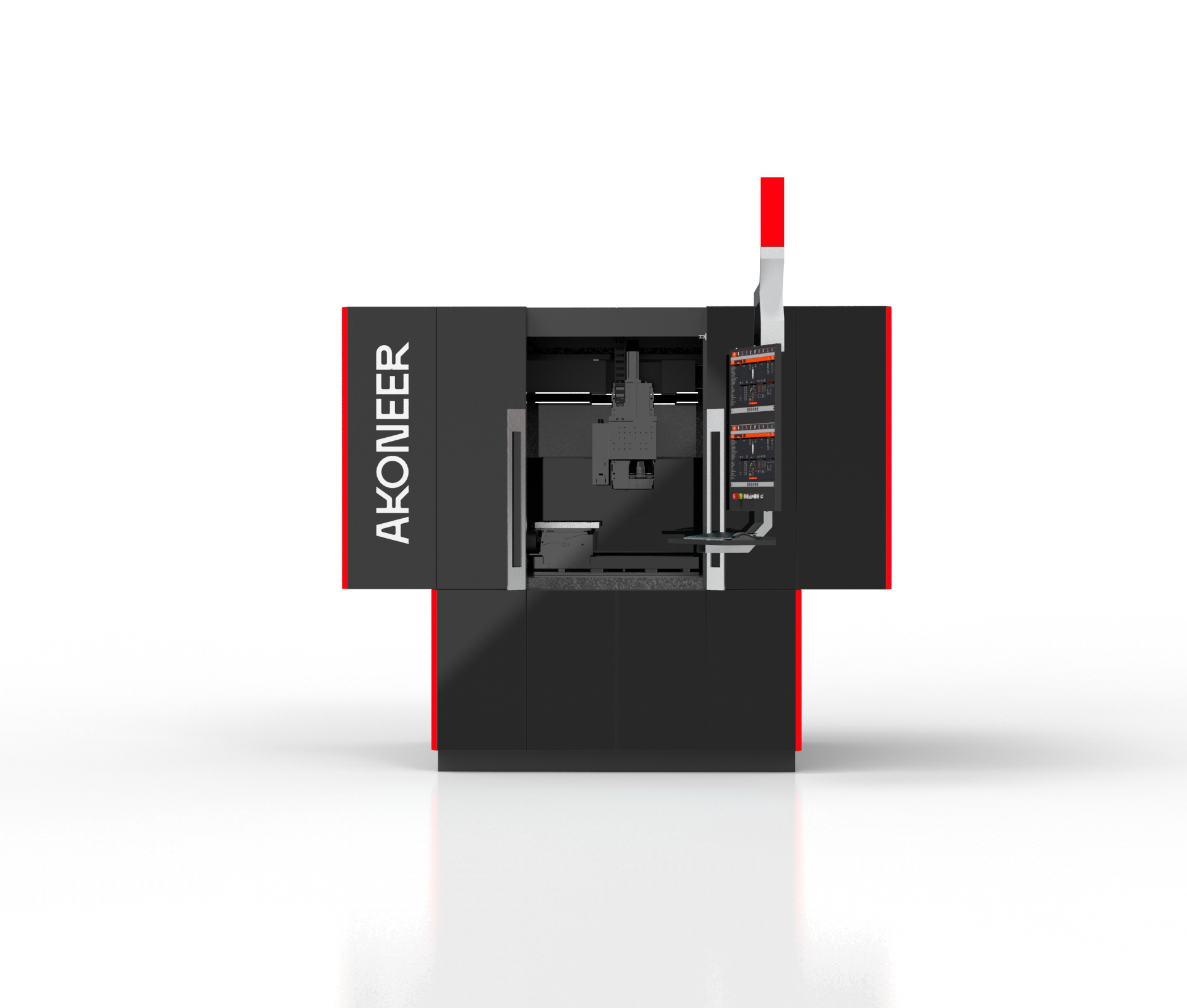
Laser engraving technology has transformed how industries interact with materials, offering precision and efficiency in marking and customization processes. Key players in this ecosystem are manufacturers specializing in the hard parts of laser engraving machines. These components are crucial for ensuring the performance, durability, and reliability of the machines. Understanding the intricacies of these hard parts and their manufacturing processes provides valuable insight into the technology's capabilities and limitations.
The role of hard parts in laser engraving machines
At the core of any laser engraving machine are its hard parts—components that must withstand the physical and thermal stresses of high-intensity laser operations. These include the laser source, optics, motion control systems, and cooling mechanisms. The laser source, often a CO2, fiber, or diode laser, determines the machine's power and wavelength, impacting the range of materials that can be engraved. For example, CO2 lasers offer power ranging from 2 to 6 kW, suitable for cutting steel up to 20 mm thick. Optics, such as lenses and mirrors, focus the laser beam with precision, and must endure high temperatures without degrading. Motion control systems, including motors and drive belts, ensure agility and accuracy, achieving repeatability of ±0.02 mm. Finally, cooling mechanisms are essential to dissipate heat and maintain the system's stability and longevity.
Materials used in manufacturing hard parts
Manufacturing these hard parts demands specialized materials that meet criteria for strength, heat resistance, and durability. For instance, laser sources often incorporate high-quality glass or ceramic materials for insulation, while optics may use fused silica or zinc selenide due to their transparency and thermal stability. Motion control components rely on metals like steel and aluminum alloys, offering the necessary combination of weight and strength. The selection of materials is crucial, directly affecting the machine's performance and lifespan. Manufacturers must balance cost, availability, and performance when selecting materials.
Precision engineering in component production
The manufacture of laser engraving machine hard parts requires precision engineering to meet exacting specifications. This process involves advanced techniques such as CNC machining, laser cutting, and precision grinding. These methods allow for components with tight tolerances, ensuring each part fits seamlessly into the system. Precision engineering is vital not only for individual component functionality but also for overall machine performance. Any deviation from specifications can lead to inefficiencies, engraving errors, or system failures. A notable example is the use of laser engraving machines by a leading aerospace company, which enhanced component marking speed by 50% while maintaining a cutting speed of 30 m min⁻¹.
Quality control and testing
Quality control is a fundamental aspect of manufacturing laser engraving machine hard parts. Rigorous testing verifies that each component meets necessary standards for performance and safety. These tests may include thermal cycling to assess heat resistance, vibration testing for stability, and optical testing to verify lens precision. Manufacturers often adhere to international standards, such as ISO certifications, to guarantee product reliability and safety. Quality control not only safeguards the end-user but also enhances the manufacturer's reputation in a competitive market.
Challenges in manufacturing
The production of hard parts for laser engraving machines presents several challenges. A significant challenge is maintaining consistency in materials and processes to ensure uniform quality. Rapid advancements in laser technology require manufacturers to continuously innovate and adapt designs and materials. Additionally, manufacturers must address environmental concerns, such as raw material sourcing and waste management, to meet regulatory requirements and consumer expectations for sustainable practices. Overcoming these challenges demands a commitment to research and development, as well as strategic investments in technology and infrastructure.
Future trends in manufacturing laser engraving machine hard parts
As laser technology evolves, so will the manufacturing processes for its hard parts. Emerging trends include integrating smart technologies, such as sensors and IoT devices, to enhance machine monitoring and maintenance. Another trend is developing new materials with improved properties, like greater thermal resistance or reduced weight. These advancements aim to increase the efficiency, versatility, and sustainability of laser engraving machines. Manufacturers are also exploring additive manufacturing techniques, such as 3D printing, to produce complex components with reduced waste and shorter lead times. These innovations promise to expand the applications of laser engraving technology and improve accessibility to high-performance machines.
The manufacturing of hard parts for laser engraving machines is a complex and dynamic field. It requires a deep understanding of materials science, precision engineering, and quality control to meet the demands of modern industries. By overcoming challenges and embracing future trends, manufacturers can continue to provide reliable and innovative solutions that drive the growth of laser engraving technology. As this field progresses, collaboration between manufacturers, researchers, and end-users will be key to unlocking the full potential of laser engraving machines in diverse applications.