Laser engraving machine
Laser engraving technology offers detailed and versatile marking solutions for a wide range of materials across various industries.
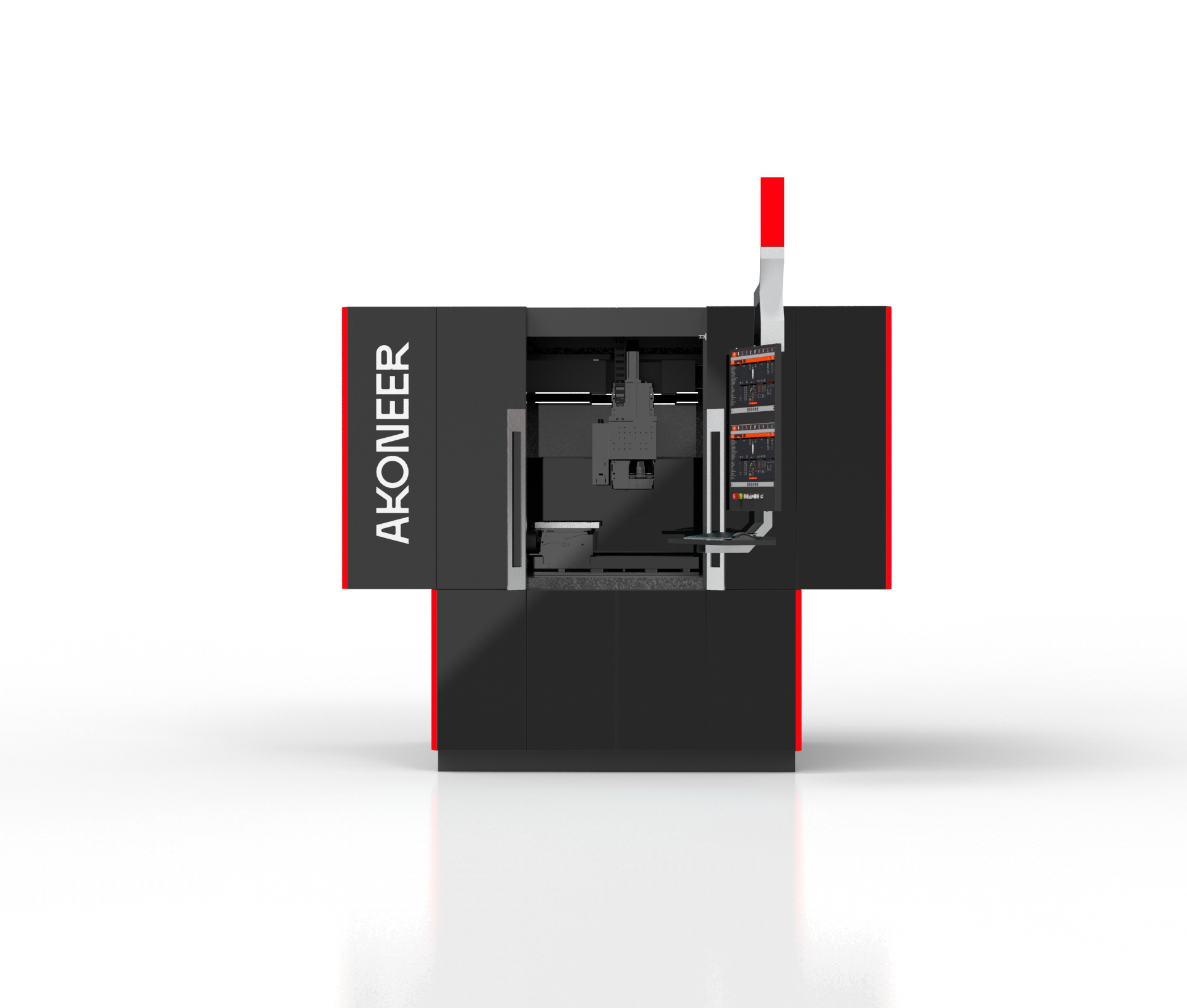
Laser engraving technology has become an integral part of various industries, offering precision, speed, and versatility. With the ability to etch intricate designs onto a wide range of materials, laser engraving machines have revolutionized manufacturing processes, artistic endeavors, and even personal projects. This article explores the capabilities, applications, and advancements in laser engraving machines, providing a comprehensive overview of this powerful tool.
Understanding laser engraving technology
Laser engraving machines utilize focused light beams to vaporize material surfaces, creating precise and permanent designs. The core component of these systems is the laser itself, which includes types such as CO2, fiber, and diode lasers. CO2 lasers are ideal for non-metal materials like wood, acrylic, and glass, while fiber lasers excel with metals. The versatility in laser types allows users to select a machine that best fits their specific needs. The precision of laser engraving is unmatched, with the ability to produce detailed designs with kerf widths around 0.1 mm and repeatability of ±0.02 mm.
Applications across industries
The applications of laser engraving machines span numerous industries, from manufacturing to retail. In the automotive sector, these machines mark parts with serial numbers, barcodes, and logos, ensuring traceability and brand visibility. In consumer goods, laser engraving enables the personalization of products like jewelry, electronics, and promotional items, adding value and uniqueness. In the art world, artists and designers use laser engravers to create intricate patterns and designs on various materials, pushing creativity's boundaries. Additionally, laser engraving machines are crucial in the production of signage, awards, and packaging, where precision and durability are essential. For example, Tesla uses fiber laser engraving machines to mark components with serial numbers, enhancing traceability and reducing rework costs by 20%.
Advancements in laser engraving technology
Recent advancements in laser engraving technology have expanded the capabilities and efficiency of these machines. One significant development is the integration of computer-aided design (CAD) software, which allows for precise control over the engraving process and easy customization of designs. The implementation of automated systems has increased production speed and accuracy, reducing the likelihood of human error. Moreover, improvements in laser source technology have led to more energy-efficient machines, reducing operational costs and environmental impact. The advent of portable laser engraving machines has also opened new possibilities for on-site work and small-scale operations.
Economic and environmental impact
The economic benefits of laser engraving machines are substantial. By increasing production efficiency and reducing material waste, businesses can lower operating costs and increase profitability. The ability to quickly produce custom designs opens new revenue streams, particularly in the growing market for personalized products. Environmentally, laser engraving is a cleaner process compared to traditional methods, which often involve chemicals and produce hazardous waste. The precision of laser engraving reduces material waste, contributing to more sustainable manufacturing practices.
Choosing the right laser engraving machine
Selecting the appropriate laser engraving machine depends on several factors, including the type of material to be engraved, the desired level of detail, and the production volume. CO2 lasers are typically the best choice for non-metals due to their versatility and affordability. Fiber lasers, while more expensive, offer superior performance on metals and are often favored in industrial settings. Considerations such as the size of the work area, which can range from small desktop units to large industrial machines, the machine's speed, often exceeding 30 meters per minute, and the available software options are crucial in making an informed decision. Businesses must evaluate their specific needs and budget constraints to choose a machine that will deliver optimal results.
Future trends in laser engraving
The future of laser engraving technology is promising, with ongoing research and development poised to further enhance its capabilities. Advances in laser precision and speed continue to push the boundaries of what can be achieved, enabling even more detailed and complex designs. The integration of artificial intelligence and machine learning into laser systems holds the potential to automate design processes, optimize efficiency, and expand creative possibilities. Furthermore, as industries increasingly prioritize sustainability, future developments may focus on enhancing the energy efficiency and environmental friendliness of laser engraving machines.
Laser engraving machines have transformed numerous industries by offering unmatched precision, efficiency, and versatility. From industrial applications to personal projects, these machines have opened new avenues for creativity and innovation. As technology continues to advance, the capabilities of laser engraving machines will undoubtedly expand, offering even greater possibilities for users across various fields.