Laser engraving jewelry machine
Laser engraving technology is transforming jewelry design by enabling detailed customization and efficient production, catering to modern consumers' demand for personalized and high-quality pieces.
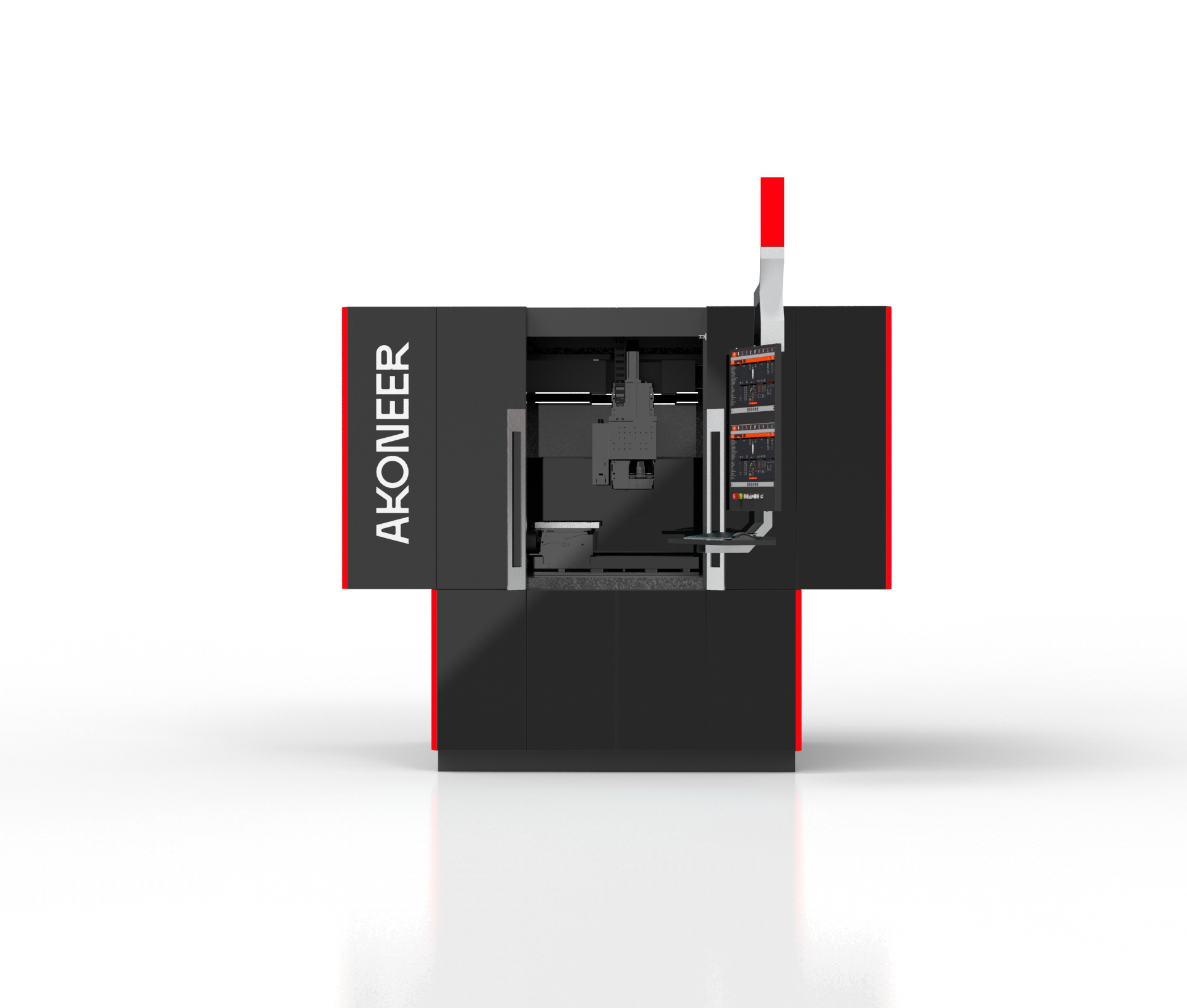
The process of laser engraving has transformed various industries, with the jewelry sector being among the most significantly impacted. As an advanced technology, laser engraving provides precise detailing and customization, making it a preferred choice for jewelers worldwide. This article explores the significance of laser engraving machines in jewelry making, highlighting their benefits, applications, and the future of jewelry design.
Understanding laser engraving technology
Laser engraving uses focused light beams to inscribe designs onto surfaces. Unlike traditional methods that rely on physical tools, lasers offer a non-contact approach. This technology utilizes a laser beam to vaporize materials, creating detailed and permanent designs on jewelry. The precision of laser engraving depends on several factors, including the type of laser used, the material of the jewelry, and the machine settings. Commonly used lasers in jewelry engraving include CO2 lasers and fiber lasers, each having distinct advantages for different materials. For example, fiber lasers typically offer precision with repeatability of ±0.02 mm and can efficiently engrave metals like gold and silver.
Advantages of laser engraving in jewelry making
One of the main benefits of using laser engraving machines in jewelry production is their ability to achieve high precision and intricate detail. Traditional engraving methods may struggle with delicate designs, especially on small surfaces like rings or pendants. Lasers, however, can produce fine lines and complex patterns without contact, reducing the risk of damage. Additionally, laser engraving is a fast and efficient process, significantly reducing production time to mere minutes per piece. This efficiency allows jewelers to fulfill custom orders quickly, meeting customer demands for personalized items.
Cost-effectiveness is another advantage. While the initial investment in a laser engraving machine may be significant, the long-term savings in labor and material costs can be substantial. The non-contact nature of laser engraving minimizes material wastage, as there is no tool wear or replacement. Moreover, the versatility of laser engraving machines means they can be used on a wide range of materials, from gold and silver to titanium and stainless steel, making them a valuable asset for any jewelry business.
Applications of laser engraving in jewelry design
Laser engraving machines offer endless possibilities for customization in jewelry design. Personalization is a growing trend, with consumers seeking unique pieces reflecting their individuality. Engraving names, dates, or special messages on rings, bracelets, and necklaces has become increasingly popular. Laser engraving machines can also create complex patterns and textures that would be difficult to achieve by hand. This ability to customize extends to mass production, allowing brands to offer consistent quality across large volumes of jewelry pieces.
Beyond personalization, laser engraving enhances the aesthetic appeal of jewelry. By adding intricate designs or logos, jewelers can create signature pieces that stand out in a crowded market. This technology supports the creation of limited-edition items, helping brands build exclusivity and value around their products. Furthermore, laser engraving is used in creating functional elements in jewelry, such as adding QR codes for authenticity verification or engraving serial numbers for inventory management. A notable example is the use of fiber lasers by Tiffany & Co., which has resulted in a 30% reduction in production time, allowing the company to meet high-volume demands more efficiently.
The future of jewelry design with laser technology
The integration of laser engraving machines in jewelry making is expected to continue growing, driven by technological advancements and changing consumer preferences. As laser technology evolves, machines are becoming more compact, efficient, and user-friendly, making them accessible to a broader range of jewelers, from small artisans to large manufacturers. The ability to integrate with computer-aided design (CAD) software further enhances precision and creativity.
In the future, we can expect to see even more innovative uses of laser engraving in jewelry design. The development of new materials and techniques will expand possibilities, allowing for pieces that blend traditional craftsmanship with modern technology. Additionally, as sustainability becomes a more significant concern, laser engraving offers an environmentally friendly solution, reducing material waste and energy consumption.
Laser engraving machines have undeniably revolutionized the jewelry industry, offering unparalleled precision, speed, and customization. Their ability to create intricate designs and personalized pieces has made them an essential tool for modern jewelers. As technology continues to advance, the role of laser engraving in jewelry design is expected to grow, paving the way for more innovative and sustainable practices in the industry. Jewelers embracing this technology are well-positioned to meet the evolving demands of consumers and lead the market with unique and high-quality products.