Laser engraving graphite
Laser engraving transforms graphite machining by enhancing efficiency and versatility across various industrial applications.
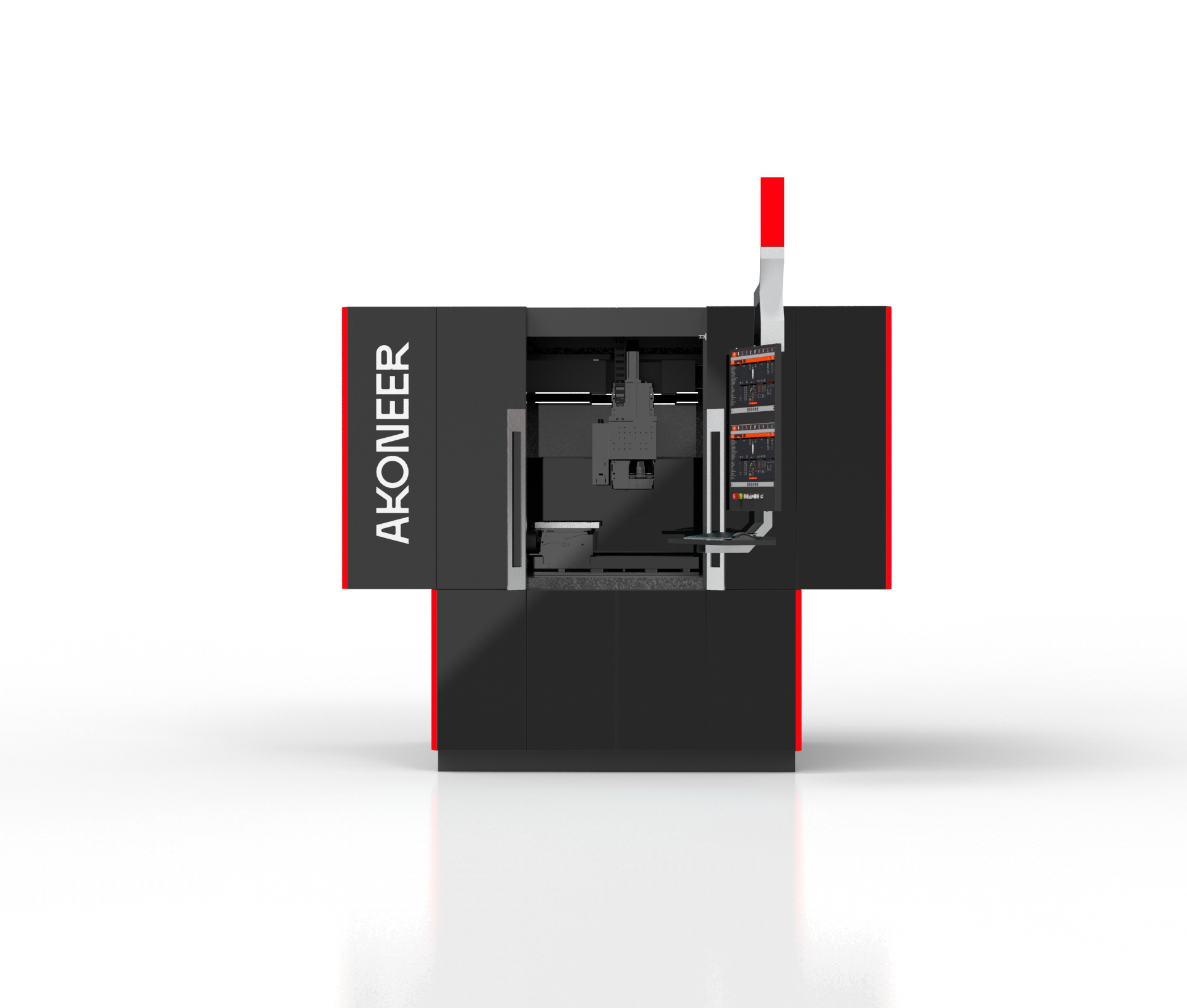
Graphite is a material that has found its place in various industries due to its unique properties. It is a form of carbon characterized by its ability to conduct electricity, resist high temperatures, and withstand chemical reactions. As industries continue to innovate, the demand for precise and efficient machining of graphite has led to the adoption of laser engraving technologies. The use of laser engraving on graphite offers a multitude of advantages, transforming how this material is utilized in manufacturing processes.
Understanding graphite’s properties and applications
Graphite's versatility stems from its distinct characteristics. It has a layered structure that makes it an excellent lubricant and gives it high thermal resistance. Because of these properties, graphite is used in applications such as electrodes in electric arc furnaces, batteries, lubricants, and even as a moderator in nuclear reactors. Its electrical conductivity also makes it essential in electronics and energy storage devices. The ability to engrave graphite with precision is crucial for these applications, as it enhances performance and functionality.
The science behind laser engraving
Laser engraving involves the use of a focused beam of light to remove material from a surface, creating a design or pattern. This process is non-contact, meaning that the laser does not physically touch the material it is working on. Instead, the laser beam vaporizes the material, leaving behind a clean and precise engraving. The intensity and focus of the laser can be adjusted to achieve different depths and effects. When applied to graphite, laser engraving allows for intricate designs and functional modifications without compromising the material's integrity. Typical laser systems used for this purpose range from 2 to 6 kW, offering a repeatability of ±0.02 mm.
Advantages of laser engraving on graphite
Laser engraving offers several benefits when used on graphite. First, it provides unmatched precision. The laser can create intricate designs and complex patterns that would be challenging to achieve with traditional machining methods. This precision is essential for applications where minute details are critical, such as in electronics and specialized industrial components.
Second, laser engraving is highly efficient. Traditional methods of machining graphite can be time-consuming and labor-intensive. Laser engraving, on the other hand, is fast and can be automated, reducing production time and costs. The process also minimizes material waste, as it vaporizes only the material necessary for the engraving.
Third, laser engraving is a versatile technique. It can be used to create both functional and aesthetic designs, making it suitable for a wide range of applications. Whether it's adding identification marks to parts or creating detailed artwork, laser engraving can handle the task with ease. For instance, Company X used a laser engraving system with a cutting speed of 30 m min⁻¹ to enhance the precision of their electronic component production, resulting in a 20% increase in output efficiency.
Challenges and considerations in laser engraving graphite
While laser engraving offers numerous advantages, it is not without challenges. One primary consideration is the potential for thermal damage. The heat generated by the laser can affect the surrounding areas of the graphite, potentially altering its properties. However, by carefully controlling the laser's power and speed, this risk can be minimized.
Another challenge is the production of fumes during the engraving process. Graphite can release fine particles and gases when vaporized, necessitating proper ventilation and safety measures to protect workers and the environment. Advanced laser systems are often equipped with exhaust systems to capture and filter these emissions, ensuring a safe working environment.
Technological innovations in laser engraving systems
The evolution of laser engraving technology has led to the development of sophisticated machines that enhance the machining of graphite. Modern laser systems offer advanced features such as adjustable power settings, high-speed scanning, and precise control over the engraving process. These innovations ensure that the engraving meets exact specifications, whether for industrial components or artistic endeavors.
Additionally, the integration of computer-aided design (CAD) software with laser engraving machines allows for seamless transitions from digital designs to physical products. Operators can input complex designs into the system, and the laser engraver will execute them with high fidelity. This capability expands the creative and functional possibilities of graphite engraving.
Future prospects of laser engraving in graphite applications
As technology advances, the future of laser engraving in graphite applications looks promising. The demand for high-performance materials in industries such as aerospace, electronics, and energy storage continues to grow. Laser engraving provides a method to enhance graphite's utility in these fields by offering precise customization and functional improvements.
The ongoing research and development in laser technology promise even greater efficiency and precision. New laser sources, such as fiber lasers, offer improved performance and reliability, making them ideal for industrial applications. As these technologies become more accessible, the use of laser engraving on graphite is likely to expand, offering new opportunities for innovation and application.
In summary, laser engraving of graphite represents a significant advancement in material processing. Its ability to enhance the precision, efficiency, and versatility of graphite machining makes it a valuable tool in modern manufacturing. As industries continue to evolve, the role of laser engraving in shaping graphite applications will undoubtedly become more prominent, driving further innovation and development.