Laser engraving equipment
Laser engraving technology offers detailed and versatile marking solutions across various industries, enhancing design possibilities on a wide range of materials.
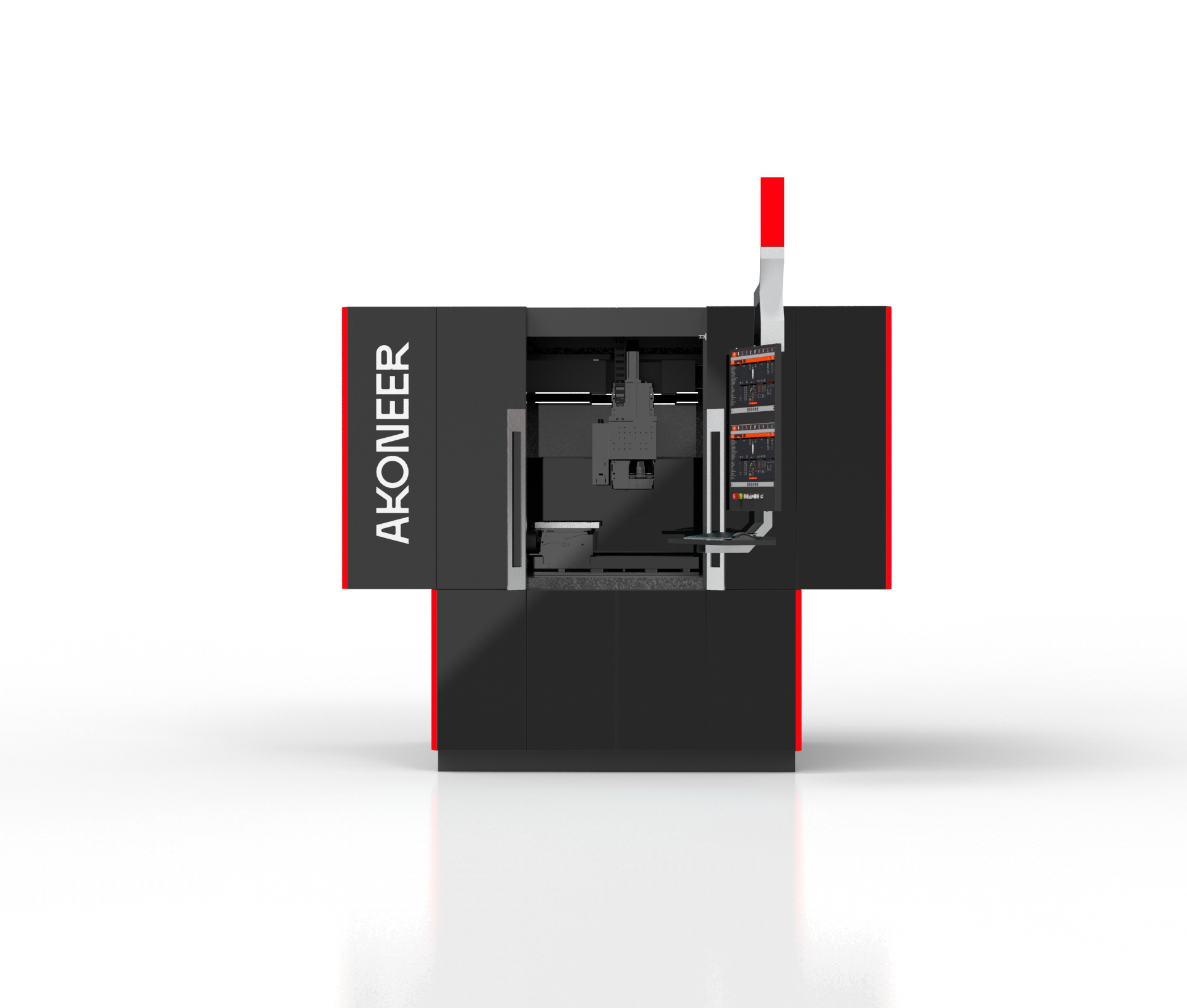
Laser engraving has become an essential technology in various industries, offering precision, speed, and versatility. Laser engraving equipment is fundamental in producing detailed designs on a variety of materials. This article explores the technology behind laser engraving, its applications, the different types of equipment available, and important considerations for selecting the right machine.
Understanding laser engraving technology
Laser engraving involves using a laser beam to etch a design onto a surface. The process begins with a design created in a computer-aided design (CAD) program. The design is then transferred to the laser engraving machine, which uses the laser to vaporize a portion of the material, creating a permanent mark. This technology allows for detailed and intricate designs that are challenging to achieve with traditional engraving methods.
Adjusting the laser's power and speed controls the depth and darkness of the engraving. This flexibility makes laser engraving suitable for a wide range of materials, including wood, glass, metal, plastic, and leather. With precision typically within ±0.02 mm, laser engraving is ideal for applications requiring high detail, such as jewelry and electronics.
Applications of laser engraving
Laser engraving is utilized across various industries due to its ability to produce detailed and durable designs. In manufacturing, it marks parts with serial numbers, barcodes, and logos, essential for traceability and quality control. The capability to engrave on diverse materials makes laser engraving valuable in producing consumer goods like personalized gifts, trophies, and awards.
In the jewelry industry, laser engraving creates intricate designs and personalized messages on rings, pendants, and bracelets. Its precision ensures even the smallest details are captured accurately. In the electronics industry, laser engraving marks circuit boards and components, ensuring essential information is permanently etched onto products. Apple Inc. uses laser engraving to mark its devices, improving aesthetic quality while enhancing traceability, leading to increased consumer trust.
Types of laser engraving equipment
Several types of laser engraving equipment offer unique features and benefits. The most common include CO2 lasers, fiber lasers, and diode lasers. CO2 lasers, operating at power levels from 40 to 150 watts, are widely used for engraving non-metal materials like wood, acrylic, and glass. They are known for their versatility and relatively low cost, making them popular for small businesses and hobbyists.
Fiber lasers are ideal for engraving metals such as stainless steel, aluminum, and copper. With cutting speeds up to 30 m/min, they offer high precision and speed, suitable for industrial applications. Fiber lasers have a longer lifespan and require less maintenance than CO2 lasers, making them a cost-effective choice for high-volume production.
Diode lasers are compact and energy-efficient, making them suitable for small-scale projects. They are often used for engraving on softer materials, such as plastic and wood. Diode lasers, typically more affordable than CO2 and fiber lasers, are a good option for beginners or those on a tighter budget.
Considerations for choosing laser engraving equipment
When selecting laser engraving equipment, several factors should be considered to ensure the machine meets your specific needs. The type of material you plan to engrave will significantly influence your choice. For example, if you primarily work with metals, a fiber laser would be more suitable than a CO2 laser.
The size of the engraving area is another important factor. If you plan to engrave large items, you will need a machine with a larger work area. Conversely, for smaller projects, a machine with a smaller engraving area will suffice.
Budget is also crucial. While high-end machines offer more features and capabilities, they come at a higher cost. It's essential to balance your budget with your requirements, ensuring that you invest in a machine offering the best value for your needs.
Additionally, consider the software that comes with the machine. User-friendly software can make the engraving process more efficient and reduce the learning curve. Some machines offer advanced software features, such as design libraries and editing tools, enhancing creative possibilities.
The future of laser engraving equipment
As technology continues to advance, laser engraving equipment is expected to become even more efficient and versatile. Innovations in laser technology may lead to faster engraving speeds, improved precision, and the ability to engrave on an even wider range of materials. The integration of artificial intelligence could further enhance the capabilities of laser engraving machines, allowing for more complex and automated processes.
Laser engraving equipment plays a crucial role in many industries, offering precision and versatility that traditional methods cannot match. By understanding the different types of equipment and considering factors such as material compatibility, work area size, and budget, businesses and individuals can select the right laser engraving machine for their needs. As technology continues to evolve, laser engraving is poised to become an even more integral part of manufacturing and design.