Laser engraving copper
Laser engraving offers efficient and versatile solutions for working with copper across various industries, despite unique challenges posed by the metal's reflective and thermal properties.
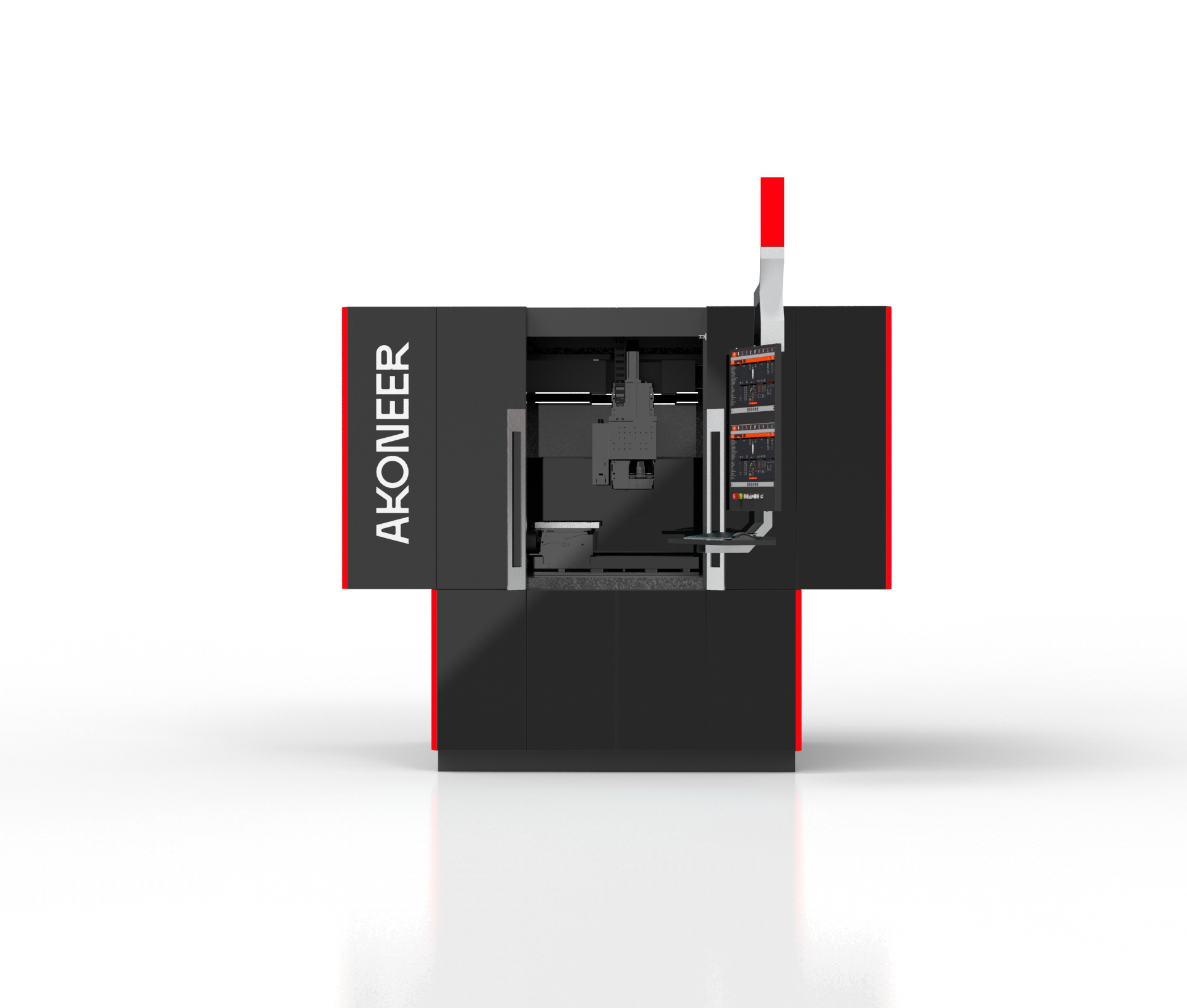
Laser engraving has transformed material processing, offering precision, efficiency, and versatility across industries. When engraving copper, lasers provide unique benefits and challenges. Copper is prevalent in electronics, construction, and art due to its excellent thermal and electrical conductivity. However, its reflective and thermal properties require special considerations during laser engraving.
Understanding laser technology for copper
Laser engraving uses a focused light beam to remove material and create designs on surfaces. For copper, fiber lasers are ideal due to their effective interaction with metal surfaces. These lasers operate at wavelengths absorbed well by metals, providing the necessary power to engrave copper without significant reflections or energy loss. Fiber lasers typically operate in the range of 1-2 kW, allowing precise control over engraving depth and width. This non-contact method reduces tool wear and ensures consistent results without physically distorting the copper.
Applications of laser engraving on copper
Laser engraving is widely used for copper in various industries due to its precision and versatility. In electronics, copper is often used for printed circuit boards (PCBs) where intricate patterns are essential. Laser engraving ensures these patterns are precise, minimizing errors and enhancing electronic component performance. For instance, TechFirm Inc. implemented laser engraving in their PCB manufacturing, increasing production speed by 20% while reducing material waste by 15%.
In construction, copper is valued for its aesthetics and durability. Laser engraving can add intricate designs to copper elements used in facades and interiors, enabling architects to incorporate detailed artwork and branding. In the art and jewelry industry, laser engraving allows artists to create complex designs on copper pieces, enhancing visual appeal and uniqueness. This capability surpasses traditional engraving methods in achieving detailed results.
Challenges and considerations
Engraving copper with lasers presents challenges due to copper's reflective nature. The metal can reflect a significant portion of the laser beam, leading to inefficiencies and potential equipment damage. Operators must carefully calibrate laser settings, including power, speed, and focus, to optimize the process. Copper's thermal conductivity dissipates heat quickly, affecting engraving consistency. Proper cooling systems and pulse settings are vital to maintain engraving integrity and prevent thermal deformation.
Safety precautions are crucial when working with laser systems. The high-intensity beam poses risks to operators, requiring protective gear and training. Operators should also address potential fumes or particles released during engraving by using appropriate ventilation.
Advancements in laser engraving technology
Technological advancements have significantly improved laser engraving systems. Modern fiber lasers offer higher power outputs, up to 6 kW, and enhanced efficiency, making them suitable for challenging materials like copper. Improved software controls allow greater precision and automation, reducing human error. Recent innovations include hybrid laser systems that combine different types to optimize engraving on reflective materials like copper, achieving better absorption and quality.
Integrating artificial intelligence and machine learning into laser systems enables adaptive control of laser parameters based on real-time feedback, enhancing engraving consistency and quality. This adaptability boosts productivity and reduces material waste.
The future of laser engraving copper
As industries demand greater precision and customization, laser engraving will play an increasingly vital role in processing materials like copper. Ongoing R&D efforts aim to refine laser technology, making it more accessible and efficient for a wide range of applications. With the rise of digital manufacturing and personalized products, laser engraving offers the flexibility and accuracy needed to meet these demands. Rapid prototyping and intricate design production on copper will continue to drive innovation and creativity. Laser engraving combines advanced technology with practical applications, offering significant advantages in precision, efficiency, and versatility. Despite its challenges, ongoing advancements promise to make laser engraving even more effective and widely used, securing its place as a critical tool in modern manufacturing and design.