Laser engraving carbon fiber
Laser engraving enhances carbon fiber manufacturing by offering detailed customization and compliance with industry standards.
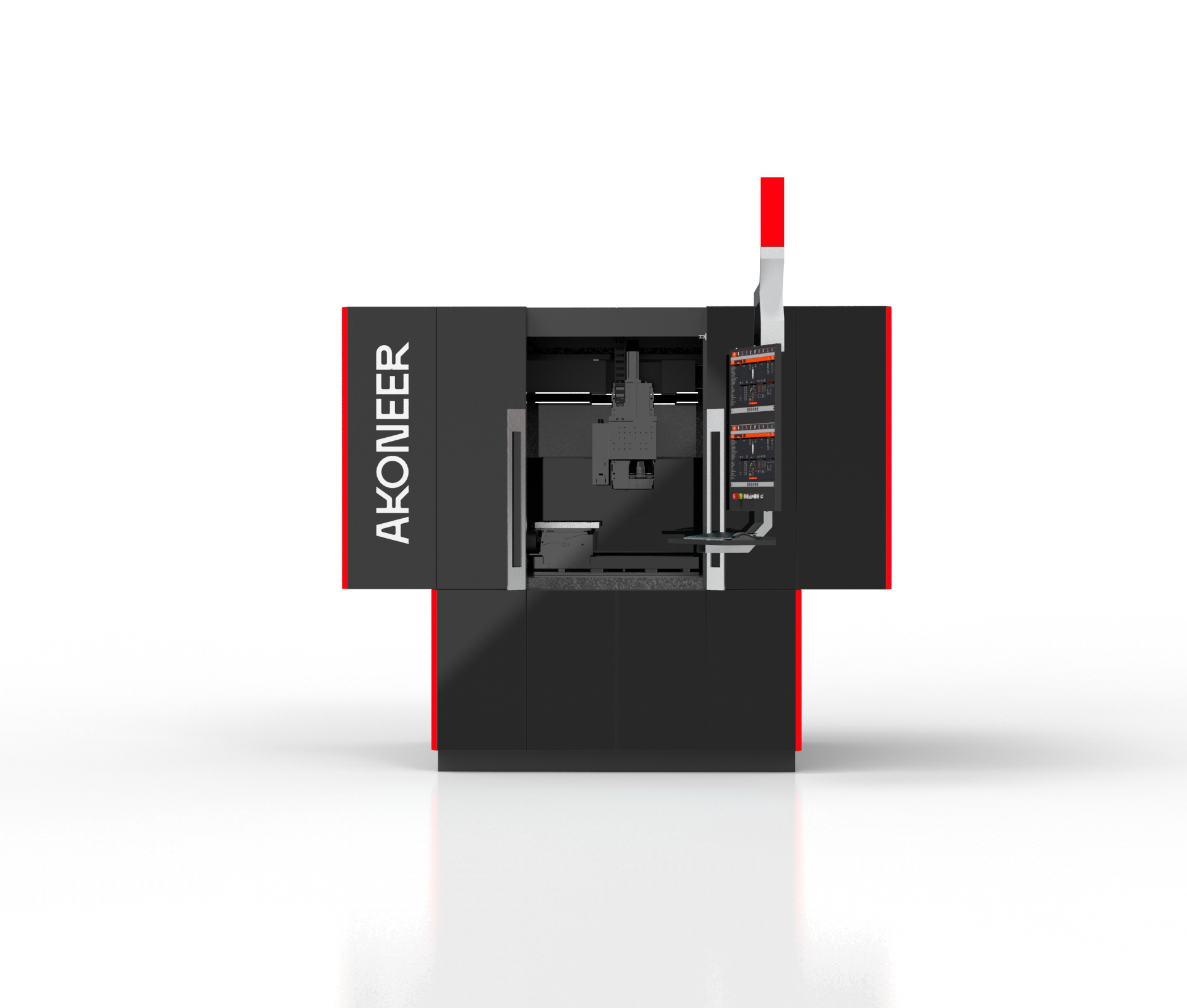
Carbon fiber is a composite material celebrated for its exceptional strength-to-weight ratio, making it indispensable in aerospace, automotive, sports equipment, and electronics industries. This material is composed of thin carbon strands woven tightly and embedded in a resin matrix, resulting in a product that is both lightweight and incredibly strong. These attributes make carbon fiber ideal for high-performance applications where reducing weight without sacrificing strength is crucial.
Understanding carbon fiber and its applications
Laser engraving has become a crucial process in the manufacturing and customization of carbon fiber products. This technique utilizes a focused beam of light to etch or mark the material's surface with precision. Unlike traditional methods, laser engraving is non-contact, reducing the risk of damage or distortion. It is especially advantageous for creating detailed designs, logos, or serial numbers on carbon fiber.
Technical considerations for laser engraving carbon fiber
When engraving carbon fiber, several technical factors must be considered. The material's composition can vary, affecting its response to laser processing. The resin matrix and type of carbon fibers influence how the material absorbs laser energy. It's essential to choose a laser system compatible with the specific carbon fiber type. For instance, a power range of 20–100 W and a kerf width of approximately 0.1 mm are typical settings. Calibrating power and speed settings is crucial to achieve desired engraving depth and clarity without causing burns or delamination.
Benefits of laser engraving carbon fiber
Laser engraving offers significant advantages for carbon fiber materials. It enables the production of precise and intricate designs with high repeatability, crucial in industries requiring exact specifications. It also supports high customization, allowing manufacturers to personalize products with unique designs or identifiers. The non-contact nature minimizes tool wear or material damage, unlike mechanical methods. For instance, Boeing uses laser engraving for traceability on components, ensuring compliance with stringent aerospace regulations and enhancing brand recognition.
Challenges and solutions in laser engraving carbon fiber
Despite its benefits, laser engraving carbon fiber presents challenges. One major issue is the release of fumes and particulates during the process, necessitating proper ventilation and filtration systems to protect operators and maintain safety. Achieving consistent engraving quality across different carbon fiber batches, which may vary in composition, is another challenge. Manufacturers can address this by implementing rigorous quality control measures and thoroughly testing laser settings for each material batch.
Applications and industry impact
The application of laser engraving on carbon fiber spans various industries, each benefiting from this material's unique properties. In the automotive sector, laser engraving marks components with identification codes or aesthetic designs, enhancing functionality and brand recognition. In aerospace, precise engraving is critical for traceability and compliance with stringent regulations. The sports equipment industry uses laser engraving to customize gear like bicycles and golf clubs, appealing to consumers seeking personalized products. Laser technology not only enhances carbon fiber products' functionality and appeal but also positions manufacturers to meet modern market demands.
Future trends and developments in laser technology
As laser technology advances, new opportunities for engraving carbon fiber will emerge. Improvements in fiber laser systems, beam quality, and control are expected to enhance precision and efficiency. Innovations in automation and software integration will streamline the engraving process, allowing for faster production times and reduced costs. With increasing environmental regulations, the industry will focus on developing cleaner engraving technologies to minimize harmful emissions. These advancements will enable manufacturers to push the boundaries of design and functionality in carbon fiber products.
Laser engraving has established itself as a vital process in fabricating and customizing carbon fiber materials. Its precision, flexibility, and ability to meet modern industries' high standards make it a preferred choice for manufacturers. As technology evolves, the applications and capabilities of laser engraving will continue to drive innovation in using carbon fiber across various sectors. The ongoing development of laser technology promises to enhance the efficiency, safety, and sustainability of this process, ensuring its continued relevance in the manufacturing landscape.