Laser engraving carbide
Laser engraving transforms carbide materials with unmatched accuracy and efficiency, offering significant advantages in various industries.
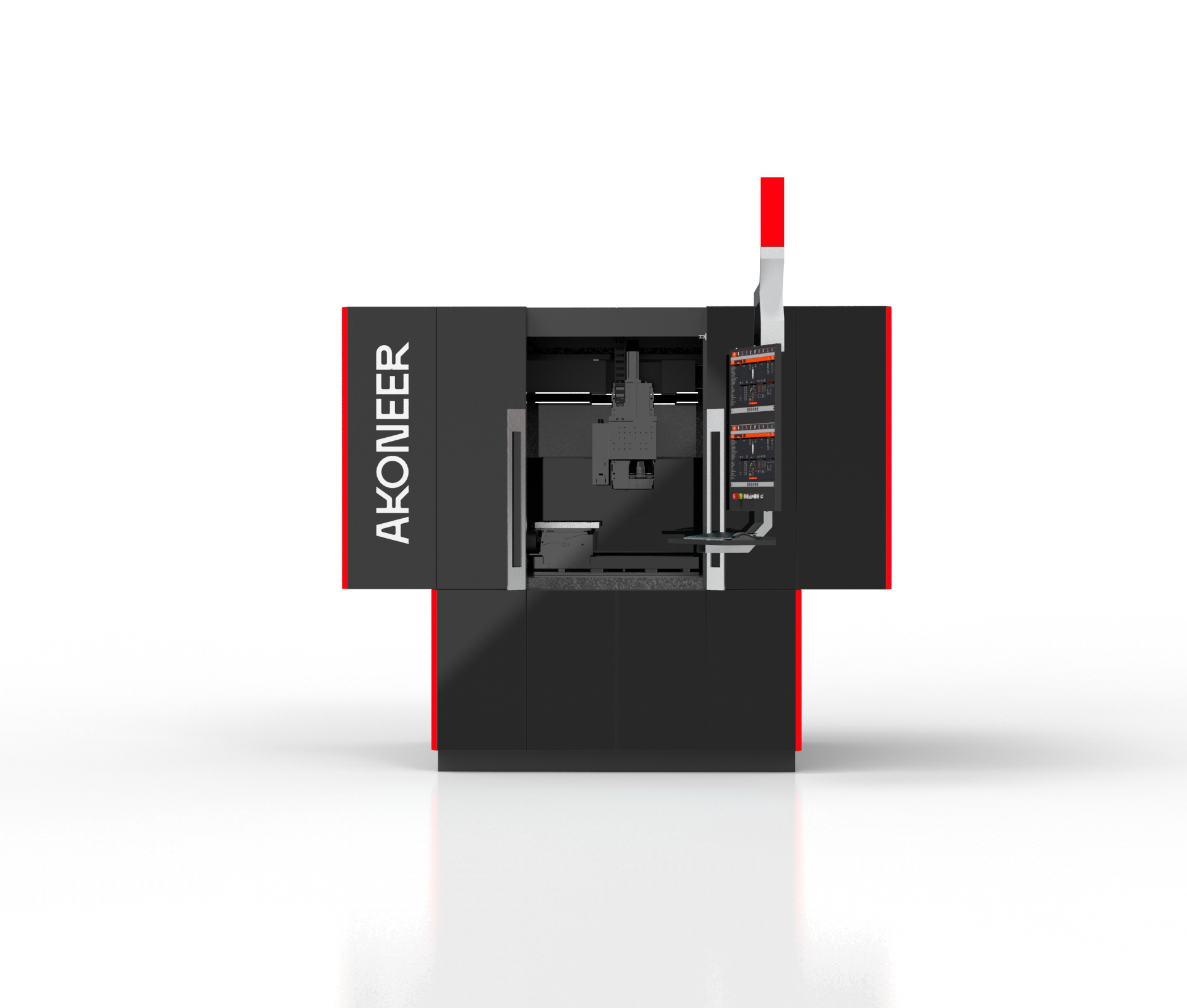
Laser engraving has transformed the world of manufacturing and design, offering precision and versatility unmatched by other techniques. Particularly impactful in processing carbide materials, understanding the intricacies of laser engraving carbide can lead to improved applications and outcomes across various industries.
Understanding carbide and its applications
Carbide is a compound containing carbon and another element, typically a metal like tungsten or titanium. Known for its exceptional hardness and wear resistance, carbide is used in demanding environments. It is commonly found in cutting tools, industrial machinery, and jewelry. Its durability presents challenges for engraving, where traditional methods often fail to achieve desired precision or risk damaging the material. This is where laser engraving becomes invaluable.
The science behind laser engraving
Laser engraving operates by using concentrated light to etch designs or marks onto a surface. The precision stems from control over the laser’s intensity, speed, and focus. For carbide, the laser’s energy is absorbed, causing a reaction that removes or alters the surface layer. This process facilitates highly detailed and accurate engravings without compromising structural integrity. The non-contact nature also minimizes wear on tools, extending their lifespan and reducing maintenance costs. Typical laser engravers for carbide operate at power levels between 2-6 kW, with precision repeatability of ±0.02 mm.
Advantages of laser engraving carbide
One main advantage of laser engraving on carbide is precision. The focused light allows for accurate designs, enabling intricate patterns and fine details impossible with mechanical methods. This precision is crucial in industries requiring exact specifications, like aerospace or medical device manufacturing. Additionally, laser engraving is versatile, suitable for complex shapes and surfaces, often necessary in modern engineering and design.
Another benefit is speed. Laser engraving can be performed more quickly than traditional methods, increasing productivity and reducing turnaround times. This efficiency does not sacrifice quality, as the laser’s precision ensures each engraving is consistent and meets high standards. Furthermore, laser engraving is a clean process, producing minimal waste and requiring no additional materials such as inks or solvents, making it environmentally friendly.
Challenges and considerations
Despite numerous benefits, challenges exist when working with carbide. Its hardness necessitates a laser with sufficient power and the right wavelength to achieve desired results. Not all laser machines handle carbide effectively, so choosing the right equipment is critical. Understanding the specific properties of the carbide being used is essential, as variations in composition affect how the material reacts to the laser.
Another consideration is potential thermal stress. The engraving process generates heat, causing thermal expansion and stress within the material. Managing this requires precise laser settings and may necessitate additional cooling measures to prevent damage. Operators must be well-trained to adjust parameters based on the carbide's specific characteristics.
Applications across different industries
Engraving carbide with precision opens a wide range of applications across industries. In manufacturing, laser engraving creates durable and readable markings on cutting tools and machine parts, ensuring traceability and quality control. In the jewelry industry, it personalizes carbide pieces with intricate designs or inscriptions, adding value to the finished product. Aerospace and automotive industries utilize laser engraving to mark components with identification numbers or safety information.
Laser engraving of carbide is increasingly important in electronic device production, where miniaturization and precision are key. The ability to engrave small, detailed circuits or text onto carbide substrates is crucial for developing advanced technologies. For instance, the company Coherent has implemented laser engraving technology for their clients in the electronics sector, significantly improving production efficiency by reducing marking times by up to 40%.
Future trends in laser engraving carbide
As technology advances, laser engraving machines' capabilities are expected to grow. Innovations in laser technology, such as developing more powerful and efficient lasers, will likely expand the range of materials that can be engraved and improve outcomes on carbide. Additionally, advancements in software will enhance the precision and complexity of achievable designs, opening new possibilities for customization and functionality.
The growing emphasis on sustainability in manufacturing is expected to drive laser engraving adoption. As industries seek methods minimizing waste and environmental impact, the clean nature of laser engraving makes it an attractive option.
In summary, laser engraving carbide offers significant advantages in precision, speed, and versatility. While challenges exist, continued advancements in laser technology promise to enhance its applications and effectiveness across various industries. Engraving complex and durable materials like carbide not only meets current demands but also paves the way for future innovations in manufacturing and design.