Laser engraving aluminum
Laser engraving aluminum offers a versatile and efficient method for adding intricate designs and essential markings to various industrial components.
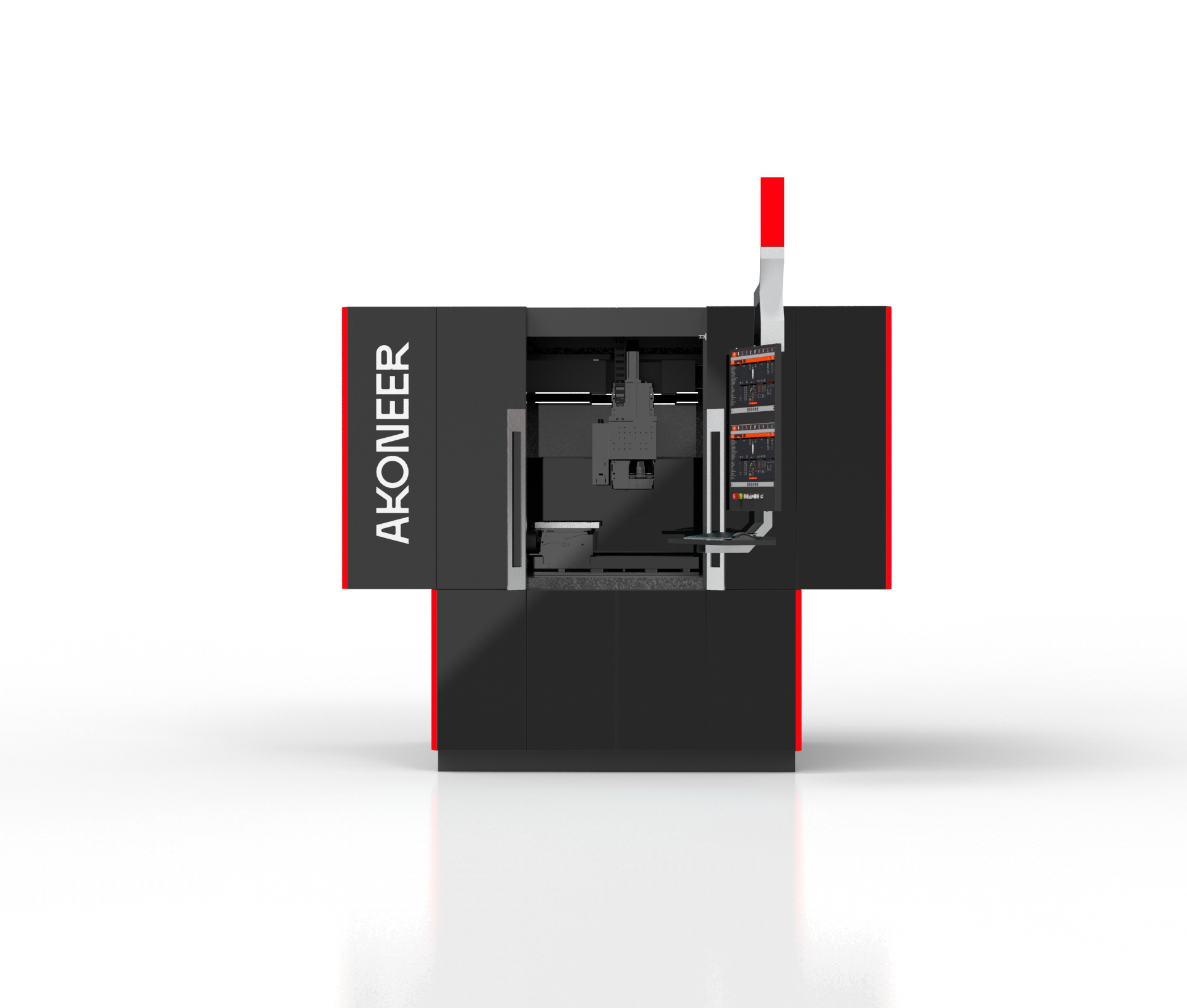
Aluminum is a versatile and widely used material across various industries, from aerospace to consumer electronics. Its popularity stems from its lightweight nature, resistance to corrosion, and excellent thermal conductivity. Laser engraving aluminum has emerged as a preferred method for adding intricate designs, logos, and text to aluminum surfaces. This article explores the process, advantages, and applications of laser engraving on aluminum, providing insights into why it has become a crucial technique in modern manufacturing.
Understanding the laser engraving process
Laser engraving uses a focused beam of light to remove material from the surface of an object, with the process controlled by a computer directing the laser to follow specific patterns or designs. When the laser beam, typically with a power range of 20-100 watts, hits the aluminum surface, it vaporizes a thin layer of material, creating a contrast between the engraved and non-engraved areas. This method is highly precise, allowing for intricate designs that would be challenging to achieve with traditional engraving techniques.
The choice of laser type is critical in aluminum engraving. Fiber lasers are commonly used because they are highly effective at interacting with metals, including aluminum. These lasers feature a smaller spot size, around 0.1 mm, and a higher energy density, resulting in cleaner and more precise engravings. Additionally, the wavelength of fiber lasers is well-suited for metal surfaces, ensuring efficient energy absorption and minimal thermal distortion.
Advantages of laser engraving on aluminum
One significant advantage of laser engraving aluminum is its non-contact nature. The laser does not physically touch the material, reducing the risk of damage or deformation. This is particularly important for thin aluminum sheets or components with delicate structures. The absence of physical contact also means there is no tool wear, a factor that can save costs in large-scale production.
Laser engraving is also highly versatile, capable of producing markings ranging from deep engravings to surface-level etchings, accommodating a variety of design requirements. The technology allows for rapid changes in design without the need for new tooling, making it ideal for industries requiring customization or frequent updates to design specifications.
Another notable advantage is the precision and repeatability offered by laser engraving. The computer-controlled process ensures that each engraving is identical, which is crucial for maintaining consistency in branding and product identification. With repeatability at ±0.02 mm, the high level of precision enables the engraving of small text and detailed graphics, essential for serial numbers, barcodes, and intricate logos.
Applications across industries
Laser engraving aluminum is widely used due to its adaptability and efficiency. In the automotive industry, it marks parts and components with identification numbers, logos, and other essential information. These engravings are permanent and resistant to wear and environmental factors, ensuring longevity and traceability.
In the aerospace sector, where precision and durability are paramount, laser engraving is used for marking critical components. The process ensures that all markings are legible and withstand the harsh conditions of aerospace environments. Additionally, the non-contact nature of laser engraving means that the structural integrity of lightweight aluminum components is maintained.
Consumer electronics is another area where laser engraving aluminum is prevalent. Many electronic devices feature aluminum casings or components that benefit from laser marking. The technique allows manufacturers to add branding, serial numbers, and regulatory information without compromising the device's aesthetics or structural properties.
Environmental and economic considerations
The environmental impact of manufacturing processes is an increasing concern for industries worldwide. Laser engraving aluminum is environmentally friendly because it produces minimal waste. Unlike traditional engraving methods that generate chips or shavings, laser engraving vaporizes the material, resulting in negligible waste.
From an economic perspective, laser engraving can be cost-effective in the long run. While the initial investment in laser equipment may be higher than traditional methods, the absence of consumables like cutting tools and the reduced need for maintenance can lead to significant savings over time. Additionally, the speed and efficiency of laser engraving can increase production throughput, further enhancing its economic viability.
Future trends and developments
The field of laser engraving is continually evolving, with advancements in technology promising even greater capabilities. Future trends include the development of more powerful and efficient lasers, which could enable faster engraving speeds and deeper markings. There is also ongoing research into software improvements that enhance design flexibility and ease of use.
As industries increasingly adopt digital manufacturing processes, the integration of laser engraving into automated production lines is expected to grow. This integration can lead to more efficient and streamlined operations, with laser engraving serving as a critical component of Industry 4.0 initiatives.
Laser engraving aluminum is a transformative process that offers precision, efficiency, and versatility across various industries. Its ability to produce high-quality, durable markings makes it an essential technique in modern manufacturing. As technology continues to advance, laser engraving will likely play an even more prominent role in the future of industrial production.