Laser engraving 3D
Laser engraving 3D technology enables the creation of intricate patterns and detailed markings on various materials with enhanced depth and texture.
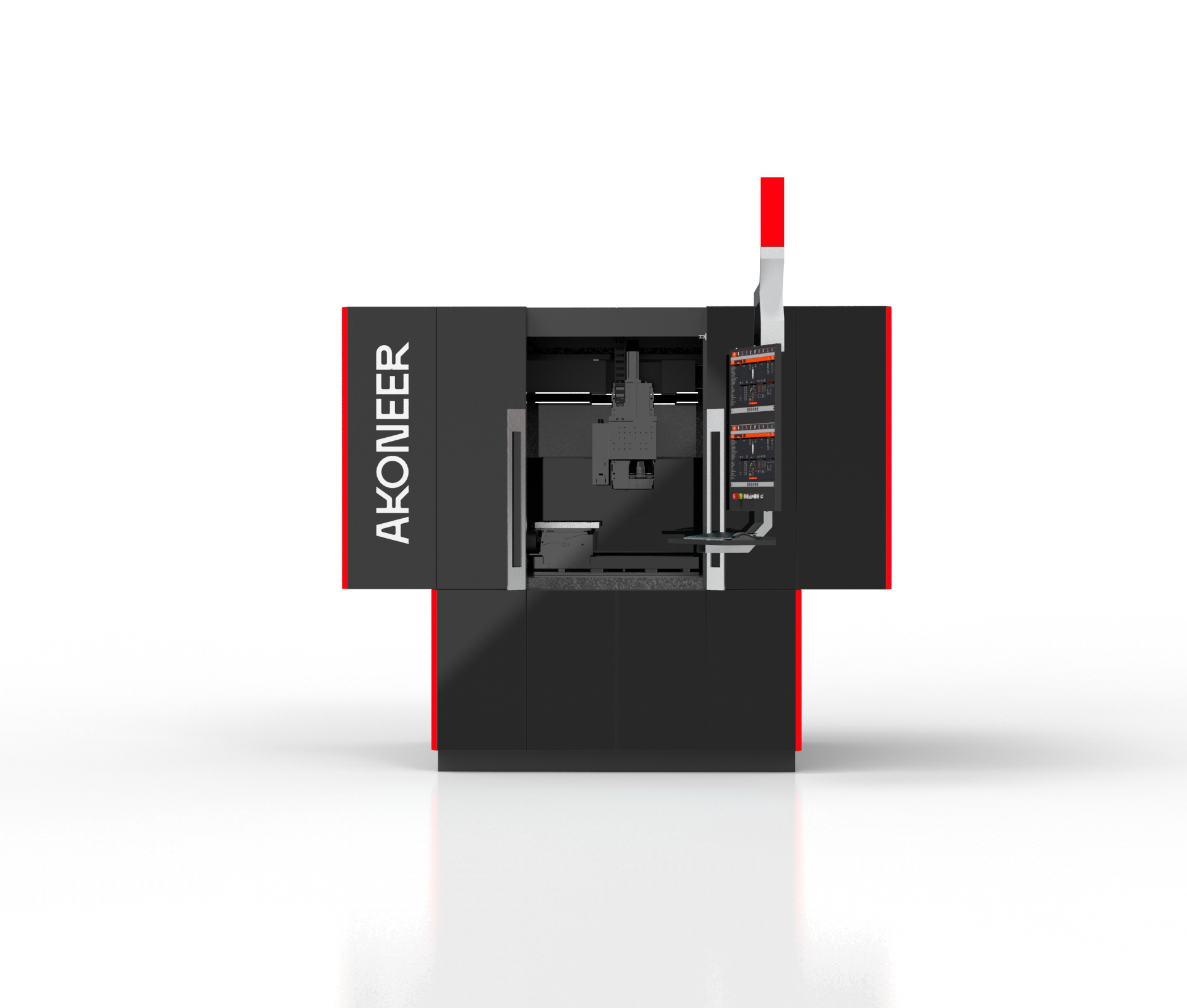
In the ever-evolving landscape of manufacturing and design, laser engraving has emerged as a powerful tool for creating intricate patterns and detailed markings on various materials. While traditional laser engraving operates on a two-dimensional plane, the advent of laser engraving 3D technology has expanded possibilities, allowing for more complex and textured designs. This article delves into the mechanics, applications, and benefits of laser engraving in three dimensions, offering insights into its transformative impact on multiple industries.
Understanding the mechanics of laser engraving 3D
Laser engraving 3D utilizes advanced laser technology to carve or etch designs onto the surface of materials with high precision. Unlike 2D engraving, which restricts the laser to a flat plane, 3D engraving involves manipulating the laser to create depth and texture, producing a more realistic and detailed finish. The process typically involves a computer-controlled laser beam that moves along the x, y, and z axes, allowing it to penetrate different layers of a material. By controlling the laser's depth of penetration and intensity, manufacturers can achieve varying levels of relief and texture.
The equipment used in 3D laser engraving is more sophisticated than its 2D counterpart, often incorporating advanced software for design and simulation. The laser's ability to focus on specific points and adjust its intensity with precision—often with a kerf as narrow as 0.1 mm and repeatability of ±0.02 mm—makes it invaluable for intricate designs. Materials such as wood, acrylic, metal, and glass can be engraved with high accuracy, making the technology versatile across different applications.
Applications across diverse industries
The versatility of laser engraving 3D technology has led to its adoption across a wide range of industries. In product design and manufacturing, companies use 3D engraving to add intricate details to products, enhancing their aesthetic appeal and functionality. For instance, in the automotive industry, manufacturers employ this technology to engrave detailed textures and patterns on car interiors, dashboard components, and even on the vehicle's exterior for branding purposes.
In the world of fashion and textiles, laser engraving 3D creates unique patterns on fabrics, leather, and other materials, allowing designers to produce custom designs with precision and repeatability. Similarly, in the jewelry industry, 3D laser engraving is used to etch detailed patterns on precious metals and gemstones, resulting in exquisite and personalized pieces.
The art and décor industry benefits significantly from 3D laser engraving. Artists and designers utilize this technology to create sculptures and decorative pieces with intricate details that would be challenging to achieve manually. This has opened new avenues for creativity and innovation in art.
Benefits of embracing laser engraving 3D
Laser engraving 3D offers several advantages that make it attractive for businesses and individuals alike. One primary benefit is the precision and consistency it provides. The ability to replicate intricate designs with high accuracy ensures that each piece is identical, crucial for mass production and quality control.
Another significant advantage is production speed. Laser engraving 3D is faster than traditional methods, allowing for quicker turnaround times and increased efficiency. This speed, with cutting capabilities of up to 30 m min⁻¹, can lead to cost savings, as businesses can produce more in less time without compromising quality.
The technology's flexibility is also noteworthy. With the capability to engrave on a wide range of materials, businesses can cater to diverse customer needs and develop standout products. Additionally, the non-contact nature of laser engraving means minimal wear and tear on the materials, resulting in longer-lasting products.
Challenges and considerations
Despite numerous advantages, laser engraving 3D is not without challenges. One primary consideration is the initial investment cost. The equipment required for 3D laser engraving is generally more expensive than traditional 2D machines, which can be a barrier for smaller businesses.
Moreover, operating 3D laser engraving machines requires specialized knowledge and training. Companies must invest in skilled personnel who can effectively manage the equipment and software. Maintenance and calibration of machines are also critical to ensure optimal performance and accuracy.
Material compatibility is another factor to consider. While laser engraving 3D can work with various materials, not all react the same way to laser exposure. Understanding each material's properties and how they interact with the laser is crucial for achieving desired results.
Future prospects of laser engraving 3D
The future of laser engraving 3D looks promising as technology continues to advance. Innovations in laser technology and software are expected to enhance the capabilities of 3D engraving machines, making them more efficient and accessible. As costs decrease over time, more businesses, including small and medium-sized enterprises, are likely to adopt this technology.
Furthermore, as industries continue to demand more customized and intricate designs, the role of laser engraving 3D will become increasingly important. The technology's ability to transform ideas into tangible products with precision and speed positions it as a key player in the manufacturing and design sectors.
Laser engraving 3D represents a significant leap forward in engraving technology. Its ability to produce detailed and complex designs across various materials has expanded its applications and benefits. While challenges remain, continued advancements and innovations are set to drive its growth and acceptance across industries.