Laser engraving 2D
Laser engraving 2D technology offers efficient, contactless methods for creating detailed designs on various materials, benefiting multiple industries.
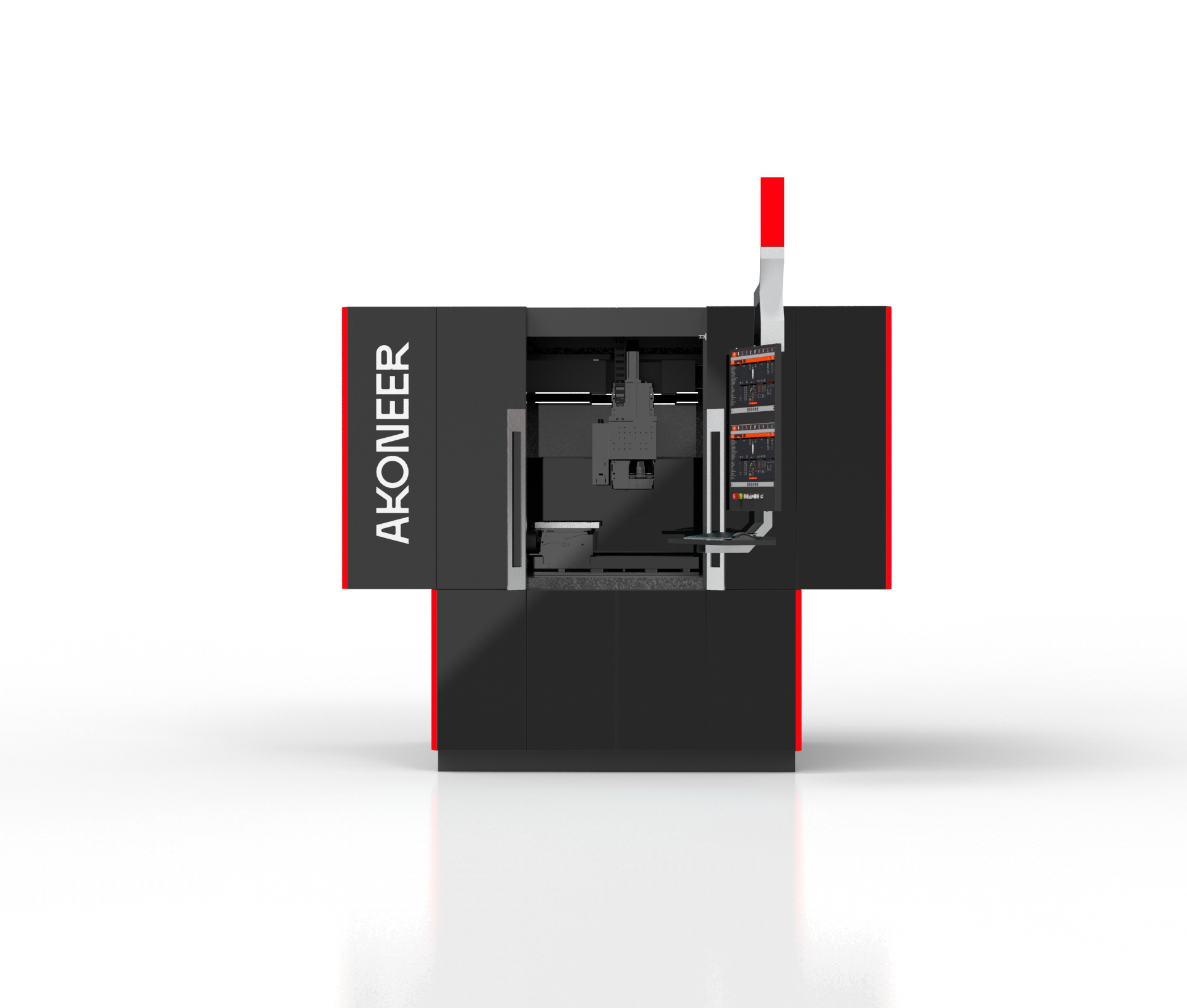
Laser engraving 2D technology has revolutionized industries by providing precise and efficient methods for marking and designing various materials. This article explains what laser engraving 2D involves, how it works, its applications, benefits, and considerations for those interested in using this technology.
Understanding laser engraving 2D
Laser engraving 2D is a process that uses laser technology to vaporize material and create precise designs on a flat surface. Unlike traditional engraving methods that rely on physical tools to etch into a surface, laser engraving employs focused laser beams to achieve high precision and detail without direct contact. This non-contact method allows for a cleaner and more controlled process, reducing wear on tools and minimizing material distortion.
The term ""2D"" refers to the flat, two-dimensional nature of the designs produced. This contrasts with 3D laser engraving, which involves adding depth and dimension to the engravings. In 2D engraving, the laser beam traces the design on the surface, following specific paths determined by digital input files. These files are typically created using computer-aided design (CAD) software, which allows for intricate and customizable patterns.
How laser engraving 2D works
The process starts with the creation of a digital design file, which is loaded into the laser engraving machine's software. The software translates the design into instructions for the laser, which has a repeatability of ±0.02 mm. A laser source generates the beam, directed onto the material's surface through mirrors and lenses. The intensity and speed of the laser, reaching up to 30 m/min, can be adjusted to suit the material and desired outcome. As the laser moves across the material, it removes layers to reproduce the design with precision.
Different materials respond differently to laser engraving, and parameters must be adjusted accordingly. For example, settings for engraving wood differ from those for metal or plastic. The versatility in adjusting these settings makes laser engraving capable of handling a wide range of materials.
Applications of laser engraving 2D
Laser engraving 2D has found applications across numerous industries due to its versatility and precision. In the manufacturing sector, it is used for marking parts and components with serial numbers, logos, or other identifiers. This is particularly useful in industries such as aerospace and automotive, where traceability is crucial.
In the world of art and design, laser engraving offers artists a way to reproduce detailed designs on various materials, including wood, glass, and acrylic. This technology has enabled the creation of intricate artwork and personalized gifts that were previously difficult to achieve with traditional methods.
The jewelry industry also benefits from laser engraving 2D. Engraving names, dates, or special messages on rings, bracelets, and other pieces has become more accessible and precise. Additionally, the ability to engrave on flat surfaces allows for the customization of items like plaques and trophies, making them more meaningful and personalized.
Benefits of laser engraving 2D
One of the primary benefits of laser engraving 2D is its precision. The technology allows for highly detailed designs, even on small surfaces. This level of detail is particularly valuable in industries where accuracy is paramount, such as in the production of electronic components.
Laser engraving is also highly efficient. The process is faster than traditional methods, reducing production time and increasing throughput. With a laser power ranging from 2 to 6 kW, the non-contact nature of laser engraving means there is less wear and tear on the equipment, leading to lower maintenance costs and a longer machine lifespan.
Another significant advantage is the versatility of laser engraving 2D. It can be applied to a wide range of materials, including metals, plastics, wood, glass, and leather. This flexibility makes it an attractive option for businesses and artists who work with diverse materials.
Considerations for using laser engraving 2D
While laser engraving 2D offers many advantages, there are considerations to keep in mind. The initial investment in laser engraving equipment can be significant, especially for high-quality, industrial-grade machines. However, the long-term savings in maintenance and increased productivity can offset these costs.
Understanding material properties is crucial for successful engraving. Different materials require different settings, and incorrect parameters can result in poor quality engravings or damage to the material. Familiarity with the software and equipment is essential to achieve the desired results.
Safety is another important factor. Laser engraving involves high-intensity beams that can cause harm if not handled correctly. Proper training and safety measures are necessary to ensure a safe working environment.
Laser engraving 2D technology has become an indispensable tool in many fields. Its precision, efficiency, and versatility make it a valuable asset for businesses and individuals alike. By understanding how laser engraving works and considering the necessary factors, users can fully leverage this technology to achieve their design and production goals.