Laser engraving
Laser engraving technology offers unmatched detail and adaptability, impacting industries from jewelry to aerospace with its non-contact, efficient process.
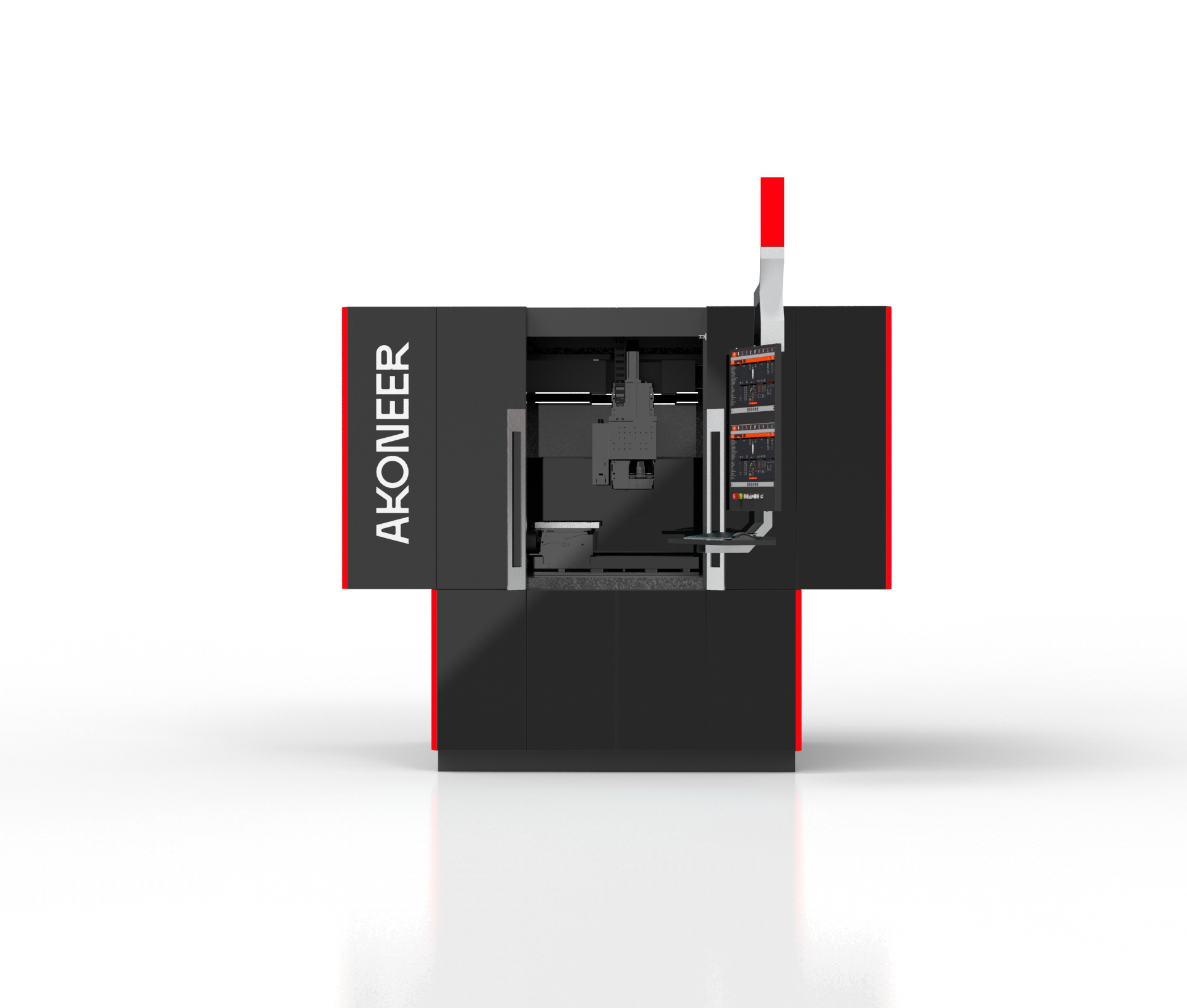
The world of manufacturing and design has been transformed by technological advancements, with laser engraving standing out as a pivotal innovation. This technology has redefined how businesses and hobbyists create intricate and precise designs on various materials. Laser engraving's precision and versatility make it indispensable in industries ranging from jewelry to aerospace.
The science behind laser engraving
Laser engraving employs a concentrated beam of light to etch designs onto surfaces. It involves directing a laser beam through mirrors and lenses to focus on a small area of the material's surface. By controlling the intensity, speed, and focus of the beam, the laser removes material to achieve the desired depth and design. This non-contact process minimizes wear and tear on tools and materials. The precision of laser engraving is unmatched, with repeatability typically around ±0.02 mm, allowing for detailed designs that are difficult to achieve with traditional methods.
Materials suitable for laser engraving
One of laser engraving's greatest advantages is its adaptability to various materials. Whether working with wood, metal, glass, acrylic, leather, or even food, laser engraving can be customized to suit each material's unique characteristics. Wood engravings provide a rustic look, while glass engravings offer elegance. Metals like stainless steel and aluminum can be permanently marked with intricate designs, making laser engraving ideal for industrial applications. The capability to engrave diverse materials opens up endless customization possibilities.
Applications across various industries
Laser engraving is utilized in numerous industries, each benefiting from its precision and efficiency. In jewelry, it creates intricate patterns and detailed inscriptions on precious metals. The automotive sector uses laser engraving for marking parts with serial numbers and barcodes, ensuring traceability. The electronics industry applies this technology for circuit board etching and component marking. Even the food industry uses laser engraving to mark produce with logos and expiration dates, eliminating the need for stickers. The adaptability of laser engraving ensures it remains a valuable tool across sectors.
Advantages over traditional engraving methods
Compared to traditional methods, laser engraving offers speed, precision, and consistent results. As a non-contact process, it minimizes the risk of damage to the material. Additionally, laser engraving provides design flexibility, easily reproducing complex images and text. This technology reduces production costs by minimizing waste and requiring less maintenance than mechanical tools. The combination of speed, precision, and cost-effectiveness makes laser engraving a preferred choice in modern manufacturing and design.
Environmental impact and sustainability
Laser engraving is generally more environmentally friendly than traditional methods, producing less waste and requiring no harsh chemicals or inks. The non-contact process reduces the need for consumable materials, decreasing the environmental footprint. Many laser engraving systems are energy-efficient, further contributing to sustainability. As businesses and consumers grow more eco-conscious, the environmental benefits of laser engraving are significant considerations.
Future trends in laser engraving technology
The future of laser engraving technology is promising, with ongoing advancements expected to enhance its capabilities. As laser technology becomes more affordable and accessible, it is likely to become increasingly common in small businesses and home workshops. New developments in laser sources and materials will expand the range of applications. The integration of laser engraving with digital design software and automation technologies will streamline production processes and enable greater customization. These trends suggest that laser engraving will continue to play a crucial role in manufacturing and creative industries.
Laser engraving is a transformative technology offering precision, versatility, and efficiency across various applications. By understanding the science behind it, recognizing its material versatility, and appreciating its industrial applications, it is clear why laser engraving has become a preferred method for manufacturers and designers alike. As advancements continue to emerge, laser engraving is set to remain at the forefront of technological innovation, shaping the future of design and production.