Laser engraved glass
Laser engraved glass combines artistic detail and functionality, offering diverse applications and benefits across industries.
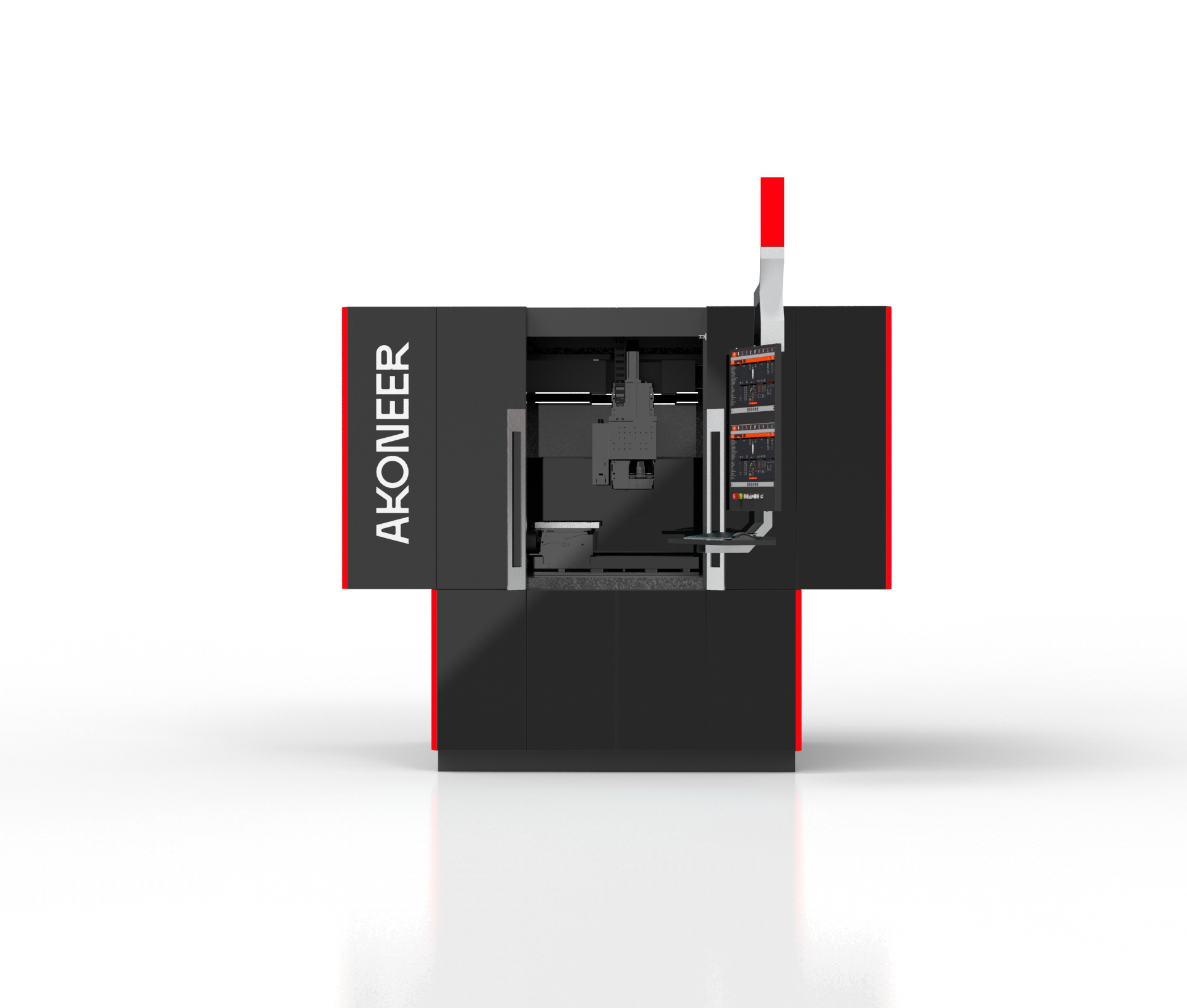
Laser engraved glass has become a prominent feature in various industries, offering aesthetic appeal and functional benefits. This technique uses a laser beam to etch intricate designs or text onto glass surfaces. The precision and versatility of laser engraving make it ideal for a wide range of applications, from personalized gifts to architectural elements. Understanding the process and benefits of laser engraved glass helps businesses and consumers make informed decisions.
The process of laser engraving on glass
Laser engraving on glass involves a focused laser beam that removes a thin layer from the surface, creating a frosted or etched appearance. The process starts with a design, often created using computer-aided design (CAD) software. This design is uploaded to a laser engraving machine, where it is meticulously etched onto the glass. The laser's intensity and speed, typically between 10-75% of the machine's power (2-6 kW), are carefully controlled to avoid cracking or breaking the glass, showcasing the precision of modern technology.
The type of glass impacts engraving quality. Tempered glass requires specific laser settings to prevent damage, while soda-lime glass is more forgiving. The choice of laser machine, whether CO2 or fiber laser, also affects the final result. CO2 lasers, which can achieve a repeatability of ±0.02 mm, are commonly used for glass due to their effectiveness with the material's properties.
Applications of laser engraved glass
Laser engraved glass has a wide range of applications across different sectors. In the corporate world, it is used to create awards and trophies featuring company logos and personalized messages, serving as symbols of achievement and recognition. For example, the company Crystal D uses laser engraved glass to produce over 50,000 awards annually, enhancing events with a touch of elegance.
In the consumer market, laser engraved glass creates customized gifts like wine glasses, photo frames, and decorative pieces, often commemorating special occasions with a unique and personal touch. The architectural industry utilizes laser engraved glass decoratively in buildings. From etched panels in office spaces to artistic installations in public areas, laser engraving adds visual interest and sophistication. The ability to create detailed patterns and images on a large scale makes it attractive for designers and architects.
Advantages of laser engraving on glass
One primary advantage of laser engraved glass is precision. The laser can produce intricate and detailed designs difficult to achieve with traditional methods. This precision allows for complex patterns and images that enhance the glass's aesthetic value. Laser engraving is a non-contact process, meaning the glass surface is not physically touched, reducing the risk of damage or wear and maintaining the glass's integrity. The process is also relatively fast, with cutting speeds reaching up to 30 meters per minute, allowing quick turnaround times in commercial settings.
Additionally, laser engraved glass is durable and resistant to fading; the etched designs do not wear off over time, making it ideal for indoor and outdoor applications. This durability ensures the engraved items remain visually appealing for many years.
Environmental considerations
Laser engraving is often seen as environmentally friendly. Unlike traditional methods that may produce waste material and require chemical treatments, laser engraving is clean and efficient. The process generates minimal waste, typically in the form of fine dust, which can be easily managed.
Furthermore, laser engraving machines consume relatively low amounts of energy compared to other manufacturing processes. This efficiency contributes to the sustainability of laser engraved glass, aligning with the growing demand for environmentally responsible practices in manufacturing.
Future trends in laser engraved glass
As technology advances, the capabilities of laser engraving machines are expected to expand. Innovations may lead to even greater precision and the ability to engrave on a wider variety of glass types. The integration of artificial intelligence and machine learning could further enhance the design process, allowing for more complex and creative engravings.
There is also potential for increased customization, with consumers designing and ordering engraved glass products online. This trend aligns with the growing popularity of personalized products, catering to individual tastes and preferences. In architecture, laser engraved glass may play a larger role in sustainable building practices. With its aesthetic appeal and durability, it could become a staple in eco-friendly construction, contributing to energy-efficient designs and innovative building solutions.
In summary, laser engraved glass offers a blend of artistic expression and practicality, making it a valuable asset across various industries. Its precision, durability, and environmental benefits highlight its potential for continued growth and innovation. As technology evolves, the possibilities for laser engraved glass are likely to expand, paving the way for new applications and creative opportunities.