Laser edge engraving
Laser edge engraving is a versatile technique used across various industries for detailed and efficient material processing.
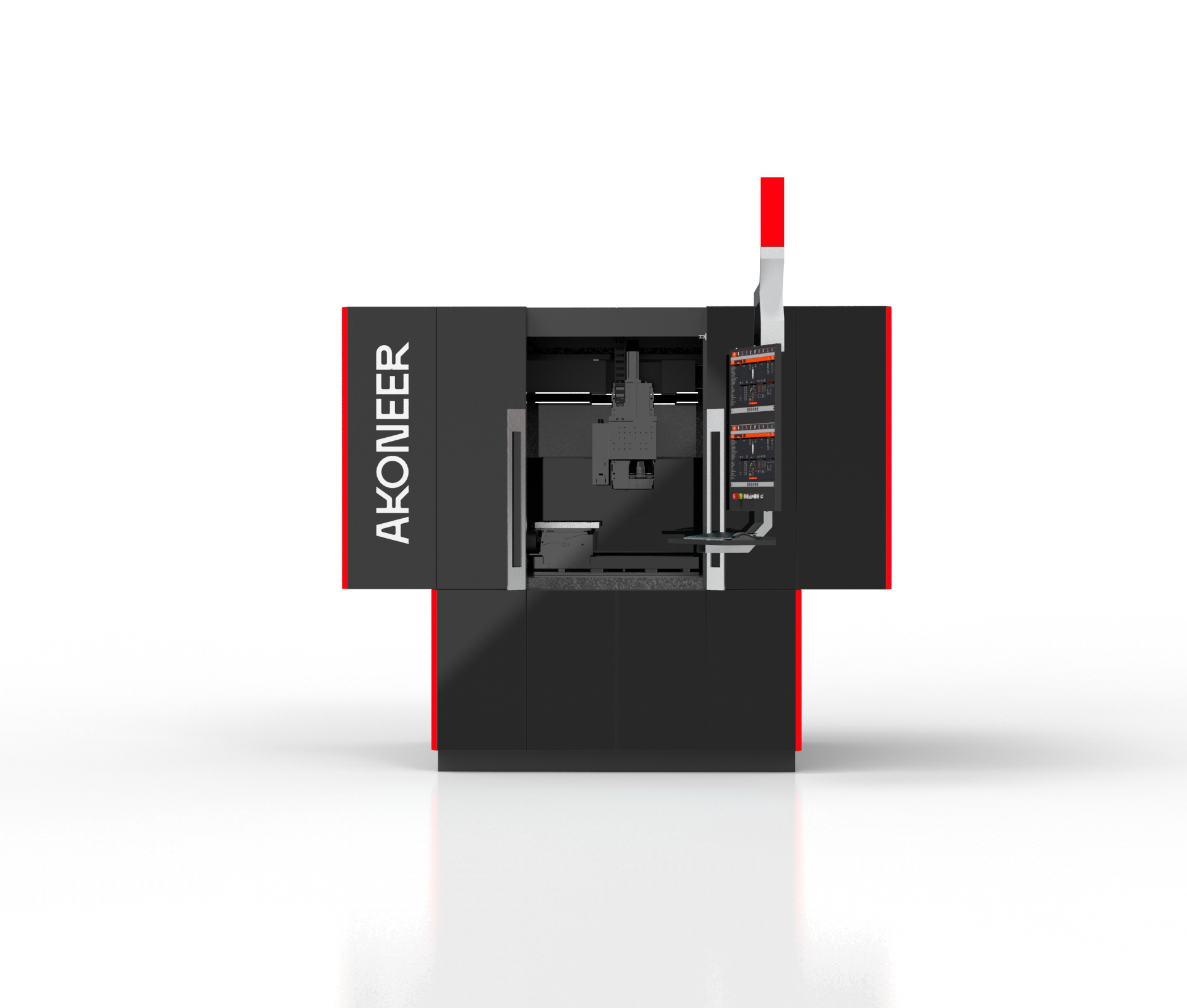
Laser edge engraving is a cutting-edge technique that has transformed material processing. With its precision and versatility, it finds applications across industries from manufacturing to art. This article explores the mechanics, diverse applications, benefits, considerations for choosing the right equipment, and the future prospects of laser edge engraving technology.
Understanding the mechanics of laser edge engraving
Laser edge engraving uses concentrated light beams to etch designs onto surfaces with remarkable precision. The process directs a laser beam at the material, which absorbs the light, causing vaporization or alteration of the surface. This enables the engraving of detailed patterns on materials like wood, metal, glass, and plastic. Precision is achieved through controllable laser intensity and focus, adjustable for different materials and design complexities. Typical laser systems have a repeatability of ±0.02 mm and can handle materials with a maximum thickness of 20 mm.
The technology involves key components such as the laser source, mirrors, and lenses that guide the beam to the target. CO2 lasers, fiber lasers, and diode lasers are commonly used, each offering distinct advantages based on the material. CO2 lasers suit non-metallic materials, while fiber lasers excel in engraving metals with their higher power density. Understanding these mechanics is crucial for selecting the right laser system for specific applications.
Applications across various industries
Laser edge engraving has become indispensable in numerous industries. In manufacturing, it creates precise markings, barcodes, and serial numbers on products, enhancing traceability and quality control. For instance, Apple uses laser engraving on its devices to add serial numbers, significantly improving inventory management. The automotive industry employs laser engraving for marking parts, ensuring compliance with safety standards. Similarly, the aerospace sector engraves critical information on components for identification and maintenance.
In consumer goods, laser edge engraving personalizes items like jewelry, electronics, and promotional products. Its ability to etch intricate designs on metal, glass, and plastic makes it ideal for custom gifts and branded merchandise. The fashion industry uses laser engraving to create unique textures and patterns on fabrics and leather, enabling innovative designs.
Artists and craftsmen embrace laser edge engraving to produce intricate artwork and sculptures. The precision and versatility of laser technology allow artists to experiment with diverse materials and create detailed designs previously challenging to achieve manually, opening new avenues for creative expression.
Benefits of laser edge engraving
The primary advantage of laser edge engraving is its precision. The technology allows extremely fine details to be engraved, crucial for applications requiring high accuracy, such as electronic components and medical devices. Laser engraving is contactless, minimizing damage risks to delicate materials, making it suitable for fragile objects like glass and thin metals without compromising structural integrity.
Laser edge engraving also offers exceptional efficiency and speed. The automated process reduces production times and labor costs, making it attractive for large-scale manufacturing. The flexibility of laser technology enables quick transitions between designs and materials, enhancing productivity in dynamic production environments. Typical cutting speeds can reach up to 30 meters per minute, significantly boosting throughput.
Choosing the right laser engraving equipment
Selecting appropriate laser equipment is crucial for optimal results. Factors to consider include the materials to be engraved, required precision, and production volume. For metal engraving, fiber lasers are preferred for their efficiency and ability to produce high-contrast marks. CO2 lasers are ideal for non-metallic materials like wood and acrylic.
It's important to consider the software compatibility of the laser system. Modern machines come with advanced software for easy design creation and modification. User-friendly interfaces and compatibility with popular design software streamline the engraving process and enhance productivity.
Future prospects of laser edge engraving
The future of laser edge engraving looks promising with ongoing advancements. Innovations in laser sources and beam delivery systems are expected to improve engraving speeds and precision. Integration of automation and artificial intelligence will likely enhance efficiency, enabling real-time adjustments and quality assurance.
As industries adopt sustainable practices, laser edge engraving offers an eco-friendly alternative to traditional methods. The reduced need for consumables and chemicals aligns with the growing emphasis on environmental responsibility.
In summary, laser edge engraving is a transformative technology with wide-ranging applications and significant benefits. Its precision, versatility, and efficiency make it essential across various industries. With continued advancements and adoption, laser edge engraving is poised to play a pivotal role in shaping the future of material processing and creative design.