Laser drilling medical devices
Laser drilling enhances medical device manufacturing by enabling intricate designs and improving functionality across a range of materials.
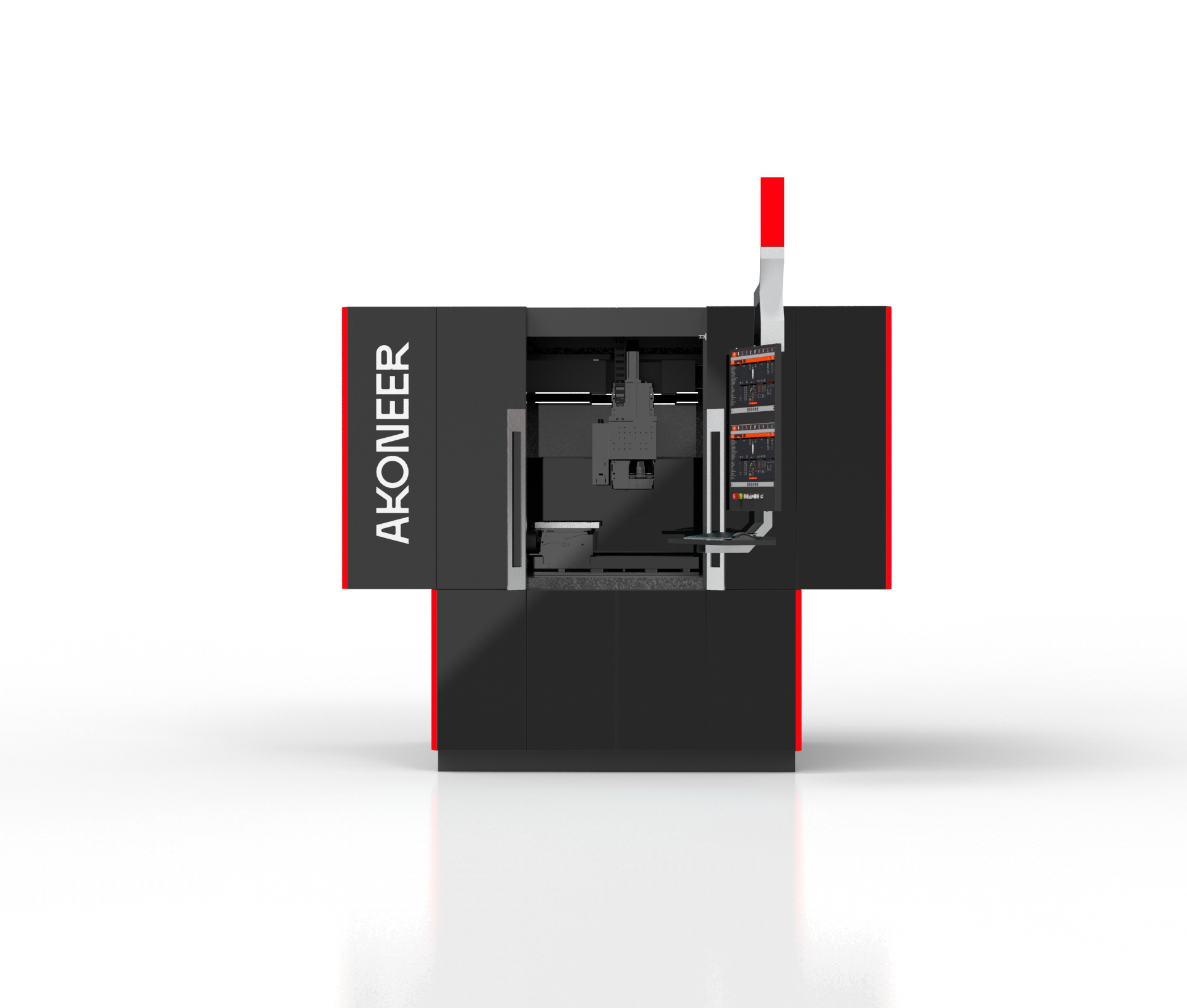
Lasers have transformed many industries with their precision and efficiency. In the medical field, laser drilling has become an essential technology in the manufacturing of medical devices. The ability to create precise, small holes in a variety of materials has led to significant advancements in medical device design and functionality. This article explores the applications, advantages, technological advancements, and future prospects of laser drilling in medical device manufacturing.
Applications of laser drilling in medical devices
Laser drilling plays a critical role in producing various medical devices. Catheters, stents, and drug delivery systems often require precise micro-drilling to function effectively. Catheters benefit from laser-drilled holes that enhance fluid dynamics, allowing more efficient delivery of medications or removal of fluids. Stents require micro-drilling to ensure flexibility and proper expansion within the body. Precision is crucial in these applications, as minor deviations can lead to device failure or complications in medical procedures.
The versatility of laser drilling extends to a wide range of materials, including metals, polymers, and ceramics. This capability is particularly important given the diverse material requirements of medical devices. For example, laser drilling can create precise micro-channels in drug delivery systems, ensuring consistent and reliable performance with tolerances as tight as ±0.02 mm.
Advantages of laser drilling
Laser drilling offers numerous advantages over traditional mechanical methods. The most notable benefit is precision; laser drilling can achieve hole diameters as small as a few micrometers. This precision ensures that medical devices function as intended, enhancing patient safety and treatment efficacy.
Speed is another significant advantage. Laser drilling processes are typically faster than mechanical drilling, with cutting speeds reaching up to 30 meters per minute, reducing production time and costs. In the medical device industry, where high-quality devices are in constant demand, this efficiency is crucial.
Additionally, laser drilling is a non-contact process, minimizing the risk of contamination. In the medical field, where sterility is paramount, this is critical. The non-contact nature also reduces wear and tear on equipment, leading to longer tool life and reduced maintenance costs.
Technological advancements in laser drilling
Recent advancements in laser technology have further enhanced the capabilities of laser drilling in medical device manufacturing. Ultrafast lasers have become increasingly popular due to their ability to drill with even greater precision and minimal thermal damage. Operating on extremely short pulse durations, they reduce the heat-affected zone, preventing material distortion.
The integration of computer-aided design (CAD) and computer-aided manufacturing (CAM) systems with laser drilling equipment allows for more complex designs and greater control over the drilling process. This results in improved accuracy and repeatability, ensuring devices meet stringent quality standards.
Advances in automation have led to fully automated laser drilling systems. These systems can operate continuously with minimal human intervention, increasing production efficiency and reducing potential human error. Automation also facilitates data collection and analysis, enabling manufacturers to optimize processes and improve product quality. For example, Coherent Inc. implemented an automated laser drilling system that increased production efficiency by 30% while reducing defect rates.
Challenges and considerations
Despite its advantages, laser drilling in medical device manufacturing faces challenges. One major consideration is the initial cost of laser drilling equipment, ranging from $100,000 to $500,000. However, the long-term benefits, including reduced production time and increased precision, often outweigh the initial investment.
Material considerations also play a role. Different materials respond differently to laser energy, requiring careful selection of laser parameters to achieve desired results. Manufacturers must conduct thorough testing to ensure compatibility and effectiveness.
Regulatory compliance is critical in medical device manufacturing. Laser drilling processes must adhere to strict standards set by regulatory bodies to ensure safety and efficacy. This requires ongoing monitoring and validation of processes, adding complexity and cost to manufacturing.
Future prospects
The future of laser drilling in medical device manufacturing looks promising, with ongoing research and development poised to expand its applications further. As laser technology continues to advance, we can expect even greater precision, speed, and versatility in drilling processes. This will likely lead to the development of new medical devices with enhanced capabilities and improved patient outcomes.
One area of potential growth is in the production of implantable devices. As personalized medicine gains traction, the demand for custom-fit implants is expected to rise. Laser drilling, with its ability to create intricate and precise structures, is well-suited to meet this demand.
The integration of artificial intelligence and machine learning into laser drilling processes holds the potential to revolutionize medical device manufacturing. These technologies can enable predictive maintenance, process optimization, and quality control, further enhancing efficiency and product quality.
In summary, laser drilling is an indispensable technology in the manufacturing of medical devices. Its precision, speed, and versatility have made it a preferred choice for creating complex and intricate structures. With ongoing advancements and growing demand for high-quality medical devices, laser drilling is set to play an increasingly important role in the future of the medical field.