Laser drilling machine
Laser drilling machines transform manufacturing by efficiently creating holes in diverse materials, benefiting industries from aerospace to electronics.
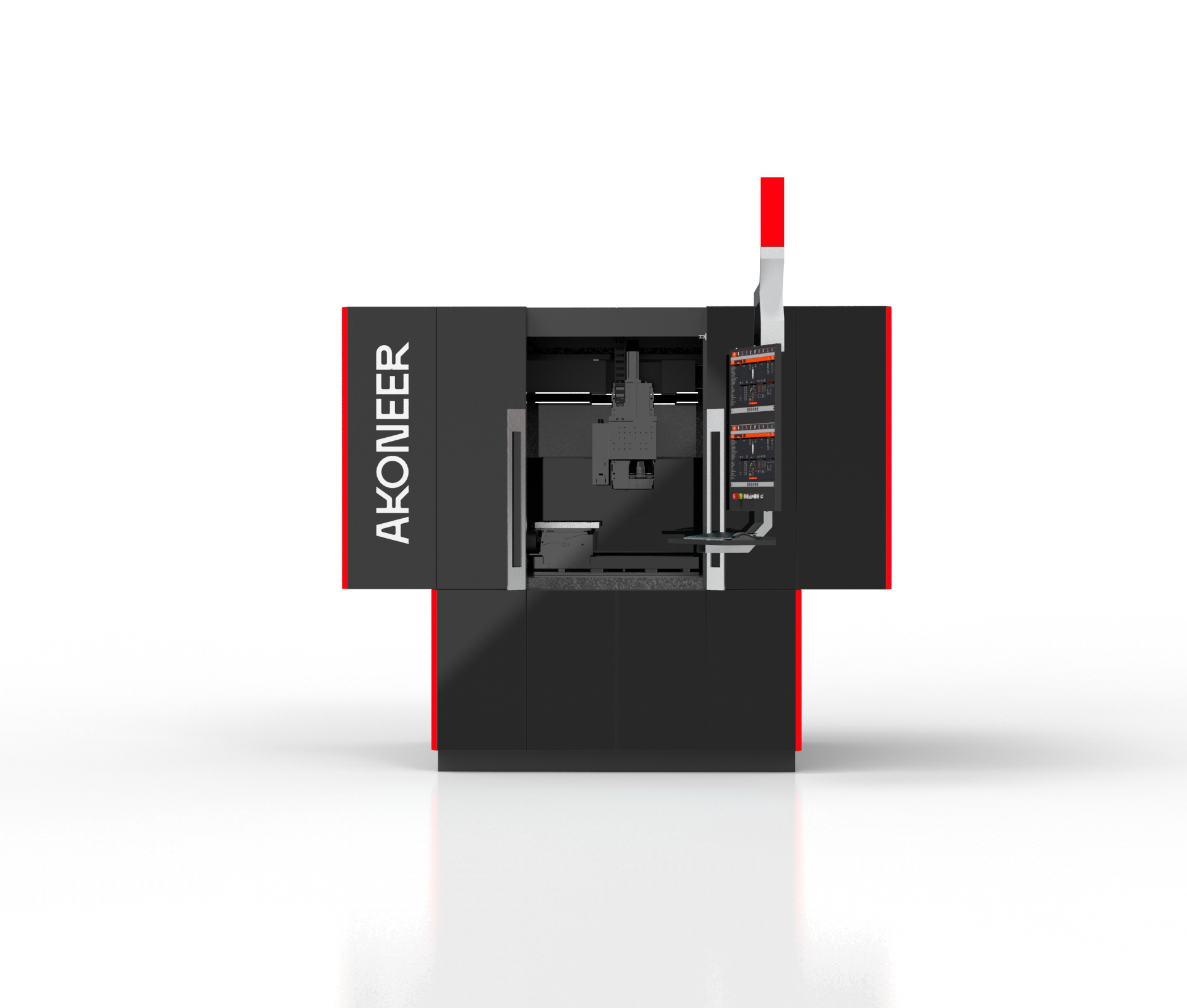
Laser drilling machines are at the forefront of manufacturing technologies, offering precision and efficiency that traditional methods struggle to match. These machines use highly focused laser beams to create holes in a variety of materials, providing an essential tool in industries ranging from aerospace to electronics. Understanding the capabilities and applications of laser drilling machines is key for businesses looking to enhance their manufacturing processes.
Principles of laser drilling
Laser drilling converts light energy into heat energy to penetrate materials. The process starts when a concentrated laser beam targets a specific point on the material. The intensity of the light causes rapid heating, melting, or vaporizing the material to create a hole. The precision of this process is greatly influenced by the laser's wavelength, pulse duration, and the material's properties.
There are generally two types of laser drilling: percussion and trepanning. Percussion drilling involves repeatedly pulsing the laser to drill a hole, while trepanning uses a continuous beam, moving the laser in a circular motion to cut the material. Each method has its advantages and is selected based on task requirements. The choice between continuous wave lasers and pulsed lasers is likewise dictated by the specific application; pulsed lasers often produce cleaner cuts and less thermal damage.
Applications across industries
One major advantage of laser drilling machines is their versatility. In aerospace, they're used to produce cooling holes in turbine blades, essential for managing extreme temperatures during flight. The electronics industry utilizes laser drilling for precise creation of microvias in printed circuit boards, crucial for miniaturizing electronic devices.
In the automotive sector, laser drilling creates precise holes in fuel injectors, enhancing combustion engine efficiency. The medical field benefits from laser drilling, particularly in manufacturing medical devices where precision and cleanliness are paramount. For example, Siemens employs laser drilling with high precision to produce cooling holes in gas turbine blades, improving engine efficiency by 1-2%.
Advantages over traditional drilling methods
Laser drilling machines offer significant advantages over traditional techniques. First, they provide unmatched precision, drilling holes with diameters as small as a few micrometers and repeatability of ±0.02 mm. This precision reduces the need for secondary processing, ensuring components fit as intended.
The process is also faster, especially with hard or brittle materials, leading to increased productivity and reduced manufacturing times. Laser drilling is a non-contact process, meaning there's no physical wear on drill bits or risk of mechanical stress to the material. This results in longer equipment life and fewer maintenance requirements. Furthermore, the non-contact nature allows use on fragile materials that might be damaged by traditional techniques.
Challenges and considerations
Despite the benefits, challenges exist. The initial cost of laser drilling equipment can be high, though it's often offset by long-term savings in maintenance and efficiency. Thermal damage is another concern; while generally less damaging, the intense heat can cause microcracking or alter material properties. Proper calibration and control of laser parameters are essential to mitigate these risks.
Material reflectivity can also pose challenges. Highly reflective materials may require more powerful lasers or specialized coatings for effective drilling. In these cases, the choice of laser type and wavelength is critical to achieving desired results.
Future prospects and innovations
The future of laser drilling machines is promising, with ongoing advancements in laser technology and material science. Emerging technologies like ultrafast lasers minimize thermal damage, pushing the boundaries of what's possible. These innovations pave the way for more complex applications, such as in composite materials and nanotechnology production.
Integrating artificial intelligence and machine learning into laser drilling processes is another development area. These technologies can optimize drilling parameters in real-time, improving accuracy and efficiency. As industries demand higher precision and speed, laser drilling machines' role in manufacturing is set to expand further.
In summary, laser drilling machines represent a powerful tool in modern manufacturing. Their precision, speed, and versatility make them indispensable across various industries. While challenges exist, ongoing technological advancements promise to enhance their capabilities and broaden their applicability. Understanding these machines' principles, applications, and potential is crucial for businesses seeking to maintain a competitive edge in the ever-evolving landscape of manufacturing technology.