Laser drilling diamond
Laser drilling in diamonds combines advanced technology with the gemstone's natural hardness, enhancing clarity and value across various industries.
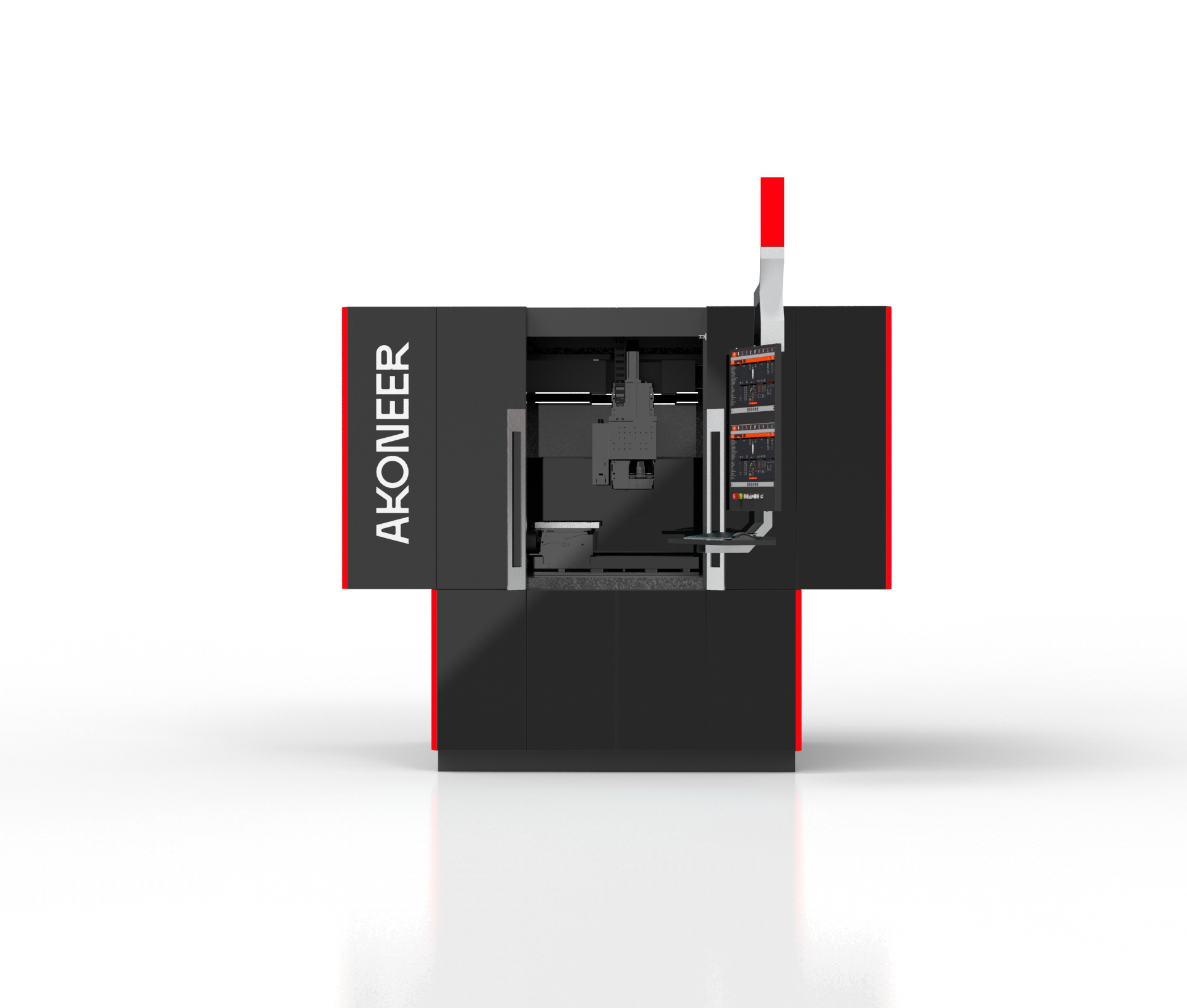
The world of laser technology is vast and varied, finding applications in industries ranging from medicine to manufacturing. One of the most fascinating applications is laser drilling in diamonds. This process combines the precision of laser technology with the unrivaled hardness of diamonds to create products of remarkable quality. Understanding how laser drilling works, its benefits, and its implications for different industries is crucial for anyone interested in modern manufacturing techniques.
The process of laser drilling
Laser drilling uses high-powered laser beams to create small holes in materials. When applied to diamonds, this technique allows for the precise removal of inclusions—small imperfections that can affect the clarity and value of the gemstone. The process begins with the identification of inclusions under magnification. Once located, a controlled laser beam, typically in the 2–6 kW range, is directed at the diamond to create a tiny tunnel, approximately 0.1 mm in diameter, from the surface to the inclusion. This tunnel allows for the introduction of a special solution that dissolves the inclusion or alters its appearance, thereby improving the diamond's clarity.
The precision of laser technology ensures that the surrounding structure of the diamond remains undisturbed. The lasers are finely tuned to target only specific areas, minimizing the risk of damage to the rest of the stone. This method benefits diamonds that might otherwise be less desirable due to visible flaws.
Benefits of laser drilling in diamond processing
Laser drilling can significantly enhance the aesthetic quality of diamonds without compromising their structural integrity. By reducing the visibility of inclusions, laser drilling can increase a diamond's value. This process is particularly beneficial for diamonds with significant inclusions, transforming them into more appealing and marketable stones.
The technique is also time-efficient. Traditional methods of improving diamond clarity, like manual cutting or polishing, can be labor-intensive and require significant skill and time. In contrast, laser drilling completes relatively quickly, allowing manufacturers to enhance large volumes of diamonds in a shorter timeframe.
Additionally, laser drilling is a non-invasive technique. Unlike mechanical methods that require physical contact and pressure, lasers work without touching the diamond, reducing the risk of accidental damage. This makes it a safer option for handling valuable gemstones. Notably, the company Gemesis leverages laser technology to process synthetic diamonds, achieving a 30% increase in production efficiency, which underscores the commercial benefit of this technique.
Applications across industries
Beyond the jewelry industry, laser drilling in diamonds has applications in various fields. In the industrial sector, diamonds are used as components for tools and equipment due to their hardness and durability. Laser drilling enhances these industrial diamonds, making them more efficient for cutting, grinding, and drilling purposes.
In the scientific community, synthetic diamonds are often employed in high-precision instruments and experiments. Laser drilling customizes these diamonds for specific research needs, such as creating microchannels for fluid dynamics studies or optical pathways for laser experiments.
Moreover, the electronics industry can benefit from laser drilling in diamonds. Diamonds have exceptional thermal conductivity properties, making them suitable for high-performance electronic devices. Laser drilling creates pathways and channels for heat dissipation, improving the efficiency of electronic components.
Challenges and considerations
While laser drilling offers numerous advantages, there are challenges and considerations to keep in mind. The process requires precise control to avoid over-drilling or causing thermal damage to the diamond. Operators must be skilled in using laser equipment and understand diamond properties to ensure successful outcomes.
Furthermore, laser drilling can affect diamond classification. Some industry standards require that laser-drilled diamonds be disclosed to buyers, as the process is considered an enhancement. This transparency is important for maintaining trust and integrity in the gemstone market.
It is also important to consider the environmental implications of using laser technology. While the process is relatively clean compared to traditional methods, the energy consumption required for high-powered lasers can be significant. Manufacturers must balance the benefits of laser drilling with sustainable practices to minimize their environmental footprint.
The future of laser drilling in diamond processing
Advancements in laser technology continue to drive the evolution of diamond processing. As lasers become more precise and efficient, the potential for laser drilling in diamonds will expand. Researchers are exploring new wavelengths and techniques to improve the accuracy and speed of the process and reduce energy consumption.
The integration of automation and artificial intelligence in laser systems is another area of development. Automated systems can enhance the consistency and reliability of laser drilling, reducing the margin for error and increasing throughput. AI algorithms can assist in identifying inclusions and optimizing drilling patterns, further streamlining the process.
As the demand for high-quality diamonds grows, laser drilling will remain a valuable tool for manufacturers. Its ability to improve the appearance and functionality of diamonds makes it an indispensable technique in both the jewelry and industrial sectors. By embracing innovation and addressing challenges, the future of laser drilling in diamond processing looks promising.