Laser drilling
Laser drilling is a vital technology in modern manufacturing, enabling the creation of clean, accurate holes across a variety of materials and industries.
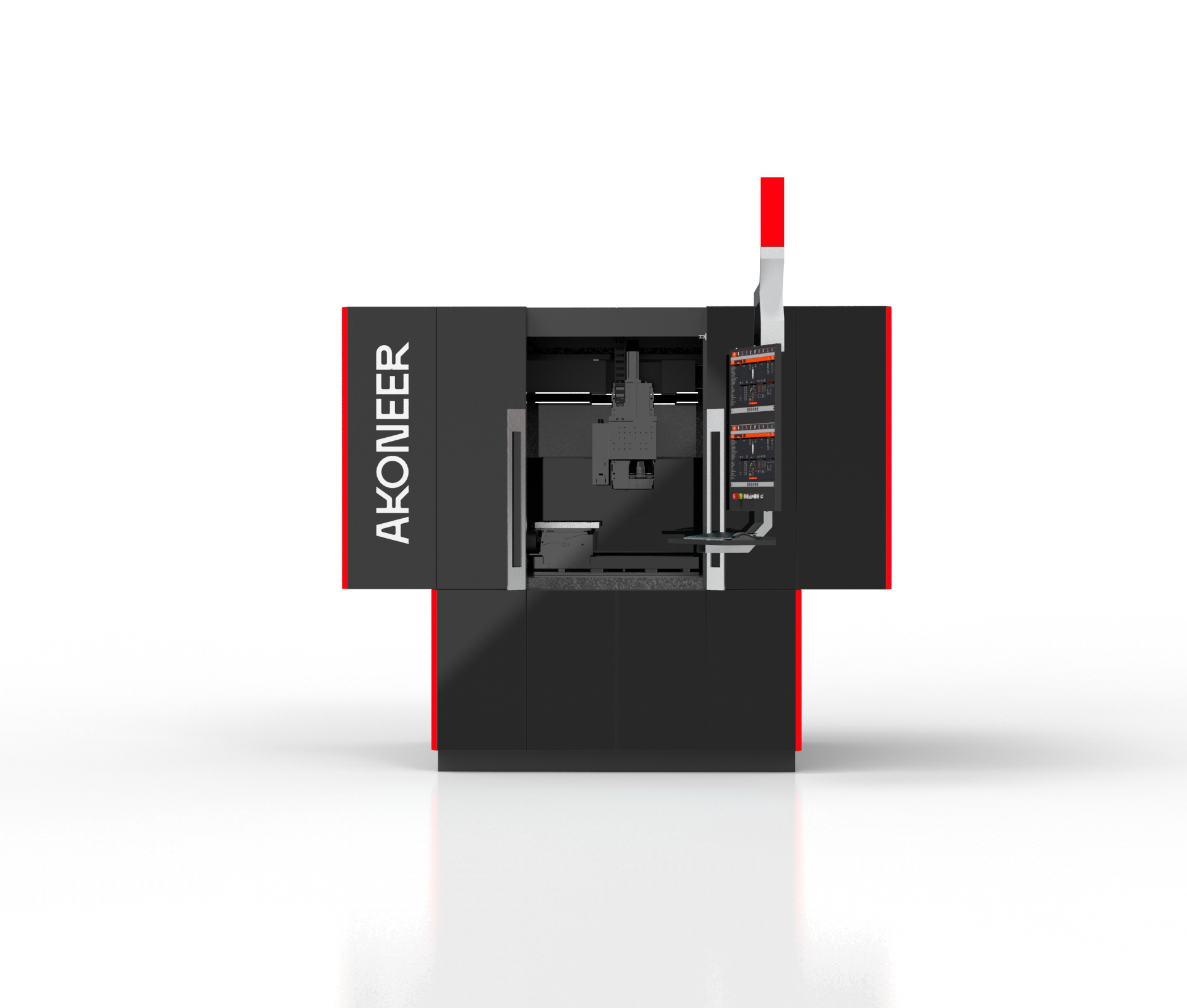
Laser drilling utilizes lasers to penetrate materials with high precision, making it a sophisticated and invaluable technology in modern manufacturing and engineering processes. This method's ability to create clean, accurate holes in various materials has led to its widespread adoption across industries.
By focusing a high-energy laser beam, typically in the range of 2–6 kW, onto a specific spot, laser drilling causes localized melting and vaporization, effectively forming a hole. The process can be finely controlled to produce holes of varying diameters and depths, with repeatability as precise as ±0.02 mm. Its non-contact nature minimizes physical stress and damage to materials, such as metals, ceramics, polymers, and composites.
Aerospace applications
In aerospace, laser drilling is essential for manufacturing components that demand extreme precision and reliability. For instance, turbine blades often require cooling holes drilled with lasers to manage the intense heat generated during flight. The precision of laser drilling ensures that each hole is identical, enhancing engine efficiency and safety.
Electronics industry
The electronics industry benefits significantly from laser drilling, especially in the production of printed circuit boards (PCBs). Microvias, small holes that connect different board layers, require precision that traditional mechanical drilling struggles to achieve. Laser drilling excels in this domain, enabling smaller, more efficient electronic devices.
Medical field
In the medical field, laser drilling is critical for manufacturing devices like surgical instruments, implants, and diagnostic equipment, which often require precise holes and features. The accuracy of laser drilling meets stringent industry standards, maintaining the biocompatibility and functionality of medical devices by avoiding contaminants and excess heat.
Automotive manufacturing
Automotive manufacturing also leverages laser drilling for producing fuel injection nozzles, airbag components, and other critical parts. The industry demands fast production cycles and cost efficiency, both supported by the speed and accuracy of laser drilling, which can achieve cutting speeds of up to 30 m min⁻¹.
One real-world example is Lockheed Martin's use of laser drilling in the F-35 Lightning II project. The precision drilling of cooling holes in the aircraft's engine components has significantly improved thermal management, contributing to enhanced performance and safety.
Challenges and future prospects
Despite its advantages, laser drilling does present challenges. The initial setup and calibration of laser systems can be complex, requiring skilled operators and well-maintained equipment. Additionally, the cost of laser equipment can be a barrier for smaller manufacturers, although the long-term benefits often justify the investment. Careful management of thermal effects is essential to prevent material property alterations.
The future of laser drilling looks promising with advancements in laser sources, such as ultrafast and fiber lasers, expanding its applications. These innovations are expected to reduce costs and improve drilling efficiency. Research and development focus on increasing automation and integration with other manufacturing processes. As factories embrace Industry 4.0, incorporating laser drilling into automated systems will likely lead to even greater precision, speed, and cost-effectiveness.
Laser drilling represents a critical technology underpinning modern manufacturing processes. Its precision, versatility, and efficiency make it an invaluable tool across industries. As technology evolves, laser drilling is poised to play an increasingly significant role in manufacturing, driving innovation and enhancing modern engineering capabilities.