Laser depth marking
Laser depth marking enables permanent, detailed engravings on diverse materials, benefiting industries from aerospace to electronics through non-contact, efficient techniques.
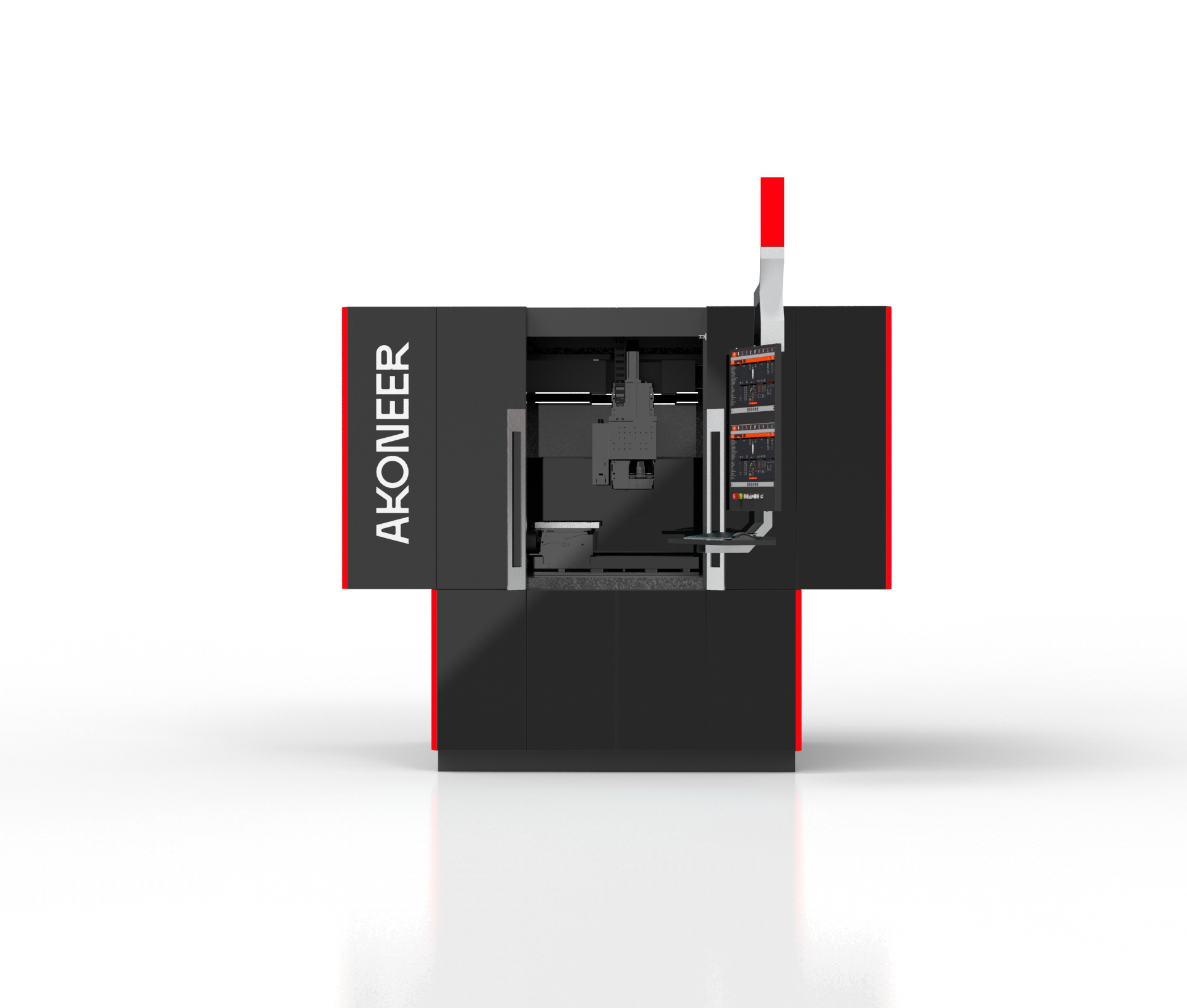
Laser depth marking is a precise and efficient technique used in various industries to create permanent marks on materials by engraving at a controlled depth. This method involves using a focused laser beam to remove material at specific points, allowing for intricate designs, text, or functional marks that resist wear and environmental factors.
Understanding the basics of laser depth marking
Laser depth marking relies on laser material interaction principles. The process begins with a focused laser beam directed onto a material's surface. The material absorbs the laser energy, heats up, and vaporizes, leaving a mark. The mark's depth is controlled by adjusting laser power (typically 20–100 W for fiber lasers), speed, and the number of passes. This precise control allows for marks ranging from shallow engravings to deeper grooves.
This method can be applied to metals, plastics, ceramics, and some organic materials. Its versatility makes laser depth marking popular in aerospace, automotive, medical devices, and electronics industries.
Technological advancements in laser depth marking
Recent advancements in laser technology have significantly enhanced laser depth marking capabilities. Innovations like fiber lasers, CO2 lasers, and ultraviolet lasers have expanded the range of materials that can be effectively marked. Fiber lasers, for example, excel at producing high-quality marks on metals, while CO2 lasers are better suited for non-metallic materials like wood and glass.
Computer numerical control (CNC) systems have further improved the precision and repeatability of laser depth marking. By integrating advanced software, manufacturers can produce complex designs with consistent depth and accuracy. In the medical device industry, for instance, Stryker Corporation uses laser depth marking to ensure the sterility and legibility of critical component markings, reducing the risk of errors.
Applications across various industries
Laser depth marking has various industry applications. In automotive manufacturing, it marks parts with serial numbers, logos, and other identifiers, ensuring traceability and regulatory compliance. The aerospace sector uses it for labeling critical components, where durability and resistance to environmental factors are essential.
The medical device industry benefits from creating sterile and permanent markings on surgical instruments and implants. Laser depth marking ensures these marks remain legible and do not compromise device integrity. In electronics, the technique marks circuit boards and components with identifying information, aiding efficient assembly and maintenance.
Advantages of laser depth marking
One primary advantage of laser depth marking is its non-contact nature. Unlike traditional methods, it requires no physical contact with the material, reducing the risk of damage or deformation, particularly beneficial for delicate or thin materials.
The process is also highly efficient, capable of marking multiple items quickly and accurately. This efficiency translates to cost savings, as it reduces the time and labor required for marking operations. Additionally, laser depth marking is environmentally friendly, involving no inks or chemicals that could pose disposal challenges.
Challenges and considerations
Despite its advantages, laser depth marking presents challenges. The initial investment in laser equipment can be significant, potentially prohibitive for smaller operations. However, long-term benefits in efficiency and versatility often justify the expense.
Careful consideration must also be given to the material being marked. Different materials respond variably to laser energy, and achieving the desired depth and quality requires precise calibration of laser parameters. Operators need a thorough understanding of material properties and laser system capabilities to achieve optimal results.
Future trends in laser depth marking
The future of laser depth marking will likely be shaped by ongoing technological advancements. Developments in laser sources and control systems will continue enhancing this technique's precision and versatility. As industries demand high-quality and durable markings, laser depth marking is expected to play a more critical role.
Moreover, as environmental and regulatory pressures mount, the eco-friendly nature of laser marking will appeal to manufacturers looking to minimize their environmental footprint. The integration of artificial intelligence and machine learning could further optimize the marking process, enabling real-time adjustments and improved quality control.
Laser depth marking represents a fusion of precision, efficiency, and versatility. As technology evolves, this method will continue offering innovative solutions to marking challenges across various industries.